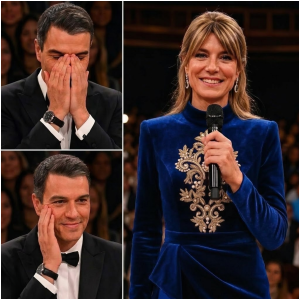
JIMMY KIMMEL AND ROBERT DE NIRO HUMILIATE TRUMP ON LIVE TV AS COMEDY TURNS INTO DEFIANCE
Jimmy Kimmel’s return to late-night television in September 2025 was never going to be ordinary, but few expected it to become one of the most watched and politically charged moments in modern TV history. After being temporarily silenced amid government pressure, Kimmel came back with a clear message: intimidation would not work. What followed was not just comedy, but a live confrontation with power that immediately went viral.
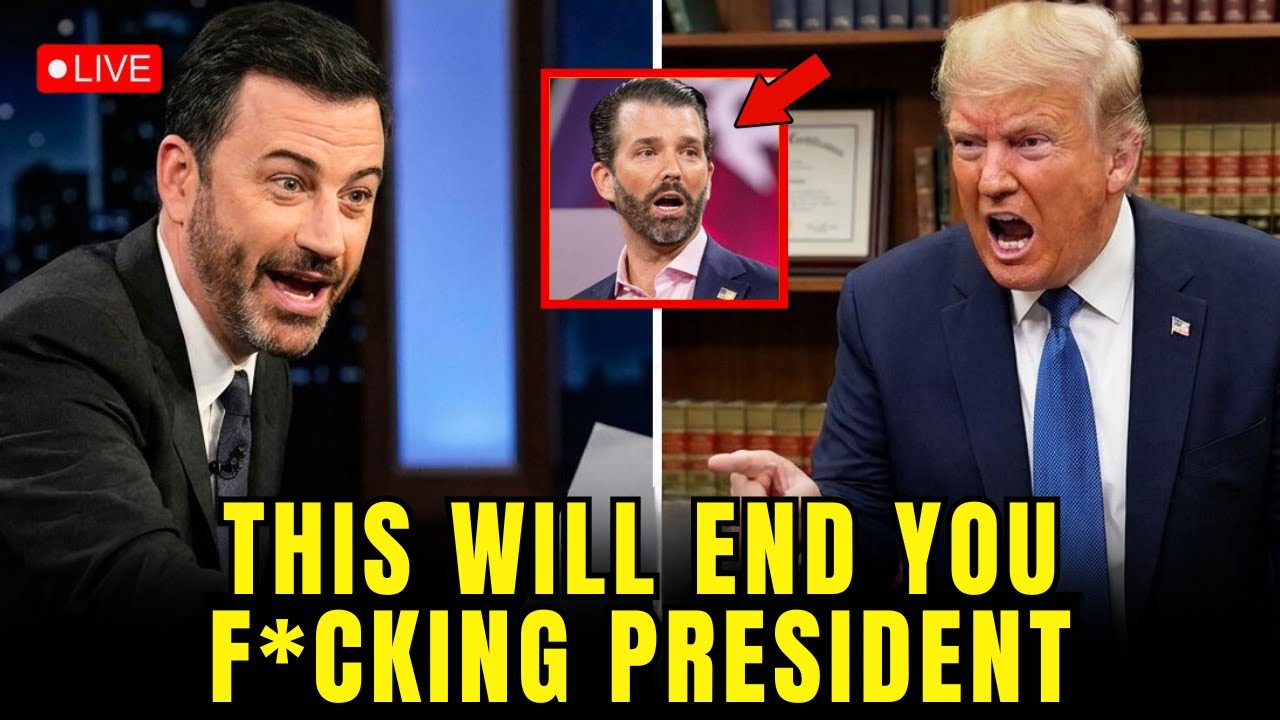
Kimmel did not stand alone. Robert De Niro joined him on stage, not as a casual guest, but as a symbol. Speaking from the heart about New York City, democracy, and the dangers of unchecked power, De Niro framed the moment as a choice between fear and resistance. His words cut sharply, accusing Donald Trump of threatening not only institutions, but the social fabric that holds the country together.
The segment escalated when De Niro appeared in a satirical role that mirrored a mob boss version of a federal regulator, exposing how authoritarian pressure works in practice. The humor was dark, deliberate, and unmistakable. Laughter filled the studio, but the underlying message was serious: when leaders punish criticism and reward loyalty, democracy erodes quietly, one warning at a time.
Trump responded in the way audiences have come to expect—through insults. He mocked De Niro’s intelligence, questioned his relevance, and celebrated Kimmel’s temporary removal from the air as a personal victory. But the numbers told a different story. The episode shattered records, drawing more than 26 million viewers across platforms and becoming the most-watched broadcast in Jimmy Kimmel Live history.

Context made the moment even more explosive. Days earlier, Kimmel had criticized the politicization of violence and misinformation. Shortly after, Trump-aligned officials publicly threatened ABC and Disney. The show was pulled for nearly a week. When Kimmel returned, the timing made the message impossible to ignore. This was not coincidence. It looked like punishment for dissent.
By placing De Niro at the center of the comeback, Kimmel turned satire into a mirror. The performance showed how intimidation rarely arrives as an explicit order. It arrives as pressure, hints, and consequences. Praise the leader and nothing happens. Question him and suddenly careers, platforms, and livelihoods are at risk. The audience laughed because the truth was unmistakable.
Media reaction was swift. Major outlets called the episode extraordinary, noting that it succeeded without the usual ratings boosts or promotional safety nets. The viral spread happened organically, driven by viewers who saw the moment as bigger than entertainment. It felt like a line had been crossed—and then challenged—on live television.
In the end, the humiliation was not about insults or name-calling. It was about contrast. Trump shouted from the sidelines while two public figures stood calmly under the lights and refused to back down. Comedy became resistance, silence was broken, and the attempt to intimidate backfired. That night reminded millions that democracy does not collapse all at once—it is defended, moment by moment, by those willing to speak when it is risky to do so.