Polling and economic pressures increase scrutiny on Luxon leadership
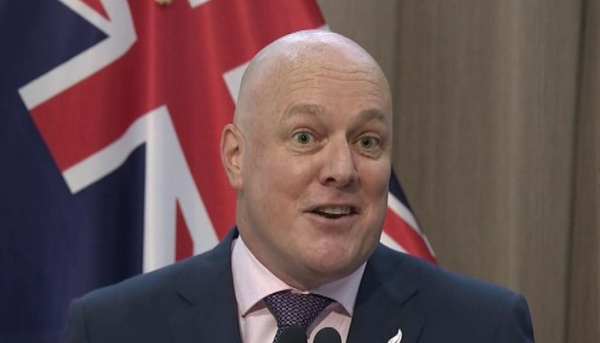
Prime Minister Christopher Luxon is facing growing political scrutiny as debate intensifies over affordability, public services, and economic management ahead of the next general election. Political analysts say recent polling trends and ongoing cost-of-living concerns have increased attention on the Government’s leadership and broader policy direction.
The coalition Government continues defending its economic programme and argues that current reforms are necessary to strengthen long-term stability and business confidence. Ministers say fiscal discipline, infrastructure investment, and public sector reform remain central to the Government’s strategy for supporting economic growth and improving public services.


Opposition leader Chris Hipkins and Labour MPs have intensified criticism of the Government’s handling of affordability concerns, healthcare pressures, and housing issues. Labour argues that many households continue facing financial strain despite Government assurances that economic conditions are gradually improving.
Political commentators note that polling fluctuations often attract increased media and political attention during election-focused periods. Analysts say voter sentiment can shift quickly depending on economic conditions, leadership performance, policy announcements, and campaign strategy.
Luxon has argued that the Government inherited difficult economic circumstances and says reforms currently underway require time before broader improvements become fully visible. Coalition ministers maintain that stable policy settings are essential for encouraging investment and long-term economic resilience.
Affordability remains one of the most significant political issues shaping public discussion. Rising living costs involving groceries, rent, mortgage repayments, healthcare access, and transport expenses continue influencing voter attitudes across different demographic groups and regions.
Healthcare has also become a major area of political disagreement between Government and Opposition. Labour says stronger investment and workforce planning are required to address service pressure, while ministers point to ongoing reforms and funding initiatives intended to improve outcomes gradually.
Housing affordability continues generating political debate throughout Parliament. Opposition parties argue that renters and first-home buyers remain under considerable pressure, while the Government maintains that planning reforms and infrastructure investment are expected to improve housing supply over time.
Political scientists suggest leadership perception may become increasingly important as campaign activity intensifies. Luxon is attempting to project stability and economic competence while opposition parties seek to challenge confidence in the coalition’s broader policy direction.
Public polling indicates a competitive political environment, although analysts caution that support levels can change significantly throughout election campaigns. Broader perceptions involving trust, economic credibility, and leadership communication often influence political momentum.

The Government has continued emphasising economic discipline and policy consistency as central components of its political message. Ministers argue that rapid increases in spending or major policy reversals could weaken confidence and create additional long-term financial pressure.
Labour representatives say the coalition has not moved quickly enough to improve conditions for households facing ongoing affordability challenges. Hipkins has increasingly focused Labour’s campaign messaging around living standards, healthcare access, wages, and public service delivery.
Business organisations continue closely monitoring political and economic developments ahead of the election. Industry groups remain focused on productivity growth, infrastructure planning, workforce development, tax settings, and regulatory certainty during an increasingly competitive political environment.
Economists note that New Zealand’s economic outlook continues to be shaped by broader international conditions involving inflation, interest rates, trade patterns, and geopolitical uncertainty. Analysts say external developments may influence both government performance and public expectations.
Media scrutiny surrounding Luxon’s leadership has increased alongside wider attention to polling trends and election strategy. Political commentators note that campaign narratives are often shaped by perceptions of confidence, competence, and momentum rather than individual policy announcements alone.
Questions remain regarding whether the Government can strengthen voter confidence before the election campaign reaches its most intense stage. Analysts suggest economic conditions and public perceptions regarding affordability may continue playing a major role in shaping political discussion.
The coalition continues arguing that long-term reform and careful fiscal management remain necessary despite political criticism and polling pressure. Ministers say the Government is focused on achieving sustainable improvements rather than responding to short-term political fluctuations.
Labour believes dissatisfaction regarding living standards and public services creates opportunities to challenge the Government more aggressively. Hipkins and senior Labour MPs are expected to continue emphasising affordability and economic pressure throughout the campaign period.
Political analysts note that elections are often determined by broader perceptions involving leadership trust, competence, and future direction rather than a single political issue alone. Leadership credibility may therefore become increasingly important as campaigning intensifies.
Ultimately, growing scrutiny surrounding Luxon’s leadership reflects the increasingly competitive and uncertain political environment ahead of the next election. As debate over affordability, public services, and economic management continues, both Government and Opposition are likely to face sustained public examination regarding their competing visions for New Zealand’s future.