Mark Carney’s European Gambit: The Quiet Strategy Reshaping Canada’s Future
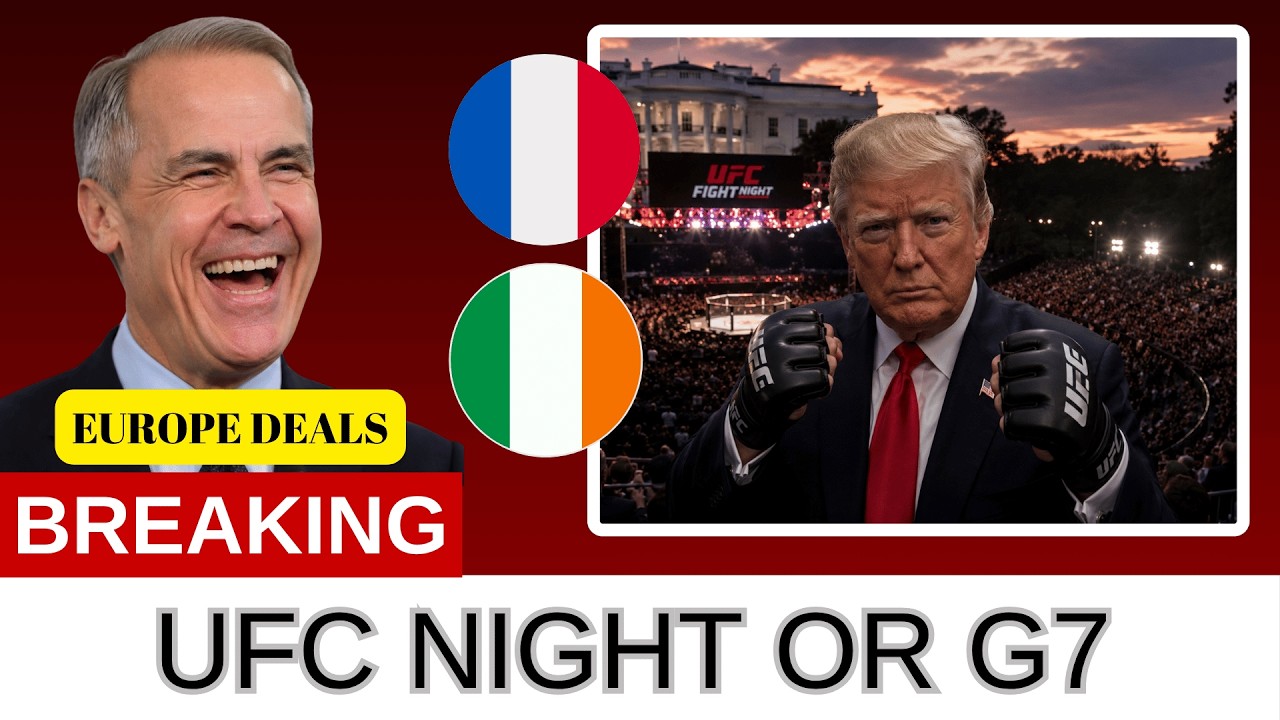
While much of the world remains focused on the Middle East, energy shocks, and escalating geopolitical tensions, a quieter story is unfolding across Europe. It begins with a plane leaving Ottawa.
This week, Prime Minister Mark Carney travels first to Paris, then Dublin, before arriving at the G7 Summit in France. On the surface, it looks like routine diplomacy.
In reality, it may be one of the most important foreign policy trips Canada has undertaken in years.
Most headlines will focus on the summit itself. Cameras will capture handshakes, family photos, and carefully scripted speeches.
But the real story begins before the summit even starts.
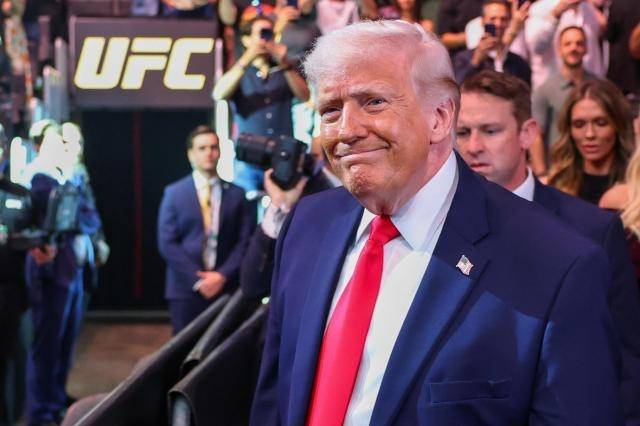
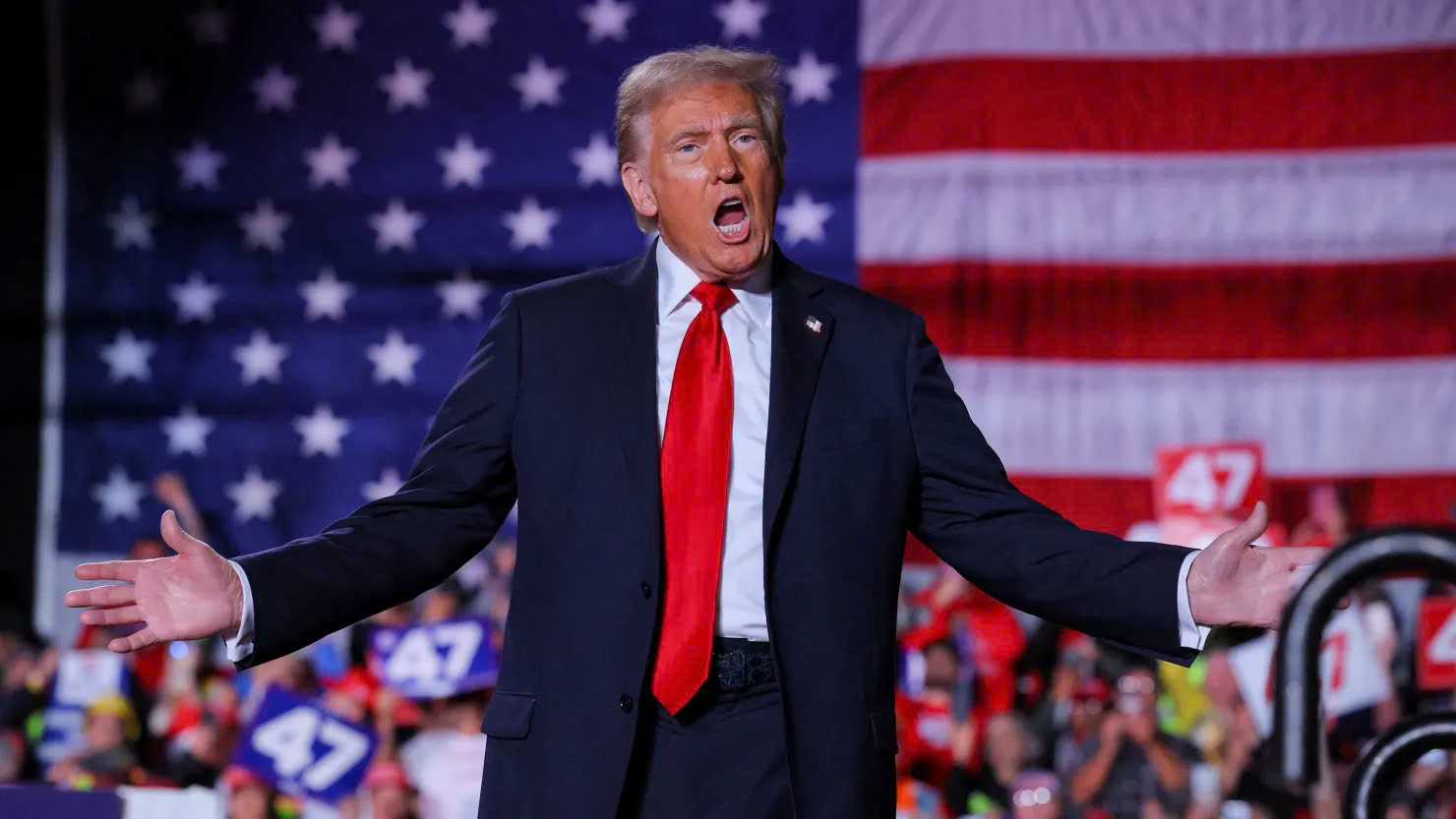
The G7 gathering was unexpectedly delayed after the White House announced a major event coinciding with Flag Day and President Donald Trump’s birthday celebrations.
That unusual scheduling change highlights a broader reality facing America’s allies today.
Increasingly, international leaders are finding themselves adapting to political uncertainty coming from Washington rather than coordinating around shared priorities.
For Canada, this presents both a challenge and an opportunity.
Carney appears to have concluded that waiting for stability from the United States is no longer a strategy.
Instead, he is building alternatives.
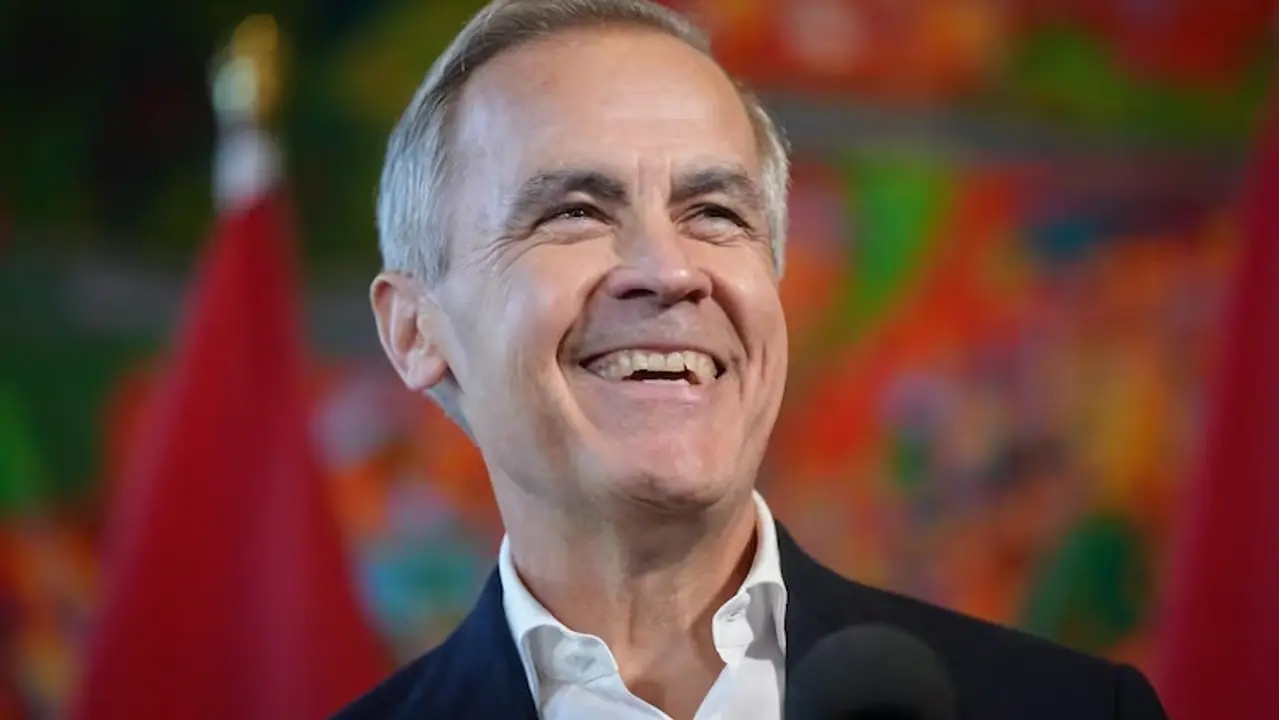
His first stop, Paris, offers a clue about where Canada is heading.
Meetings with President Emmanuel Macron are expected to focus on defense cooperation, artificial intelligence, quantum technologies, and critical minerals.
These are not ordinary trade discussions.
Each sector represents a pillar of national sovereignty in the twenty-first century.
Defense determines security. Artificial intelligence shapes economic competitiveness. Quantum technology may redefine strategic advantage. Critical minerals power everything from electric vehicles to advanced weapons systems.
For decades, Canada relied heavily on American partnerships in many of these areas.
Today, Ottawa appears interested in reducing that dependence.
France is a logical partner.
As a nuclear power with a substantial defense industry and ambitions for strategic autonomy, France shares concerns about overreliance on any single ally.
The discussions in Paris are therefore about much more than bilateral relations.
They are about creating new options.
The second stop may be even more significant.
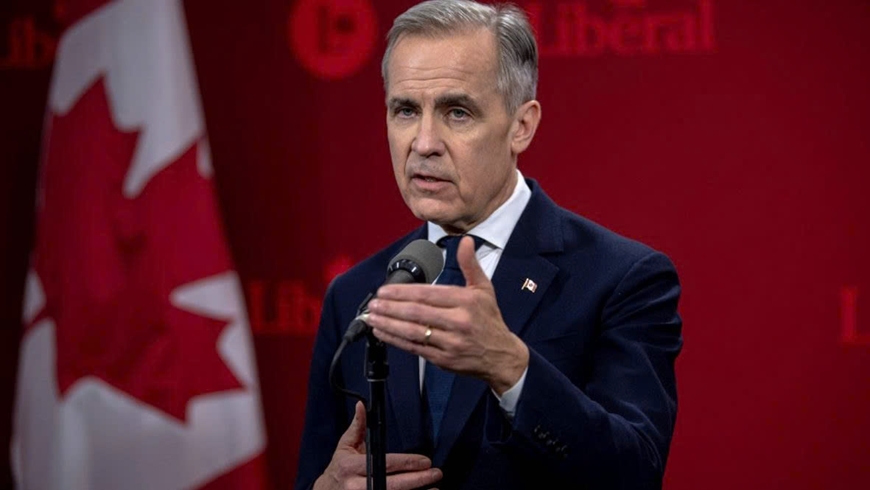
Carney’s visit to Ireland marks the first official trip by a Canadian prime minister there in nearly a decade.
That timing is unlikely to be accidental.
Beginning in July, Ireland will assume the presidency of the Council of the European Union, giving Dublin considerable influence over the bloc’s agenda.
For Canada, strengthening ties now could pay dividends later.
Trade remains at the center of the relationship.
Bilateral commerce between Canada and Ireland has expanded rapidly, supported by the Canada-European Union Comprehensive Economic and Trade Agreement, better known as CETA.
Yet one major obstacle remains.
Although CETA has been provisionally applied for years, full ratification still requires approval from all EU member states.
Ireland remains among the countries that have yet to complete that process.
Recent reports suggest Dublin is preparing legislation that could accelerate ratification.
The motivation is revealing.
Irish officials increasingly speak about reducing economic dependence on the United States and diversifying trade relationships.
That sounds remarkably familiar.
Canada and Ireland are arriving at similar conclusions from opposite sides of the Atlantic.
Both are seeking greater resilience in a world where traditional assumptions about globalization are becoming less reliable.
This shared outlook creates natural alignment.
And it highlights a broader trend reshaping international politics.
Middle powers are no longer waiting for great powers to solve their problems.
They are building networks with one another.
That trend is visible across Europe, Asia, and increasingly within North America itself.
For Carney, the objective appears straightforward.
Expand Canada’s options.
Strengthen partnerships beyond the United States.
Create economic and strategic relationships capable of withstanding future shocks.
Only then does he arrive at the G7.
Ironically, the summit may be the least important part of the trip.
Behind closed doors, leaders will discuss energy security, Ukraine, trade disputes, and instability in the Middle East.
Yet many observers believe an even larger concern hangs over every conversation.
How should allies respond when the world’s most powerful democracy becomes increasingly unpredictable?
Canada’s answer is becoming clearer.
Not confrontation.
Not disengagement.
Diversification.
Paris provides defense and technology opportunities.
Dublin offers deeper access to Europe and momentum for CETA.
Together, they form part of a larger strategy.
A strategy designed to ensure Canada has multiple pathways for trade, investment, security, and growth.
Whether that strategy succeeds remains uncertain.
But one thing is increasingly obvious.
Carney is not waiting for the international environment to stabilize.
He is attempting to reshape Canada’s position within it.
And while much of the world watches the headlines from Washington, the foundations of Canada’s next decade of foreign policy may be taking shape in meeting rooms across Paris and Dublin.






