BREAKING | MEDIA & POLITICS — A volatile collision between politics, corporate media, and late-night satire erupted this week after Donald Trump lashed out publicly at comedians Jimmy Kimmel and Stephen Colbert, only to see the backlash intensify into one of the most watched and discussed media moments of the year.
The flashpoint traces back to a controversial legal settlement involving 60 Minutes and its parent company Paramount Global. The lawsuit, filed by Trump over alleged deceptive editing of an interview with then-candidate Kamala Harris, was widely criticized after Paramount acknowledged it could likely have prevailed in court, yet opted to settle while navigating sensitive regulatory approvals. To critics, the timing raised troubling questions about whether legal pressure and political leverage were shaping editorial decisions.
Those concerns escalated when Trump returned to 60 Minutes for his first interview on the program in five years. While the appearance was billed as a wide-ranging discussion—including U.S.–China relations—media watchdogs focused less on the interview itself and more on the precedent the settlement appeared to set. The optics, they argued, suggested a chilling effect: a powerful political figure suing, then securing a settlement from, a major news organization amid regulatory negotiations.

At the same time, the administration announced a new Pentagon policy requiring credentialed journalists to sign a pledge not to publish information unless explicitly authorized for release—even when the material is unclassified. Civil liberties groups and press advocates warned the policy could grant the government sweeping control over what constitutes reportable news, eroding long-standing protections for independent journalism.
As international scrutiny mounted—particularly at the United Nations, where U.S. actions in Venezuela drew condemnation from multiple countries—the domestic media clash exploded into public view. Trump took to social media, repeating disputed claims about the 2020 election and celebrating what he portrayed as the “firing” or suspension of critical voices. He mocked Colbert’s ratings and openly cheered the disruption of Kimmel’s show, framing both as personal victories.
The reality proved more complicated—and far more consequential. In an unprecedented move, Kimmel and Colbert appeared on each other’s programs in a coordinated show of solidarity. The crossover event openly mocked attempts to silence criticism and reframed the alleged cancellations not as routine business decisions, but as examples of corporate media buckling under political pressure. Viewership surged.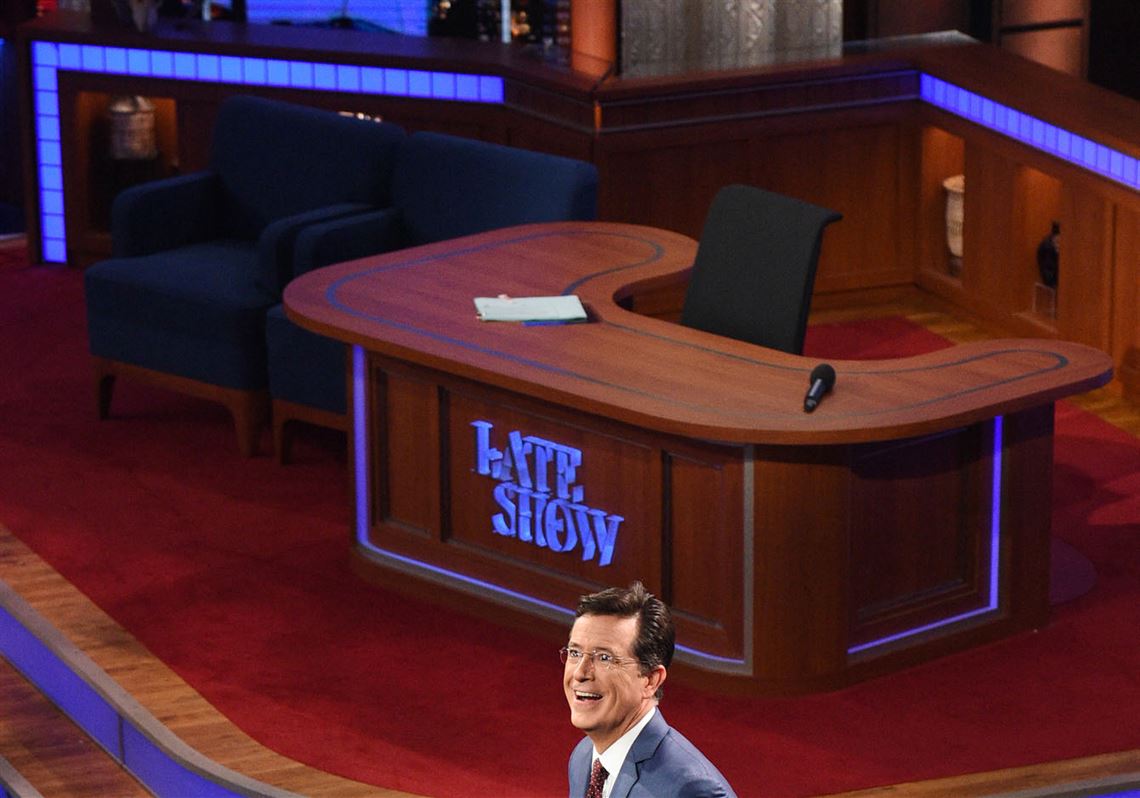
Kimmel later revealed that a fully prepared episode had been abruptly pulled minutes before taping after a call from network executives, sending staff and audiences home. Colbert disclosed that his own show’s cancellation followed closely on the heels of his public criticism of his network’s decision to settle Trump’s lawsuit. While networks cited scheduling and business considerations, the timing fueled suspicions of retaliation and regulatory fear.
Rather than diminishing their influence, the controversy amplified it. Kimmel’s return episode became the most watched of his career, shattering digital engagement records. Colbert’s final season transformed into appointment television, with audiences tuning in not just for comedy, but for a perceived stand against intimidation. Other late-night hosts joined in solidarity, turning satire into a collective statement about press freedom.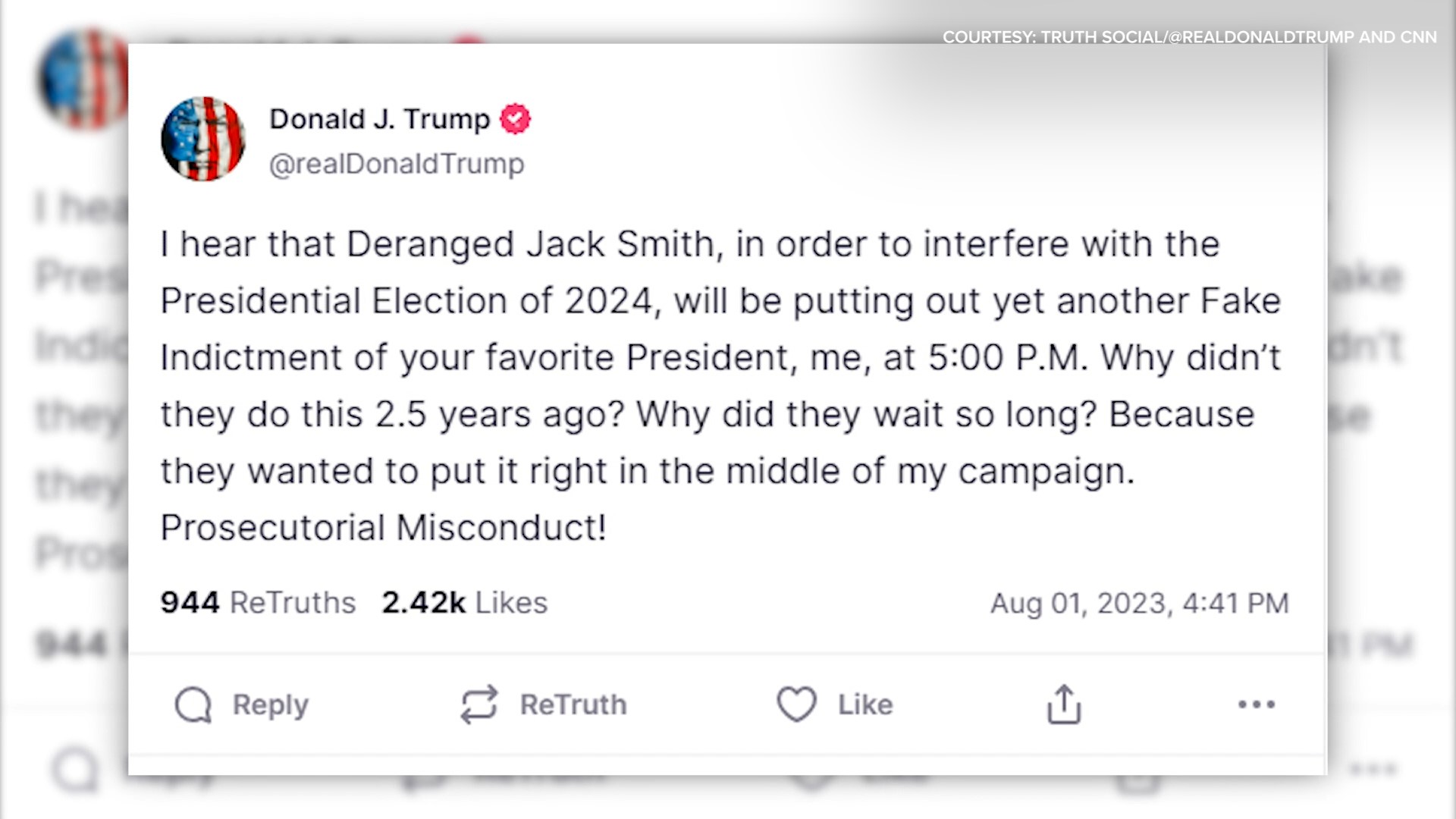
Internationally, the episode added to broader concerns about U.S. credibility. At the United Nations, countries including China and Russia criticized Washington’s actions, accusing the United States of undermining the very norms it once championed. Administration officials defended their policies as lawful enforcement measures, but skepticism persisted abroad—and at home.
Media scholars say the episode underscores a defining tension of the moment: the convergence of legal threats, corporate consolidation, and political power in a media ecosystem already under strain. When lawsuits, settlements, and regulatory leverage intersect, editorial independence can become collateral damage. The public response suggests viewers recognize that risk—and are willing to reward those who push back.
For Trump, the attempt to discredit and celebrate the silencing of critics appears to have backfired. Each attack drew more attention, more viewers, and more scrutiny. For Kimmel, Colbert, and their peers, the moment became larger than any single monologue or punchline. It evolved into a referendum on whether satire—and journalism—can still hold power to account without fear.
The outcome is still unfolding. But one lesson is already clear: efforts to suppress criticism in a fragmented, hyper-connected media landscape can ignite exactly the resistance they aim to prevent. In trying to control the narrative, the controversy turned comedians into symbols—and transformed late-night television into a frontline of the press-freedom debate.






