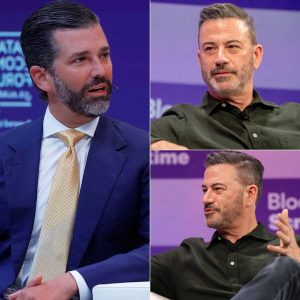
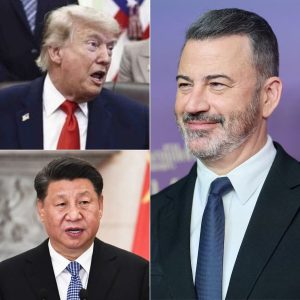
Trump-Kimmel Feud Draws Attention as Debate Over Media Oversight Intensifies

WASHINGTON — A growing public dispute involving President Donald Trump, late-night television host Jimmy Kimmel, and federal media oversight has sparked renewed debate about free expression, regulatory authority, and the relationship between politics and entertainment in modern America.
Discussion intensified after reports that federal communications regulators requested standard licensing-related filings connected to local television stations owned by ABC. The move quickly attracted political attention because of the network’s association with Jimmy Kimmel Live! and Kimmel’s frequent criticism of Trump.
Federal officials have stated that regulatory reviews involving broadcasters are part of longstanding oversight responsibilities tied to licensing requirements and public-interest obligations.
At the same time, critics argue that the timing of increased scrutiny has raised broader questions about whether political tensions between public officials and media organizations are influencing public perception of regulatory decisions.
The public disagreement between Trump and Kimmel has stretched across several years, fueled by televised comedy monologues, online exchanges, and sharp criticism from both sides.
Kimmel has regularly incorporated political commentary into his late-night program, often using humor to discuss current events, public figures, and policy debates.
Trump, meanwhile, has repeatedly criticized media outlets and entertainers he believes portray him unfairly, frequently raising concerns about political bias in television and news coverage.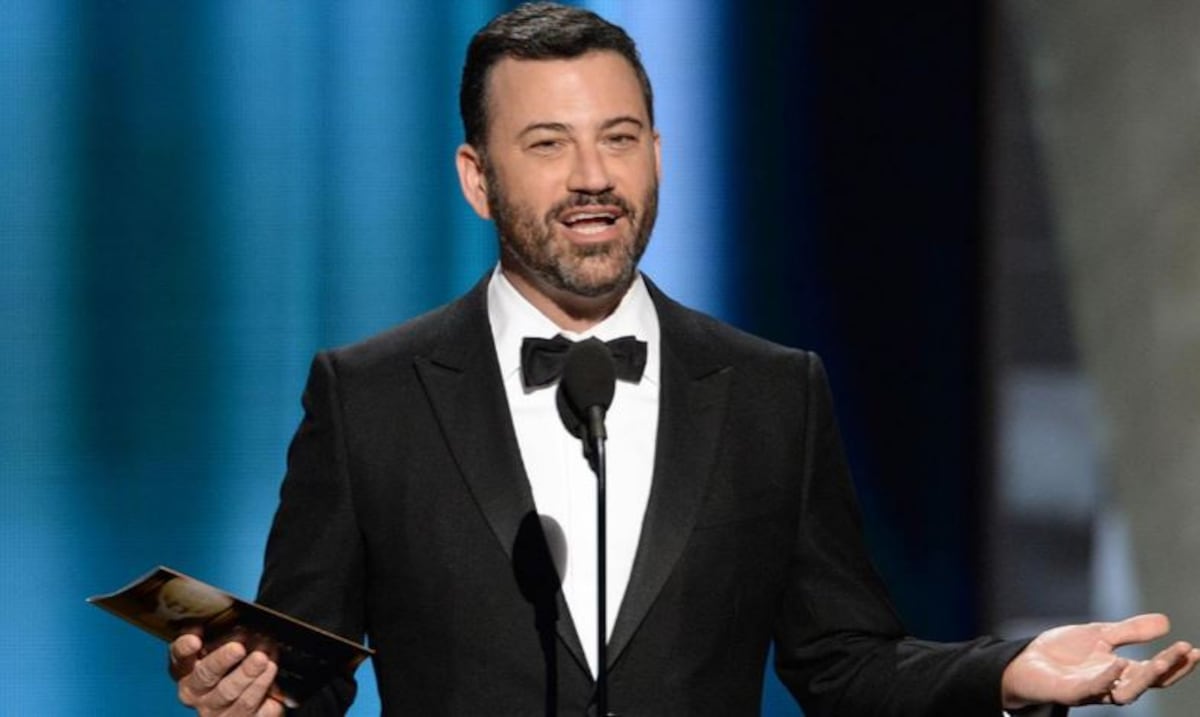
Supporters of stronger media oversight argue broadcasters should face accountability regarding editorial decisions, programming practices, and corporate policies affecting public trust.
Others warn that heightened regulatory attention surrounding politically sensitive programming could create concerns about press freedom and public confidence in institutional neutrality.
Legal analysts note that broadcast licensing in the United States follows established legal procedures and constitutional protections, making significant actions against networks highly complex and subject to legal review.
The discussion has also renewed broader questions about how governments should balance oversight responsibilities with protections for expression under longstanding constitutional principles.
Media scholars point out that comedians and late-night hosts increasingly occupy an influential place in political culture, often shaping conversations that extend far beyond entertainment audiences.
For supporters of Kimmel, public criticism of elected officials remains part of a healthy democratic tradition rooted in satire and free expression.
Others argue that media personalities should face scrutiny when audiences believe coverage or commentary crosses into political activism rather than entertainment.
As the political and cultural debate continues, the evolving relationship between media institutions, public officials, and government oversight remains one of the most closely watched issues in American public life.