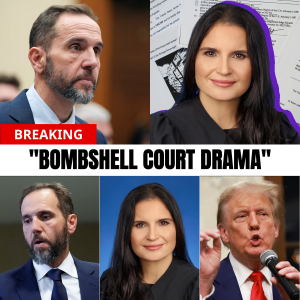
Trump Sparks Outrage With Oval Office Remarks on Epstein Files as New Questions Emerge
Washington, D.C. — Donald Trump is facing renewed scrutiny after making a series of controversial and potentially damaging remarks during a chaotic press conference in the Oval Office, where he addressed the partial release of long-sealed Jeffrey Epstein files. The comments, coupled with new court activity and mounting documentary evidence, have intensified questions about Trump’s past ties to Epstein and the federal government’s handling of the disclosure process.
Last Friday, the Department of Justice released approximately 3 million pages of documents related to Epstein. However, legal experts and transparency advocates say that figure may represent only a fraction of the full archive. Estimates suggest millions more documents — potentially tens of millions of pages — remain unaccounted for, raising alarms about selective disclosure and possible suppression.
Trump Claims Vindication — But Evidence Tells a Different Story
During the press conference, Trump repeatedly asserted that the newly released materials “vindicated” him, claiming there were “no references” to his name in the Epstein files. That claim is widely disputed.
Publicly available records, court filings, and prior document releases indicate that Donald Trump is referenced tens of thousands of times across Epstein-related materials, including FBI 302 interview summaries, informant reports, and investigative memoranda.
Despite this, Trump argued that the Department of Justice should “move on” from the Epstein investigation altogether, suggesting it was a waste of resources and politically motivated.
“Frankly, the DOJ should just say we have other things to do,” Trump said, while singling out Bill Clinton and unnamed Democrats as the real focus of the documents.
Fact-checkers and legal analysts quickly pushed back, noting that Epstein’s network included figures across political, financial, and social spheres — and that Trump’s name appears repeatedly in records spanning multiple years.
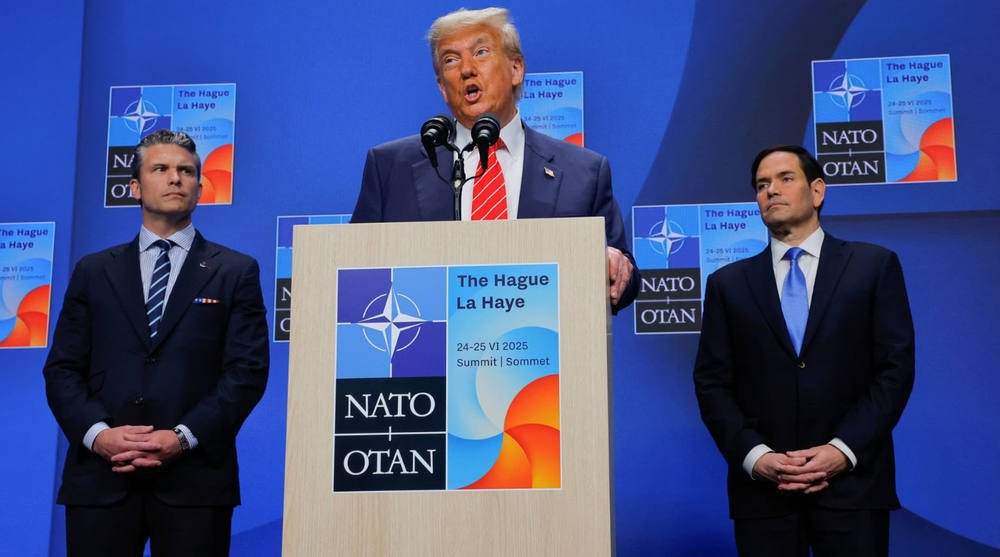
Repeated Familiarity Raises Eyebrows
In one of the most widely circulated moments of the press conference, Trump referred to Epstein as “Jeff” and “Jeffrey” multiple times — an informal familiarity that critics say undermines his claim of minimal association.
When asked about comedian Trevor Noah’s joke referencing Epstein’s private island, Trump denied ever being there and threatened legal action.
“I have nothing to do with Jeffrey Epstein,” Trump said. “I didn’t spend time on his island.”
However, flight records, photographs, and witness testimony documented in prior cases show extensive social overlap between Trump and Epstein during the 1990s and early 2000s, including shared travel, events, and reciprocal visits to properties.
Trump’s Social Media Posts Signal Panic
Following the press conference, Trump launched a wave of posts on his social media platform, forcefully denying any friendship with Epstein and claiming that Epstein conspired with journalist Michael Wolff to damage his presidency.
In one post, Trump alleged that Epstein and Wolff worked together to sabotage him politically — a claim for which no evidence has been produced.
Legal observers described the posts as unusually defensive.
“This is not the posture of someone confident in the facts,” said one former federal prosecutor. “This looks like preemptive narrative control.”
Steve Bannon’s Name Reappears in Epstein Records
Adding to the controversy, renewed attention has focused on Steve Bannon, Trump’s former chief strategist, who appears repeatedly in Epstein-related communications.
Emails from April 2019 — just months before Epstein’s arrest — show Bannon advising Epstein on how to “push back” against sex trafficking allegations and rebuild his public image as a philanthropist.
Trump’s decision to publicly praise Bannon in recent posts has fueled speculation that the former president is attempting to maintain loyalty amid fears of cooperation or disclosure.
Court Moves to Protect Survivors After DOJ Release
Perhaps the most serious fallout stems from the accidental disclosure of survivor identities in the recent document release.
Attorneys representing Epstein’s victims filed an emergency motion in federal court, arguing that the DOJ’s handling of the release retraumatized survivors and violated long-standing confidentiality protections.
Federal Judge Richard Berman acknowledged the urgency of the situation and scheduled an emergency conference, stating he was “deeply concerned” by the potential harm caused.
The incident has renewed criticism of the DOJ’s opposition to appointing an independent monitor under the Epstein Transparency Act — a safeguard that lawmakers previously proposed and the DOJ rejected.
Trump Attacks Lawmakers Behind Transparency Act
As pressure mounted, Trump turned his attention to Representative Thomas Massie, a Republican co-sponsor of the Epstein Transparency Act, attacking him personally and questioning his loyalty.
Observers note that Massie’s role in advancing transparency legislation appears to have placed him directly in Trump’s crosshairs.
“This is a classic intimidation tactic,” said a constitutional law professor. “Attack the messenger, discredit the process, and delay accountability.”
New Allegations Involving Foreign Money and National Security
The controversy deepened further after a Wall Street Journal report revealed that, days before Trump’s inauguration, entities tied to the Abu Dhabi royal family invested hundreds of millions of dollars into a Trump-affiliated crypto venture that reportedly had no operational product at the time.
Trump claimed ignorance of the deal, stating that his sons handled the business and that he was focused on foreign policy matters.
However, the investment coincided with the administration granting access to highly sensitive semiconductor technology to the United Arab Emirates — a move past administrations had avoided due to national security concerns.
A Presidency Under Intensifying Scrutiny
Taken together, Trump’s Oval Office remarks, social media activity, and the growing body of documentary evidence have created a moment of heightened vulnerability.
Legal analysts warn that dismissing the Epstein investigation while being repeatedly referenced in its records may carry significant political and legal consequences.
As additional documents remain unreleased and courts intervene to address procedural failures, one thing is clear: the Epstein files are far from resolved, and Donald Trump’s effort to declare vindication may have only amplified scrutiny.
With subpoenas looming, survivor advocates mobilizing, and federal judges stepping in, the fallout from this latest chapter is still unfolding — and Washington is watching closely.