BY CUBUI
BREAKING | MEDIA ANALYSIS — A viral video titled “Trump Erupts After Barack Obama Drops a BOMBSHELL on Live TV” has ignited intense debate online, not because of verified revelations, but because of how far political spectacle and digital storytelling can stretch reality in the modern media ecosystem.
The clip—circulating widely across YouTube and social platforms—depicts a dramatic confrontation between Barack Obama and Donald Trump at a fictional charity gala, complete with an ultimatum, alleged sealed medical records, and an on-camera standoff. Presented in cinematic detail, the narrative is designed to feel like a live exposé. Yet no credible reporting, court records, or official statements support the claims shown in the video.
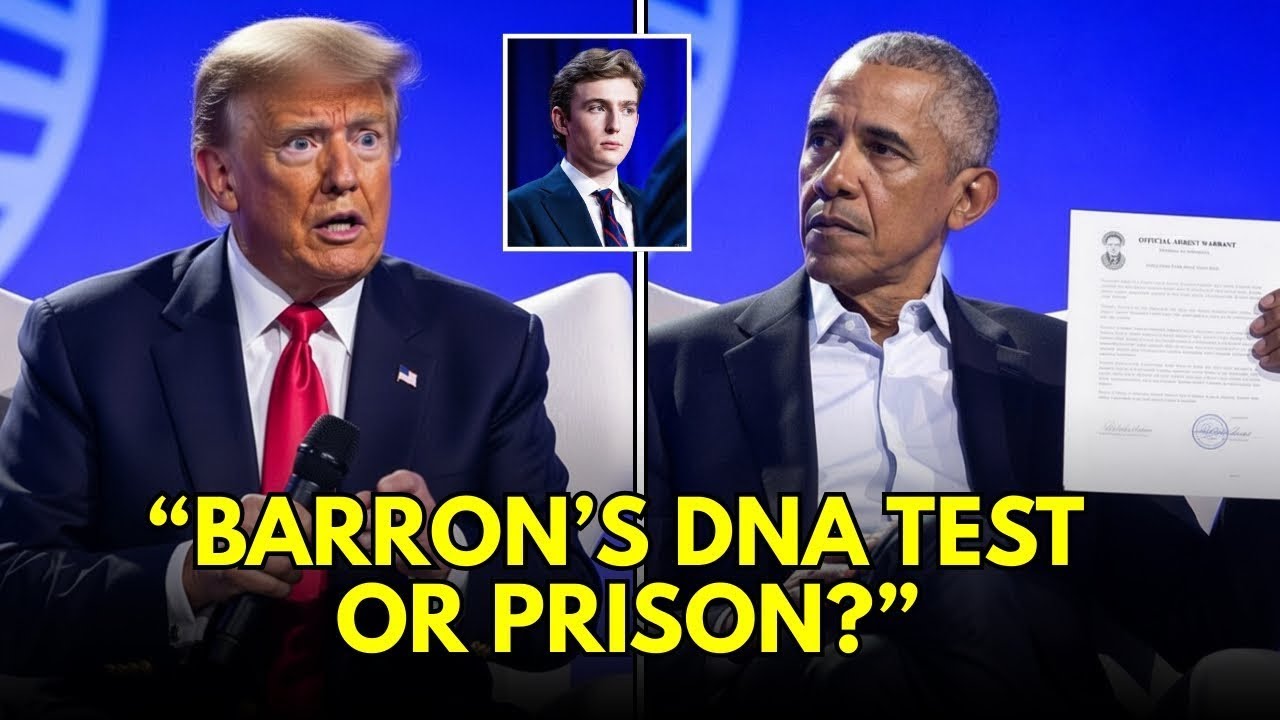
What makes the moment noteworthy is not the content itself, but the method. The video blends real public figures with fictional elements—dramatic pacing, ominous dialogue, and staged reactions—to create the illusion of a historic “bombshell.” The production borrows the language of investigative journalism while delivering a scripted narrative, a tactic increasingly common in engagement-driven media.
According to the video’s storyline, Obama confronts Trump with alleged documents and issues a dramatic ultimatum under the glare of television lights. The scene is framed as a turning point—truth versus power, silence versus exposure. But in reality, no such event has occurred. There has been no gala confrontation, no federal ultimatum, and no verified evidence resembling what the video suggests. Reputable outlets have reported nothing of the kind.
Still, the clip spread rapidly. Media analysts say the reason is simple: it taps into familiar archetypes. Obama is portrayed as calm authority and moral reckoning; Trump as defiant power under siege. The setting—a lavish ballroom, a stunned audience, rolling cameras—amplifies the drama. For viewers already primed by years of partisan conflict, the story feels emotionally plausible even when factually unsupported.
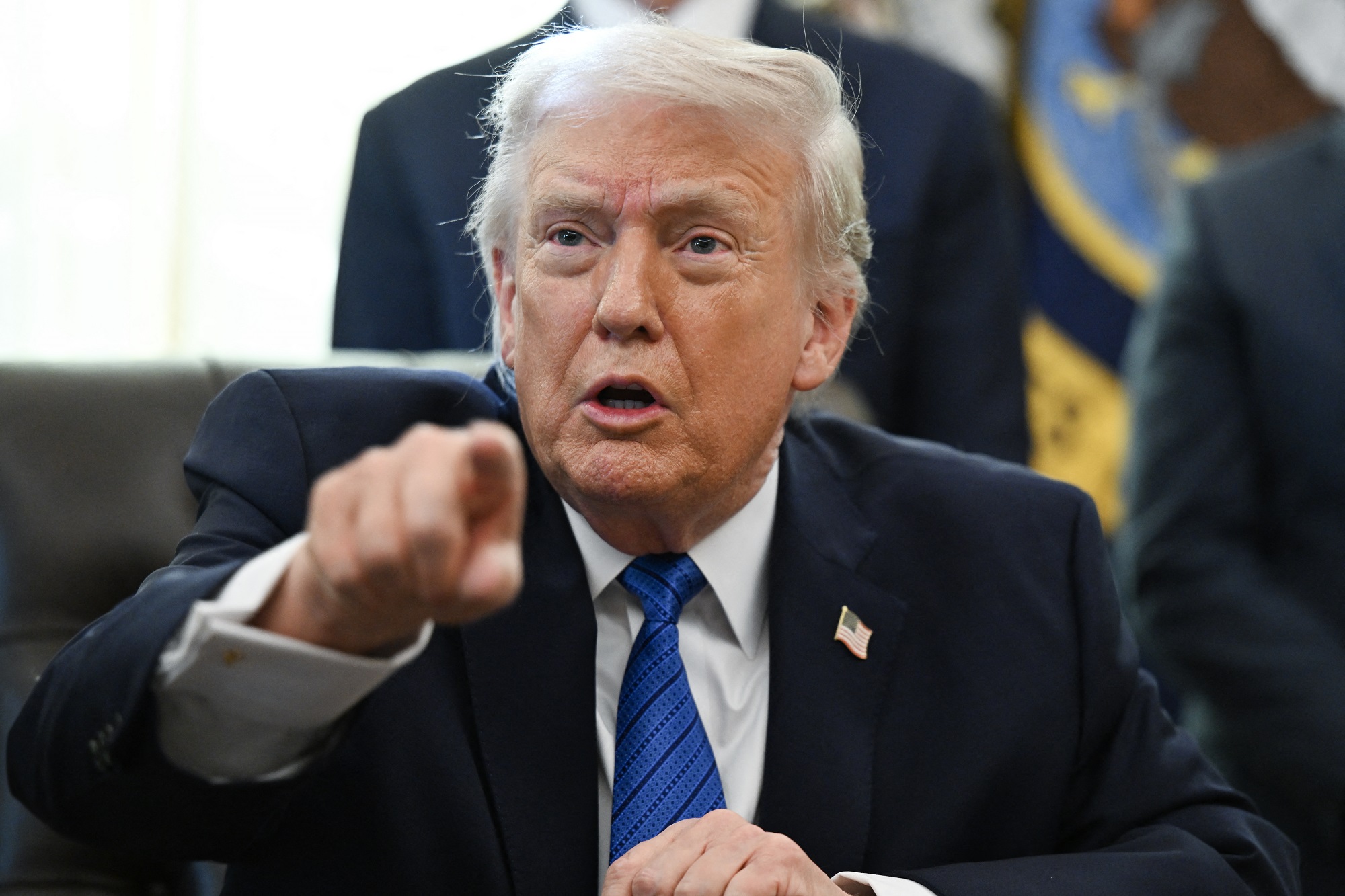
The video also underscores a growing challenge for audiences: distinguishing between commentary, satire, fiction, and reporting. The production uses the cadence of news coverage—timestamps, sober narration, and “live TV” framing—without the safeguards of verification. To casual viewers, especially those encountering the clip out of context, the line between storytelling and journalism can blur quickly.
Experts in media literacy warn that this style of content thrives on ambiguity. By never clearly labeling itself as fiction, it invites belief, outrage, and sharing—all powerful drivers of online reach. Algorithms reward engagement, not accuracy, meaning sensational narratives often travel faster than corrections.
Notably, the video’s emotional center is not policy or governance, but identity, family, and secrecy—themes that provoke strong reactions regardless of political affiliation. That choice is strategic. Personal stakes feel more urgent than abstract debates, and they encourage viewers to watch, comment, and argue.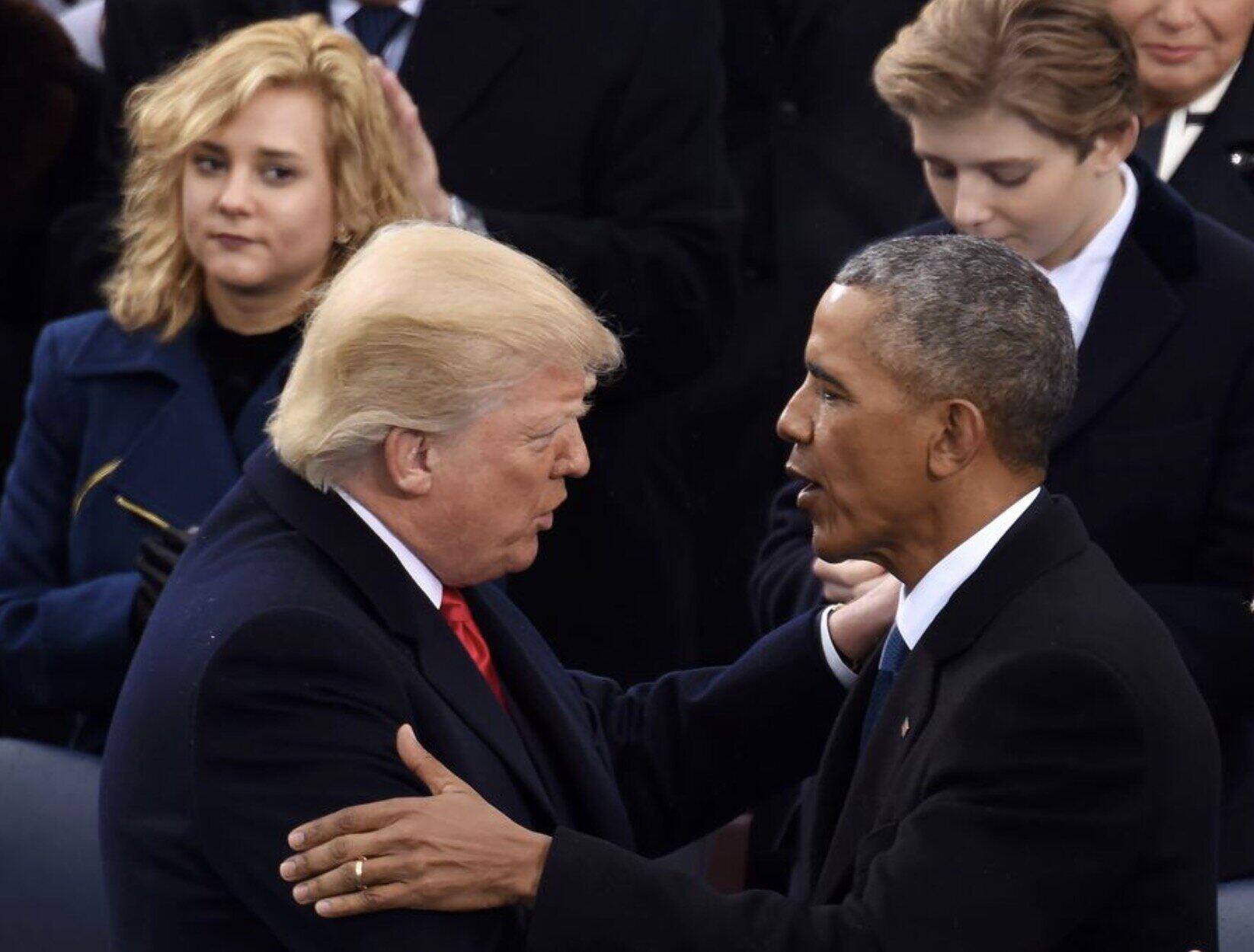
For supporters of Trump, the clip is dismissed as malicious fabrication. For critics, it is sometimes shared as symbolic “truth-telling,” even when acknowledged as dramatized. In both cases, the result is the same: further polarization and confusion about what is real.
Neither Obama nor Trump has addressed the video directly, and mainstream news organizations have not corroborated any of its claims. That silence itself becomes fuel for speculation in online spaces, where absence of denial is often misread as implication.
The broader takeaway is not about the individuals depicted, but about the ecosystem that rewards spectacle over substance. As political trust erodes, fictionalized “exposés” can feel emotionally satisfying to audiences hungry for accountability, even when they lack evidence.
In the end, the viral moment says less about Obama or Trump than it does about the state of modern media. In an attention economy, the most dramatic story often wins—regardless of whether it’s true. For viewers, the responsibility to pause, verify, and question has never been more important.