Trump Faces Mounting Legal Jeopardy as a Stunning Texas Defeat Signals a Growing Political Backlash
WASHINGTON — Federal prosecutors have formally notified former President Donald Trump that he is now the target of a criminal investigation related to the mishandling of classified documents at his Mar-a-Lago residence, according to multiple people familiar with the matter. The notification, delivered through a so-called “target letter” to Mr. Trump’s legal team, signals that prosecutors believe they possess substantial evidence linking him directly to potential criminal violations and that an indictment could come at any time.
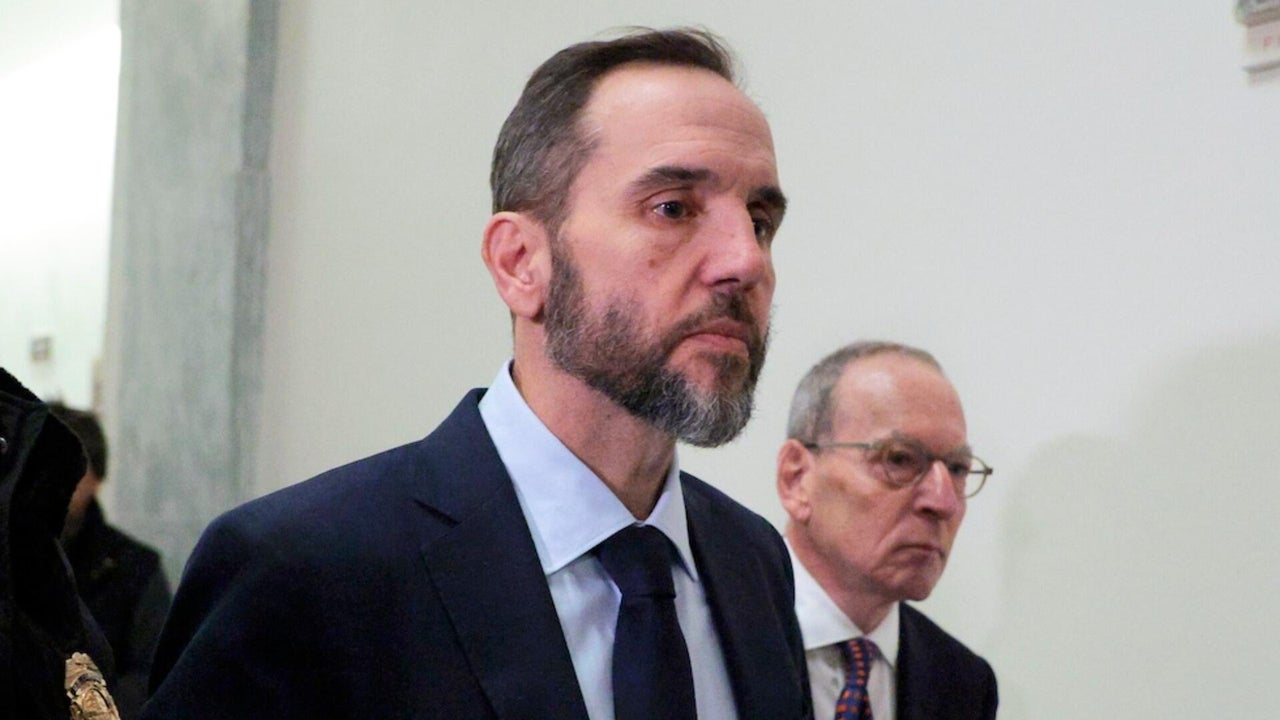
The development marks a decisive moment in an investigation led by Special Counsel Jack Smith, whose inquiry has steadily narrowed its focus from Trump aides and custodians of records to the former president himself. Legal experts note that target letters are typically issued only when prosecutors are nearing the end of an investigation and are prepared to bring charges.
Mr. Trump has repeatedly denied wrongdoing, insisting that he declassified the materials in question and portraying the investigation as politically motivated. His attorneys recently met with senior Justice Department officials, arguing that the case is legally flawed. Still, the issuance of a target letter underscores that prosecutors are unconvinced by those arguments.
But while Mr. Trump confronts escalating legal peril in Washington, political tremors are spreading far beyond the courthouse — most notably in Texas, where a once-reliable Republican stronghold delivered a shock that has rattled party leaders nationwide.
A Texas Election That Changed the Narrative
In a special election for Texas Senate District 9, a suburban district north of Fort Worth, Democratic candidate Taylor Ree defeated her Republican opponent by a commanding 57 percent to 43 percent margin. The result stunned analysts because Mr. Trump had carried the district by 17 points in the 2024 presidential election just months earlier.
The swing — roughly 31 points — is the kind typically seen only in wave elections, when voter sentiment turns sharply against the party in power. Compounding the impact, Mr. Trump had personally endorsed the Republican candidate, recorded promotional messages, and touted her repeatedly on social media as a loyal supporter of his MAGA movement.
She lost anyway — decisively.
“This wasn’t a close race,” said one Texas Republican strategist, speaking on the condition of anonymity to avoid angering party leaders. “This was a rejection. And everyone knows Trump was on the ballot.”
A Pattern, Not an Anomaly
The Texas result is not occurring in isolation. Across the country, Republicans have underperformed in special elections in suburban and swing districts — from Pennsylvania to Wisconsin to Virginia. Political analysts and campaign operatives increasingly describe these races as early warning signs of a broader backlash against Mr. Trump’s second term.
On cable news and social media platforms like X and TikTok, the Texas outcome quickly became a focal point for Democratic strategists, who framed it as evidence that Trump-backed candidates are becoming liabilities in competitive districts.
“This is what happens when elections turn into referendums on Trump,” one Democratic consultant wrote on X. “Voters are voting against him — even in places he used to dominate.”
Immigration, Rhetoric, and Suburban Revolt
Post-election analyses and exit polling suggest several factors drove the Democratic victory in District 9. Chief among them: immigration.
Mr. Trump’s second term has been defined by an aggressive crackdown that includes mass deportations, expanded enforcement raids, and harsh rhetoric that critics describe as dehumanizing. In a district with a growing Latino population — including many U.S. citizens and legal residents — the policies appear to have mobilized opposition rather than support.
Latino turnout surged, according to local election officials, with those voters breaking overwhelmingly for the Democratic candidate.
At the same time, suburban moderates — college-educated professionals who once formed a key pillar of Republican electoral success — appear to be drifting away from the party. Interviews conducted by local media outlets found many voters expressing unease with Mr. Trump’s attacks on judges, journalists, and democratic institutions, as well as his repeated threats to deploy federal power domestically.
“I voted Republican most of my life,” said one Fort Worth-area voter interviewed by a local television station. “But this feels different. This feels dangerous.”
When Endorsements Backfire
Perhaps the most consequential lesson from Texas is the diminishing value — and potential toxicity — of a Trump endorsement.
For years, Mr. Trump’s backing has been a near-guarantee of success in Republican primaries and a powerful asset in general elections. But in District 9, his involvement appeared to nationalize what should have been a local race, turning it into a direct referendum on his presidency.
The strategy backfired.
Republican lawmakers now face an increasingly stark dilemma: embrace Mr. Trump and risk alienating moderate voters, or distance themselves and risk provoking the ire of the MAGA base. Either choice carries political danger.
“There’s no safe path anymore,” said a GOP strategist in Dallas. “Trump owns the base, but he’s poisoning the suburbs.”
Legal Clouds, Political Consequences
The convergence of Mr. Trump’s legal troubles and political setbacks has intensified concerns within Republican circles about the party’s prospects heading into the 2026 midterm elections. Dozens of House seats — many in suburban districts similar to Texas Senate District 9 — could determine control of Congress.
Complicating matters further, aggressive Republican redistricting efforts may have inadvertently created what some analysts call “dummymanders”: districts that appear safe on paper but collapse quickly under even modest electoral swings.
“If there’s a national backlash,” one election expert warned on MSNBC, “those maps could actually magnify Republican losses.”
Mr. Trump’s response to the Texas defeat did little to calm nerves. He attempted to downplay his involvement, calling it “just a local race,” despite extensive evidence of his personal campaigning. Critics — and even some allies — saw the move as a retreat from responsibility that undercut his carefully cultivated image as a political kingmaker.
A Warning Sign for 2026
Taken together, the legal escalation in Washington and the electoral rebuke in Texas paint a troubling picture for Republicans. Mr. Trump remains the dominant figure in the party, but his brand appears increasingly polarizing — and increasingly rejected — in the very districts Republicans must win to retain power.
For Democrats, the strategy is clear: nationalize elections around Mr. Trump, frame every contest as a judgment on his presidency, and capitalize on voter unease. So far, that approach is working.
For Republicans, the path forward is far less obvious.
As one longtime GOP donor put it bluntly in a private message shared widely on social media: “We’re stuck with Trump — and Trump might be sinking us.”
Whether party leaders heed the warning from Texas remains to be seen. But with indictments looming and electoral fault lines widening, the message from voters is growing harder to ignore.






