Susie Wiles’s Exit Exposes a White House Struggling to Govern
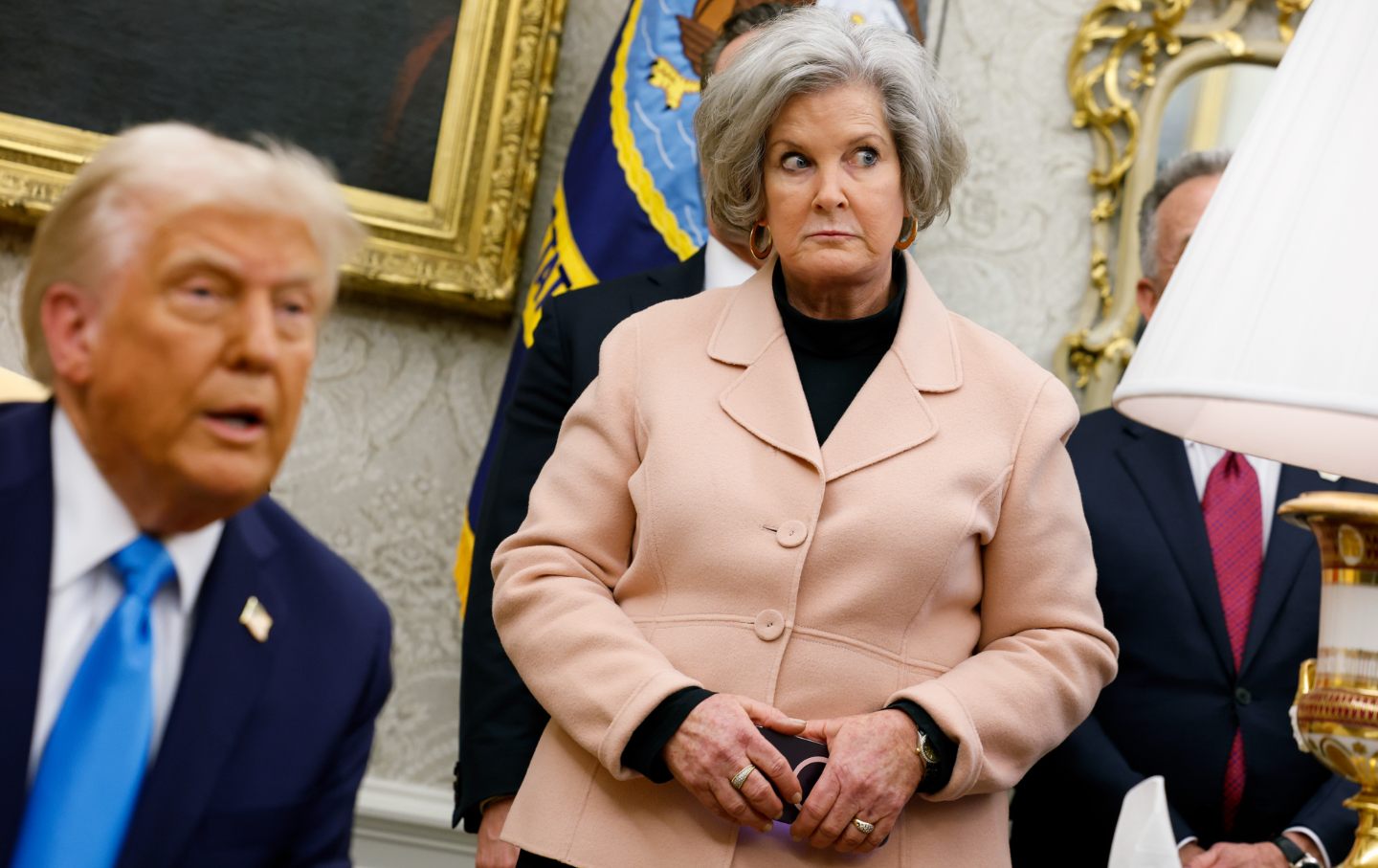
WASHINGTON — When Susie Wiles, President Trump’s chief of staff and arguably the most powerful official in the White House after the president himself, resigned effective immediately this week, the departure landed in Washington less as a surprise than as a confirmation.
For months, aides, allies, and even some Republicans on Capitol Hill had quietly wondered how long Ms. Wiles — a seasoned political operative brought in to impose order on a notoriously chaotic administration — could endure the compounding crises that have defined Mr. Trump’s second term. Her resignation, citing “irreconcilable differences over governance amid constant scandal,” offered a blunt answer.
The exit of a chief of staff is always consequential. But this one, coming just over a year into the administration and amid a cascade of political, legal, and operational setbacks, has sharpened concerns that the Trump White House is no longer merely turbulent but structurally unstable.
Ms. Wiles was no ordinary aide. Installed shortly after Mr. Trump’s 2024 victory, she was chosen precisely because of her long relationship with him and her reputation for discipline. Allies described her as a gatekeeper who understood how to manage a president who resists constraint. Critics, meanwhile, saw her as the administration’s last line of organizational defense.
Now, that line is gone.
A Resignation Amid Piling Crises
The timing of Ms. Wiles’s resignation is difficult to separate from the broader context engulfing the administration. In recent weeks alone, the White House has faced a bruising special election loss in Texas, public infighting over the handling of sensitive Justice Department matters, resignations among ethics officials, and renewed scrutiny surrounding the release of Epstein-related files.
According to multiple people familiar with the internal dynamics, the breaking point came after President Trump publicly and privately blamed Ms. Wiles and her team for the Texas defeat, a loss that undercut the president’s claims of continued dominance over Republican turnout.
Mr. Trump’s frustration spilled into public view during a tense Fox News interview, in which he dismissed the loss as a “local glitch” while castigating so-called “RINOs” and suggesting disloyalty within his own ranks. Hours later, aides say, blame began circulating inside the West Wing — and Ms. Wiles found herself at the center of it.
In her resignation message, which was later reported by Axios, Ms. Wiles wrote that “the constant scandals and the blame game make governing impossible.”
For a chief of staff — the official tasked with making governing possible — the statement carried unusual weight.
The Collapse of the Gatekeeper Role
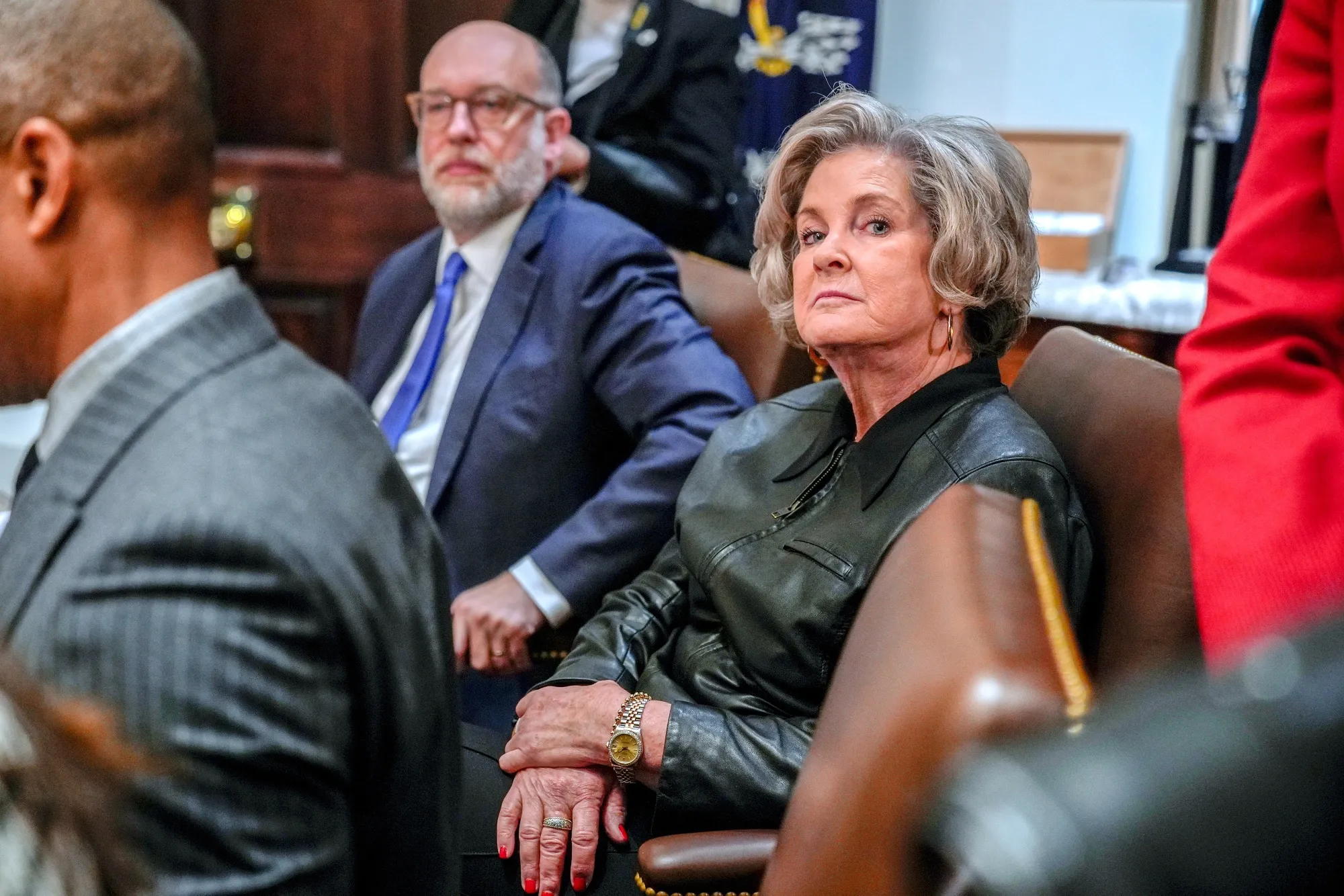
The modern White House chief of staff is less a bureaucratic functionary than an institutional shock absorber. The job requires managing the president’s impulses, coordinating among rival power centers, and maintaining a semblance of order in the face of relentless political pressure.
That task is particularly daunting in a Trump administration, where loyalty is prized, dissent is punished, and decision-making often flows directly from the president’s instincts rather than formal process.
Ms. Wiles was widely viewed as uniquely positioned to handle those challenges. She had worked with Mr. Trump before. She understood his rhythms. She commanded respect among senior staff. And for 13 months — longer than any chief of staff in Mr. Trump’s second term — she managed to hold the operation together.
Her departure underscores a central paradox of Trump-era governance: the very traits that fueled his political ascent make sustained administration extraordinarily difficult.
“Once the chief of staff concludes that the system is unmanageable, that’s not a personnel issue,” said one former Republican official familiar with White House operations. “That’s an institutional failure.”
Turnover as a Warning Sign
Ms. Wiles is the seventh senior aide to leave the administration in just the first two months of 2026, according to the Brookings Institution’s turnover tracker. The rate — roughly 45 percent among top aides — is far higher than historical norms and has revived comparisons to the most volatile periods of Mr. Trump’s first term.
High turnover is not merely a morale problem. It has practical consequences: policy delays, breakdowns in communication, weakened relationships with Congress, and uncertainty among federal agencies tasked with implementing presidential directives.
Each resignation also compounds the difficulty of recruiting replacements. Experienced operatives with alternatives are often reluctant to step into roles where predecessors were publicly blamed and abruptly discarded.
Already, several potential candidates for chief of staff have privately signaled hesitation, according to people briefed on internal discussions.
A Vacuum at a Critical Moment
The resignation comes as the administration approaches a pivotal stretch. Primary contests are accelerating. The 2026 midterms loom. Key policy initiatives face legal challenges. And the White House must navigate an increasingly skeptical Congress.
Without a chief of staff in place, coordination slows. Authority fragments. Rival aides jockey for influence. And the president, historically resistant to hierarchy, becomes even harder to channel.
Democrats, for their part, see opportunity. Senior party strategists argue that Ms. Wiles’s departure reinforces a narrative of dysfunction that could resonate with swing voters already fatigued by controversy.
“Even the people closest to him are walking away,” one Democratic operative said. “That’s not an opposition talking point. That’s his own team.”
The President’s Response
Mr. Trump, as he often does, sought to control the narrative. In a post on Truth Social, he praised Ms. Wiles’s service but attributed her departure to “fake news pressure,” avoiding any acknowledgment of internal conflict or responsibility.
The explanation satisfied few in Washington. The resignation letter’s language — particularly its emphasis on governance being “impossible” — suggested a far deeper rift than media coverage alone.
Still, aides insist the president remains confident he will find a replacement quickly.
History suggests otherwise.
What Comes Next
Whoever succeeds Ms. Wiles will inherit not just a job, but a test: whether this White House can still function as a governing institution rather than a perpetual crisis machine.
The risks are considerable. A less experienced chief of staff may struggle to impose discipline. A more pliant one may fail to challenge destructive dynamics. Either outcome could accelerate the cycle Ms. Wiles appeared determined to escape.
For now, her resignation stands as one of the clearest signals yet that the Trump administration’s challenges are no longer episodic but systemic.
And in Washington, where departures often speak louder than speeches, that message is already being heard.