A Sealed Report, a Second Term, and a National Security Reckoning
By early 2026, the most consequential investigation of Donald J. Trump’s handling of classified information had not ended with a verdict, a trial, or a public accounting. Instead, it ended — at least for now — behind a judicial seal.
WASHINGTON — When federal prosecutors filed a superseding indictment in the Southern District of Florida alleging that associates of President Donald J. Trump attempted to delete subpoenaed surveillance footage at Mar-a-Lago, the legal development itself was not unprecedented. Obstruction charges are common in complex federal cases. What made this moment different was its timing — and its silence.
The charges, which named Mr. Trump alongside two close aides, came as his second term was already underway and as his legal team pressed aggressively to keep the special counsel’s final report permanently sealed from public view. The result is an extraordinary situation: a sitting president governing under the shadow of one of the most serious national security investigations in American history, while the most comprehensive account of that investigation remains hidden.
According to the indictment, federal prosecutors allege that after receiving a subpoena demanding surveillance footage from Mar-a-Lago’s storage areas, members of Mr. Trump’s team discussed and attempted to erase portions of that footage. Prosecutors argue that the actions were taken with knowledge that the recordings had been requested by investigators and that their destruction would impede the inquiry.
Andrew G. McCabe, the former deputy director of the F.B.I., described the allegation as striking in its scope. “If proven,” he said in a televised interview, “this goes well beyond mere mishandling of classified material. It suggests active participation in obstructing justice.”
The Classified Documents Case
The obstruction allegations are only one part of a sprawling investigation that began shortly after Mr. Trump left office in January 2021. In 2023, he was charged under the Espionage Act for retaining highly sensitive national defense information at his Florida residence and club. Federal agents ultimately recovered dozens of classified documents — some bearing the government’s highest secrecy markings — from storage rooms, offices, and even a bathroom at Mar-a-Lago.
The contents of many of those documents remain classified, but officials familiar with the matter said at the time that they included intelligence assessments, military planning documents, and materials related to nuclear capabilities. Prosecutors argued that unauthorized disclosure of such information could compromise intelligence sources and methods and potentially endanger lives.
What troubled investigators further was the government’s account of how the documents were retrieved. According to court filings, Mr. Trump’s lawyers initially certified that all classified material had been returned. Subsequent evidence suggested otherwise, prompting a subpoena, then a search warrant, and finally the F.B.I. raid in August 2022 that recovered additional materials.
Special Counsel Jack Smith later told Congress that his office believed it had assembled proof “beyond a reasonable doubt” that Mr. Trump had committed felony violations of federal law. That conclusion was laid out in a final report completed in late 2025 — a report that has yet to be released.
The Fight to Keep the Report Sealed
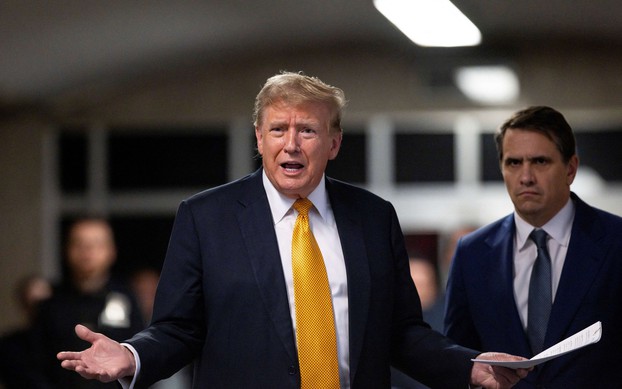
In December 2025, Mr. Trump’s legal team asked Judge Aileen M. Cannon, who presided over the Florida case, to block the report’s publication permanently. They argued that releasing it would unfairly prejudice the president, disclose sensitive information, and serve no legitimate public purpose given that the criminal prosecution had been curtailed.
The Justice Department, in a filing that startled some legal observers, supported keeping much of the report under seal, describing the matter as belonging to “the dustbin of history.”
For critics, that phrase became emblematic of what they see as an effort to bury one of the gravest breaches of national security norms by a current or former president.
“If the report truly exonerates him,” said a former senior national security official who requested anonymity, “there is no rational reason to hide it. Transparency would serve him. Secrecy serves only one outcome — concealment.”
Governing Under a Cloud
While Mr. Trump has dismissed the investigation as a partisan “witch hunt,” polls suggest that a majority of Americans believe he mishandled classified documents. Notably, surveys show discomfort even among some Republican voters, particularly independents and national security-focused conservatives.
The issue poses practical challenges for governance. Every decision involving intelligence sharing, military planning, or classified programs is filtered through the unresolved questions surrounding the Mar-a-Lago documents. Foreign allies, intelligence officials say privately, have raised concerns about information security, even if they have avoided public confrontation.
“It’s not abstract,” said a former intelligence official who worked closely with allied services. “Trust is cumulative. Once it’s damaged, it affects everything from counterterrorism cooperation to cyber defense.”
The contrast with how lower-level officials are treated has further fueled public unease. In recent years, service members and government employees have been prosecuted and imprisoned for mishandling far fewer classified materials. The perception of a double standard — one rule for the powerful, another for everyone else — has become a recurring theme in commentary about the case.
Political Implications
For now, Republican leaders remain largely unified in defending the president and opposing disclosure of the special counsel’s findings. But history suggests that political loyalty is contingent. As with Watergate, Iran-Contra, and other scandals that unfolded gradually, cumulative revelations can reshape public opinion over time.
The sealed report looms over the administration as a potential inflection point. Members of Congress have continued to press for access. Journalists have pursued leaks. Legal experts note that in Washington, sensitive information rarely remains hidden indefinitely.
Even without new disclosures, the existence of the report — and the effort to suppress it — continues to frame Mr. Trump’s presidency. Each new court filing, each allegation of obstruction, renews questions that have never been fully answered.
An Unresolved Reckoning
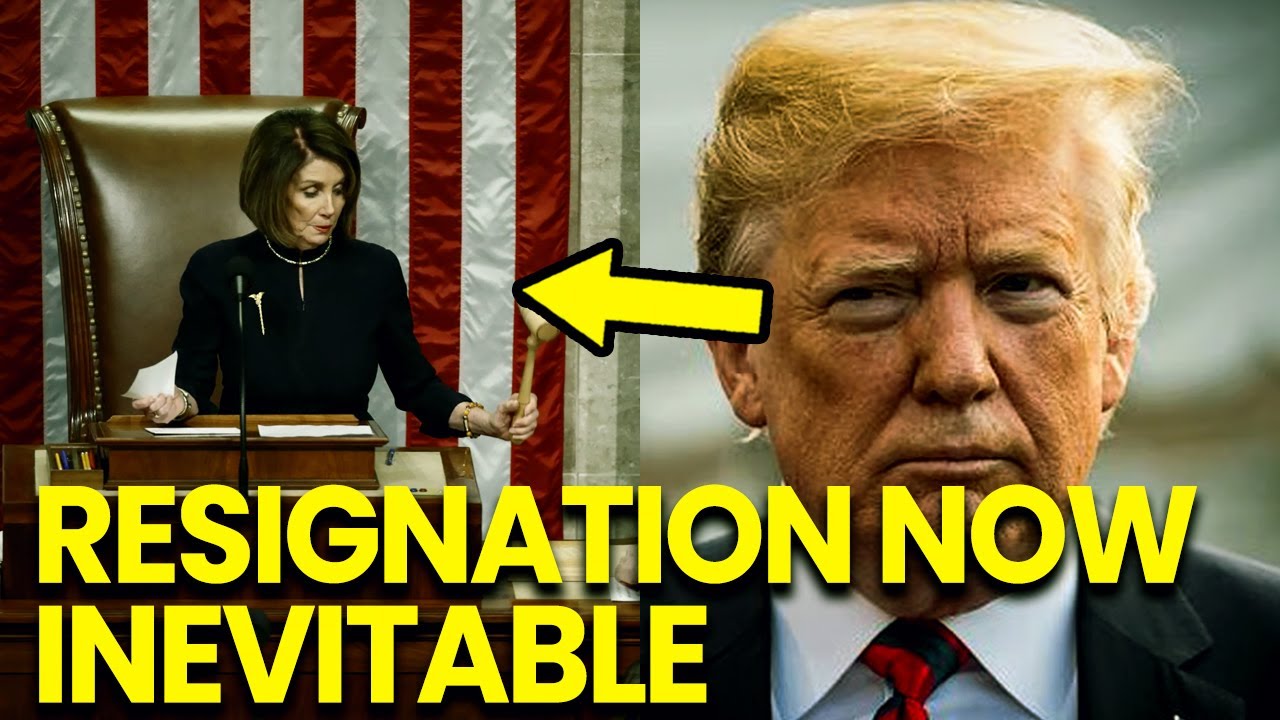
Whether the classified documents investigation ultimately forces a political reckoning remains uncertain. Mr. Trump has survived scandals that would have ended other presidencies. Resignation, while discussed in some quarters, remains speculative.
What is clear is that the case represents something different from past controversies. It is not about rhetoric, personality, or partisan dispute. It is about national defense information, the rule of law, and whether accountability applies equally at the highest levels of power.
The documents remain real. The evidence, according to prosecutors, remains compelling. And the report remains sealed.
For now, the nation is left to govern — and be governed — in the absence of a full public accounting. Whether that silence can endure may determine not only the fate of this presidency, but the credibility of the institutions meant to protect the country’s most vital secrets.