The Northern Shield: Canada and Mexico Forge Unified Front Ahead of CUSMA 2026 Showdown
As the 2026 review clause of the Canada-United States-Mexico Agreement (CUSMA) looms, a profound and strategic realignment is quietly taking shape north and south of the U.S. border. In response to escalating rhetoric and demands for sweeping changes from former President Donald Trump, Canada and Mexico are not waiting reactively. Instead, they are constructing a coordinated, disciplined defense—and potential counteroffensive—that could redefine power dynamics in North American trade.
Gone are the days of fragmented, bilateral desperation. Under the steady direction of Prime Minister Mark Carney and President Andrés Manuel López Obrador (AMLO), a working alliance has been solidified not through flashy declarations, but through meticulous, below-the-radar preparation. This nascent “Northern Shield” represents the most significant challenge yet to Washington’s historical ability to divide and conquer its continental partners.
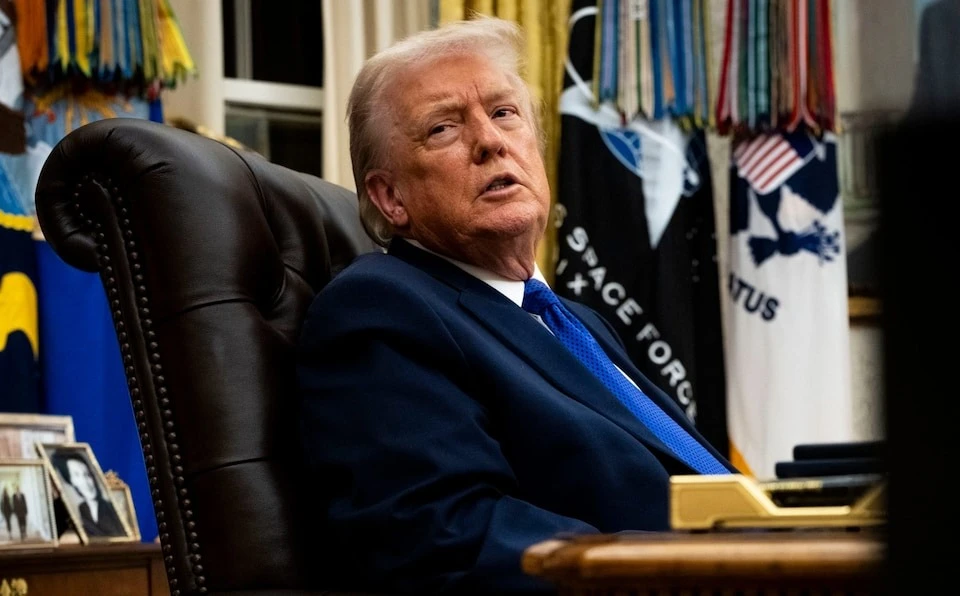
From Reactive to Strategic: Building a Unified Playbook
Sources within both the Canadian and Mexican trade ministries confirm that coordination has moved far beyond diplomatic pleasantries. Joint technical working groups, operating with a degree of secrecy, have been established for months. They are focused on core, vulnerable sectors Trump has explicitly targeted: the dairy supply management system, rules of origin for automobiles, dispute settlement mechanisms (Chapter 10 and 19), and labor standards enforcement.
“The strategy is one of mutual reinforcement,” explains a Canadian official involved in the talks. “If Washington attacks Canadian dairy, Mexico will support the legitimacy of supply management within the treaty framework, and vice-versa on auto parts or energy. We are harmonizing our legal and economic analyses to present a single, unbreachable wall of argumentation.”
On the domestic front, Carney has achieved a rare feat: securing a locked-in common position from all ten provincial premiers and three territorial leaders. This internal unity, often elusive in Canadian trade history, denies Washington its old tactic of exploiting provincial divisions, particularly on agriculture. Similarly, AMLO has brought key Mexican industrial and agricultural sectors into alignment, ensuring a cohesive national stance.
The Leverage Flip: Supply Chains as a Strategic Asset
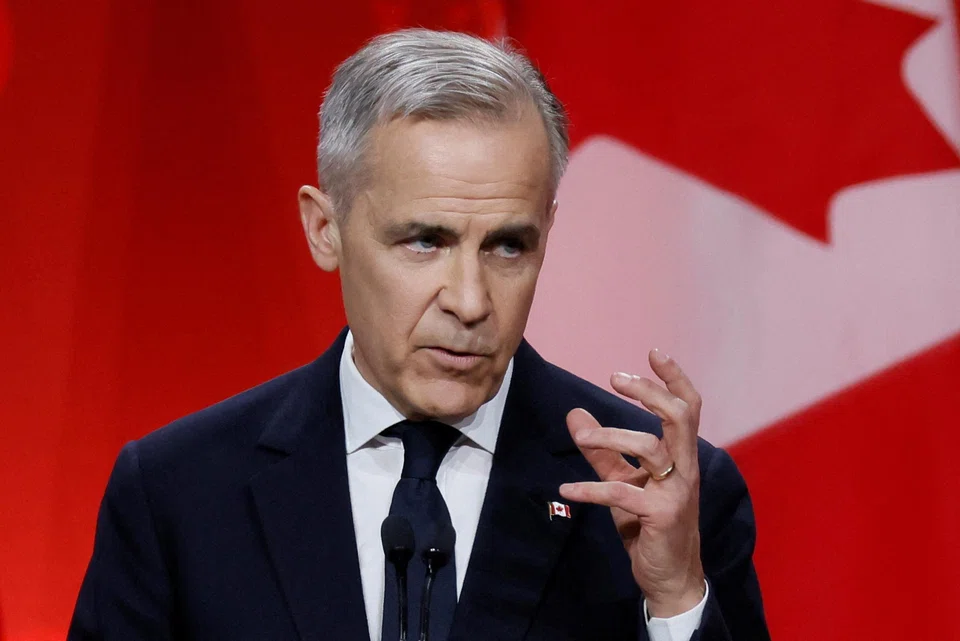
Analysts point out that the geopolitical and economic landscape of 2026 is starkly different from that of the original NAFTA renegotiation in 2017-18. Then, the threat of U.S. tariffs created palpable panic. Now, in the wake of pandemic-driven disruptions and a global push for “friendshoring,” the very integration of North American supply chains has become a form of leverage for Canada and Mexico.
“Trump’s tariff weapon is now a double-edged sword,” says Laura Stein, a trade strategist at the Center for Inter-American Studies. “Threatening to disrupt the auto or aerospace supply chain doesn’t just hurt Windsor or Monterrey; it immediately spikes costs and cripples production in Ohio, Michigan, and Texas. Canada and Mexico are calculating that U.S. industry pressure will be their most powerful ally.”
This shared reality is the glue of the alliance. Both nations understand that their collective integration into the U.S. industrial base is a form of power. By presenting a united front, they dramatically increase the political and economic cost for any U.S. administration seeking to dismantle or unilaterally alter the agreement.
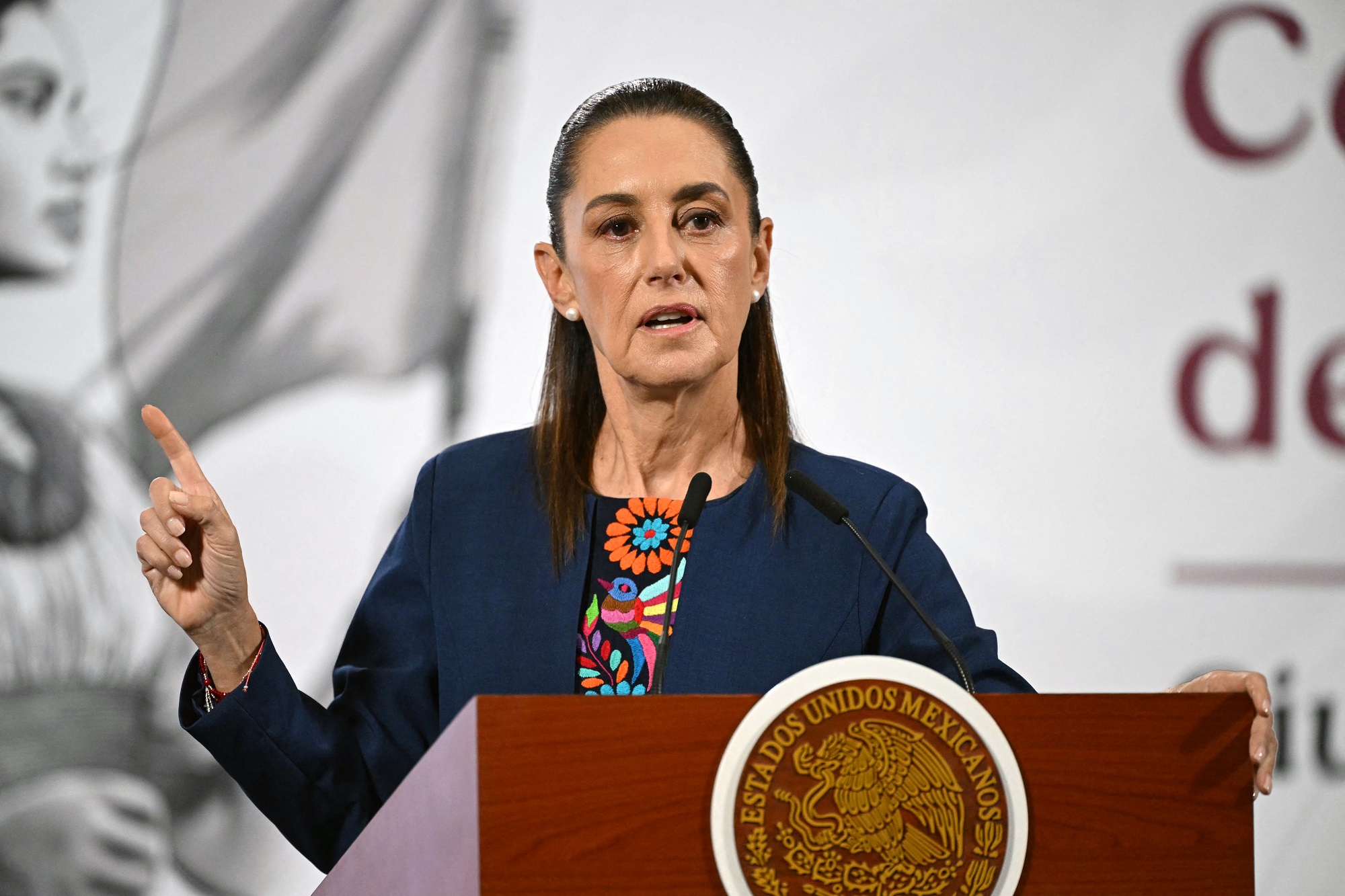
A Temporary Alliance or a New Continental Order?
The critical question is whether this partnership is a marriage of convenience for the 2026 review or the foundation of a permanent shift. Evidence suggests a deeper transformation is underway.
There is active discussion, though in preliminary stages, of formalizing joint initiatives outside the CUSMA framework. These include collaborating on critical minerals processing to reduce dependency on Chinese refining, exploring trilateral green energy corridors, and enhancing digital trade standards. The goal is to build so much connective tissue that the idea of a U.S.-centric “hub and spoke” model becomes obsolete.
“2026 is not just a review; it’s a stress test for the continent’s strategic future,” argues former Mexican trade negotiator Elena Marquez. “Canada and Mexico are signaling that they are co-architects of this space, not merely tenants. If Washington insists on a transactional, zero-sum approach, it will find two partners who have learned to play the game together.”
The Washington Calculus
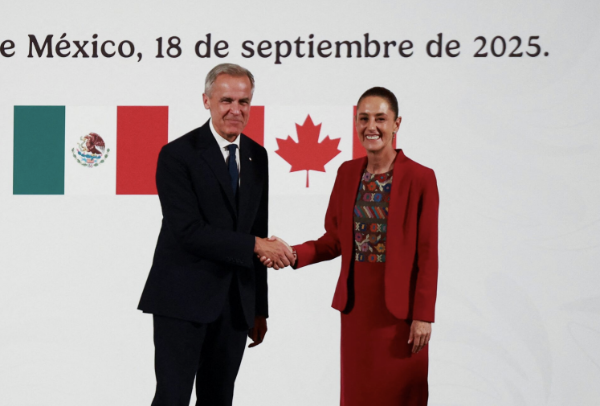
The emerging united front presents Washington with a dilemma. An aggressive, divisive strategy now carries a high risk of failure and could solidify the Canada-Mexico alliance into a permanent feature. It also pushes the two U.S. partners to accelerate their trade diversification efforts with other global blocs, ultimately diluting American influence.
For Prime Minister Carney, this alliance is the practical execution of his doctrine of sovereign resilience. It is not about anti-Americanism, but about ensuring that no single partner can hold a veto over Canadian prosperity. For Mexico, it is a chance to assert its role as an equal partner rather than a low-cost alternative.
As the 2026 deadline approaches, the stage is being set not for a simple renegotiation, but for a fundamental renegotiation of influence. The silent, systematic preparation forming the “Northern Shield” may well ensure that the future of North American trade is no longer written in Washington alone, but drafted in a new, collaborative—and decidedly more balanced—trilogue.