GOP Town Halls Erupt in Boos as Voters Turn on MAGA Lawmakers
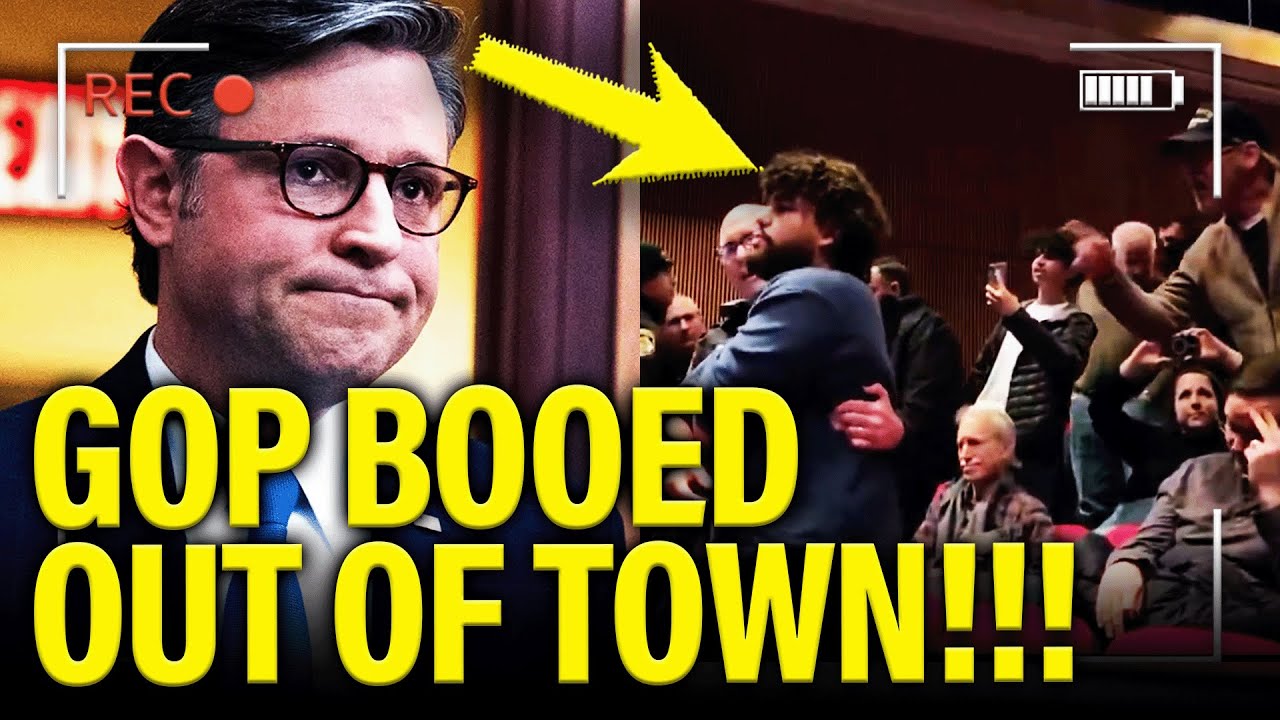
From New York to the Midwest, Republican lawmakers are facing angry crowds, shouted questions, and growing signs of voter backlash as town halls become flashpoints for frustration over Trump-era politics.
What was meant to be a routine town hall in New York’s 17th Congressional District quickly turned into a public rebuke.
Representative Mike Lawler, a Republican who brands himself as a pragmatic moderate, was greeted not with polite applause but with boos, interruptions, and open hostility from constituents. The loudest confrontation came when a U.S. Navy veteran, Roberto Garacano, challenged Lawler directly — and was ultimately removed from the event.
“I’m a veteran. I’m a constituent,” Garacano repeatedly said as security moved in. “Why won’t you answer the question?”
The scene, captured on video and widely circulated online, has become emblematic of a broader pattern unfolding across the country: GOP lawmakers facing angry voters at town halls, many of them former supporters, now demanding accountability on elections, immigration, and the cost of living.
Lawler’s exchange with Garacano struck a particular nerve. As the veteran was escorted out, members of the audience shouted “Shame,” while a local Republican official was heard suggesting that his “immigration papers” be checked — a remark that further inflamed the crowd.
For critics, the moment undercut Lawler’s claims of moderation. Despite his centrist branding, Lawler has voted in lockstep with Donald Trump’s agenda, including supporting election denial rhetoric and hardline immigration policies. At the town hall, he again raised unproven suspicions about California’s election process, saying it “looked fraudulent” even as he admitted he could not prove it.
The reaction was immediate. Boos drowned out parts of his response, and audience members accused him of dodging direct questions. One attendee later summarized the experience bluntly: “If he likes the topic, he talks forever. If he doesn’t, he doesn’t answer at all.”
Similar scenes are playing out nationwide. From suburban districts to deep-red territory, town halls that once served as safe political rituals are now volatile. Voters are pressing lawmakers on inflation, tariffs, health care costs, immigration enforcement, and what many describe as the erosion of democratic norms.
The backlash is not limited to one lawmaker or one state. House Speaker Mike Johnson has faced pointed questions about immigration raids and their moral implications, including challenges grounded in biblical scripture. When asked how mass deportations square with Christian teachings about welcoming the stranger, Johnson launched into a lengthy theological defense of border enforcement, citing Romans and the authority of the state.
That response, too, drew criticism — not just from activists, but from faith leaders and independents who see such arguments as political rationalizations rather than moral clarity.
The anger bubbling up at these events reflects a deeper political shift. While Republican leadership continues to project confidence, cracks are emerging at the grassroots level. Polling shows growing unease among independents and even some Republicans over rising prices, housing costs, and the impact of tariffs on small businesses and farmers.
In Wisconsin, where Democrats see an opening in a critical swing state, former Lieutenant Governor Mandela Barnes is campaigning on that frustration. Barnes, now running for governor, argues that voters are tired of what he calls “cheerleading for Trump” while everyday costs spiral upward.
He points to concrete examples: farmers hit by tariffs, families facing soaring health insurance premiums, and grocery stores closing in low-income neighborhoods after government shutdowns and funding cuts.
“I don’t think people expected this,” Barnes said in a recent interview. “They thought things would get easier. Instead, they’re paying more, earning less, and being told this is a ‘golden age.’ That disconnect is driving people to speak out.”
The results are already visible. In recent special elections, Democrats have overperformed in districts that Trump carried comfortably, signaling volatility ahead of the midterms. Political analysts note that town halls, once carefully stage-managed, are now becoming unscripted referendums on Republican governance.
For GOP lawmakers, the dilemma is acute. Avoid town halls and risk accusations of hiding from voters. Hold them, and risk viral moments that reinforce narratives of disconnect and extremism.
For voters like Garacano, the Navy veteran removed from Lawler’s event, the message is simpler. “We just want answers,” he said afterward. “If they can’t handle questions from the people they represent, that tells you everything.”
As the election cycle accelerates, one thing is clear: the boos echoing through town halls are not isolated outbursts. They are warning signs — and they are growing louder.






