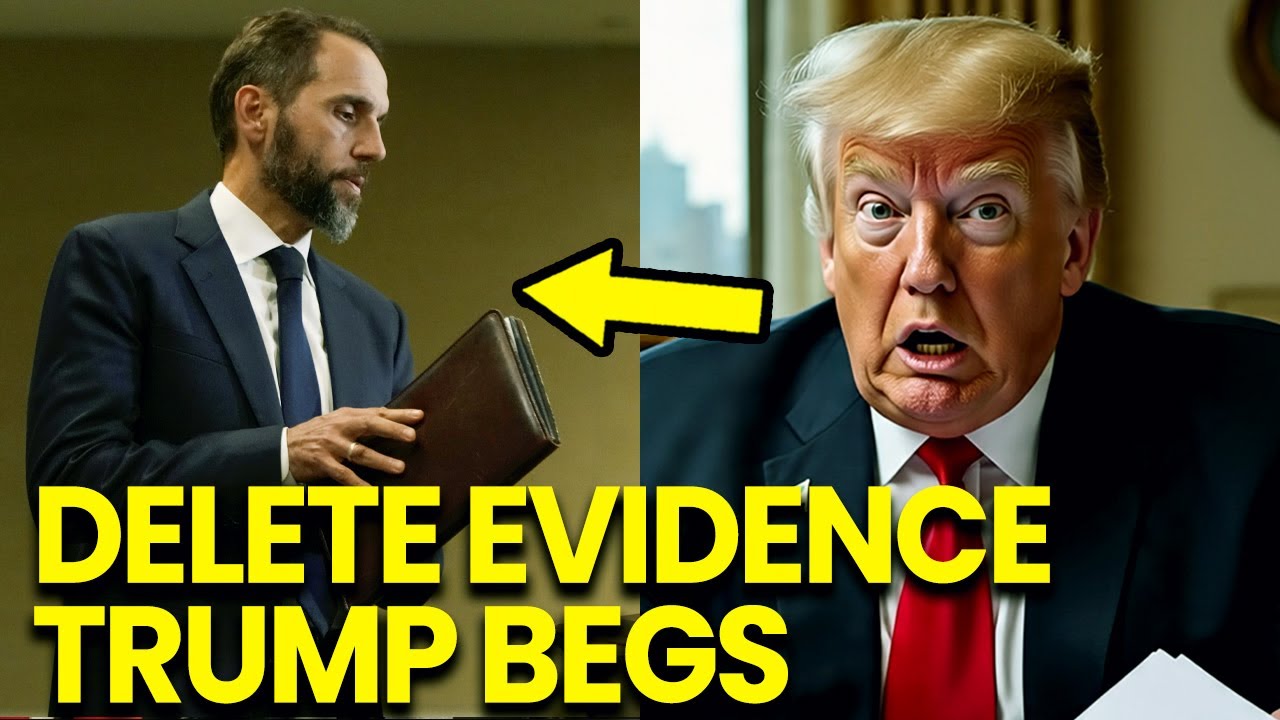
Legal scrutiny surrounding former President Donald Trump has intensified after prosecutors added new charges in the classified documents case, including allegations tied to attempted deletion of surveillance footage at Mar-a-Lago. The updated indictment expands beyond document retention to include possible obstruction-related conduct, according to court filings.
The developments center on claims that individuals working for Trump allegedly discussed removing or deleting security camera data after a subpoena had been issued requesting the footage.
What the New Charges Involve
According to prosecutors, the superseding indictment adds:
-
Additional counts related to willful retention of classified documents
-
Obstruction-related charges tied to an alleged effort to delete security server footage
-
Allegations involving attempts to alter or conceal records after a legal preservation request
Court documents state that after a subpoena was issued for security video, an IT staff member was allegedly approached about how long footage was stored and whether servers could be deleted. The employee reportedly did not carry out the request, and investigators later obtained the footage.
Trump has pleaded not guilty and has repeatedly denied wrongdoing, calling the investigation politically motivated.
Why Surveillance Footage Became Central
Prosecutors say the requested surveillance footage shows boxes of documents being moved in and out of storage areas. They argue this is relevant to questions about document handling and compliance with federal requests.
Legal experts note that once a subpoena is issued, there is a legal duty to preserve requested evidence. Any attempt to destroy or alter materials after that point can potentially form the basis for obstruction charges — even if the deletion effort fails.
Defense attorneys for Trump and his associates dispute the characterization of events and challenge the prosecution’s interpretation.

Separate Controversy Over Missing January 6 Text Messages
The transcript also references a separate controversy involving missing Secret Service and Defense Department text messages connected to the January 5–6, 2021 period. Government agencies have said some messages were lost during device replacement programs, while oversight bodies have questioned whether record-keeping rules were properly followed.
Multiple watchdog groups and congressional investigators have sought clarification on:
-
Timing of device wipes
-
Preservation policies
-
Compliance with federal records laws
These matters are being reviewed through oversight channels and do not currently constitute criminal findings by themselves.
Legal Significance of Obstruction Allegations
Former federal prosecutors say obstruction-related allegations can be legally serious because they focus on actions taken after awareness of an investigation. In many cases, courts evaluate:
-
Whether a preservation order or subpoena existed
-
Whether deletion or concealment was attempted
-
Whether intent can be established
However, intent must be proven in court, and allegations alone do not determine guilt.
Current Status of the Case
-
Trump has pleaded not guilty to all charges
-
His legal team denies any order to delete evidence
-
Prosecutors say they recovered key materials despite alleged deletion attempts
-
The case continues through federal court proceedings
No final legal judgment has been reached, and all defendants are presumed innocent unless proven guilty in court.