The Silence That Echoed: A Fictional IQ Challenge and the Anatomy of a Viral Political Fiction
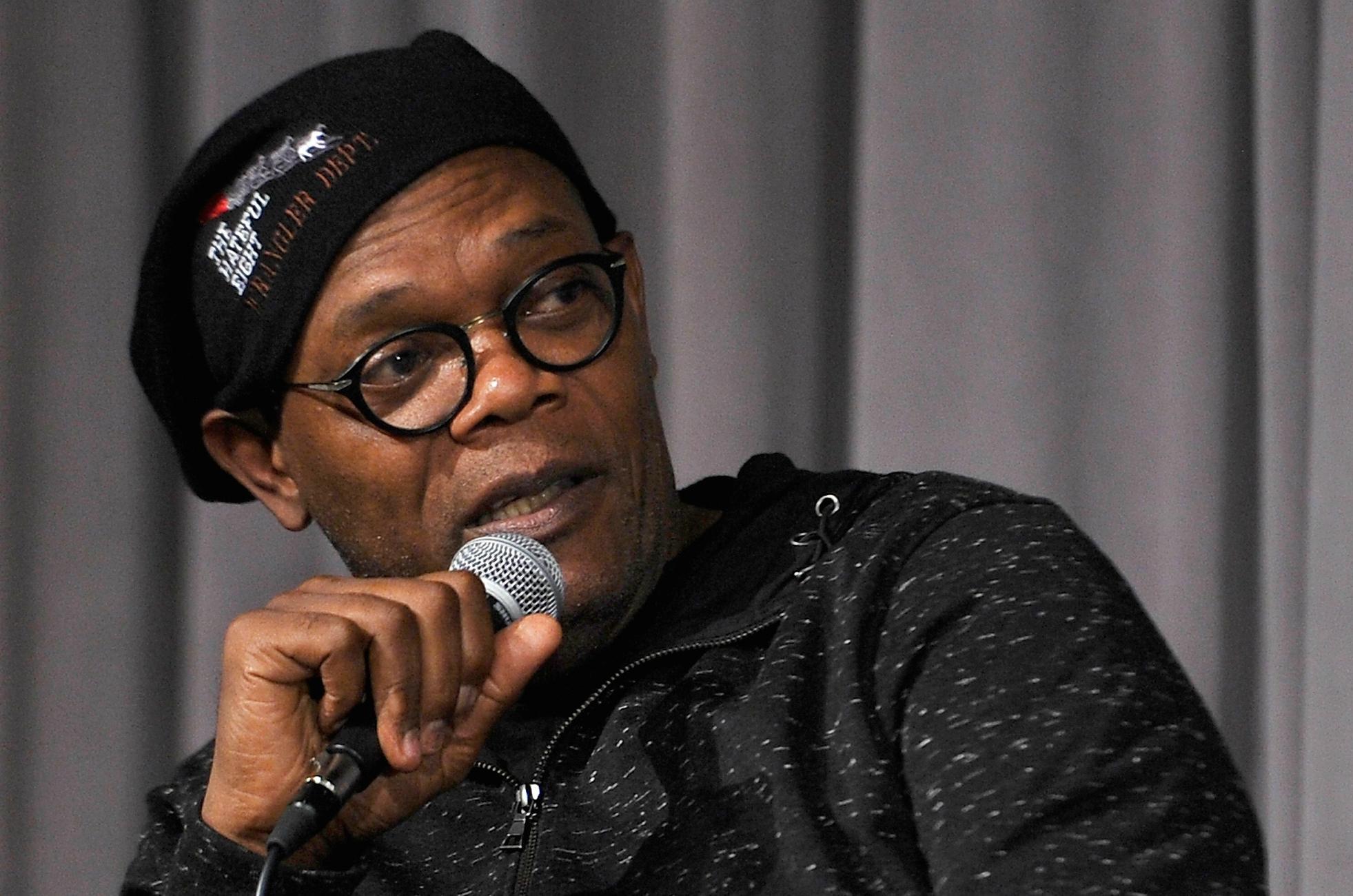
In the relentless, high-velocity churn of the modern media landscape, where the line between news and entertainment grows ever more indistinct, a new and utterly fabricated narrative detonated across social platforms last night. An explosive, all-caps headline purported to document a televised cataclysm: former President Donald Trump demanding an on-air IQ test, only to be eviscerated by a single, calm question from actor Samuel L. Jackson, resulting in an “agonizing, eternity-like 13 seconds of dead silence.” The story, a complete work of fiction, spread with incendiary speed, serving not as a report of an actual event, but as a revealing Rorschach test of our political discourse and the powerful allure of symbolic wish-fulfillment in digital form.
The narrative, crafted with the precision of a viral screenplay, hit every resonant beat. It began with a familiar archetype: “Trump’s Arrogant IQ Test Demand,” tapping into long-standing public perceptions of the former president’s self-regard. The setting—a late-night show—provided a stage for unscripted confrontation. The entry of Samuel L. Jackson, an icon known for a potent, no-nonsense persona, cast him as the perfect narrative avenger. The climax was not a shouted insult, but a “calm, razor-sharp” query followed by the ultimate weapon in the age of constant noise: profound, “excruciating” silence. The aftermath, described with phrases like “career-shattering freeze-out” and “deer-in-headlights terror,” painted the picture of a definitive, un-rebuttable humiliation.

Despite bearing zero hallmarks of factual reporting—no named show, network, or eyewitnesses, and an event of such magnitude conspicuously absent from all broadcast schedules and credible news outlets—the story achieved viral liftoff. Within minutes, “Samuel L. Jackson’s ultimate, legendary takedown” trended globally. Forged video clips and AI-generated audio snippets began to circulate, muddying the waters further. The public reaction fractured predictably along partisan lines: many of Trump’s detractors celebrated the narrative as a long-awaited comeuppance, a symbolic victory so perfect it felt true, regardless of its factual basis. His supporters, meanwhile, immediately and correctly dismissed it as “fake news,” another example of a malicious, media-driven fantasy designed to mock their figurehead.
This episode is not an anomaly but a case study in 21st-century political mythology. It functions as a modern-day digital folktale, where deep-seated cultural and political desires are projected onto a plausible-enough canvas. The story’s power derives from its symbolic efficiency: it inverts a perceived weakness (alleged intellectual insecurity) into the very mechanism of downfall, and it uses a revered cultural figure to administer the justice that the political process has not. It is a fantasy of definitive, televised defeat where words, or their absence, alone can “shatter an empire.”
Media analysts point to the incident as a watershed moment in the evolution of disinformation. “We’ve moved beyond fabricated quotes or doctored photos,” notes Dr. Anya Petrova, a researcher on digital rhetoric. “We are now in the era of fabricated events—complete narrative arcs that are consumed and disseminated not as factual reports, but as illustrative parables. The truth of whether it happened is, to a disturbing segment of the audience, secondary to the truth of what it means about its subject.”
The fallout is a further erosion of shared reality. The frenzy forces legitimate outlets to debunk a non-event, draining resources and attention. It entrenches cynicism, with each side accusing the other of manipulation. For Trump, the fiction, though false, becomes another data point in his narrative of being perpetually persecuted by a corrupt media ecosystem, potentially energizing his base. For the public sphere, it represents a chilling acceleration: if a meticulously detailed, entirely fake televised meltdown can command global attention for hours, what anchor for fact remains?
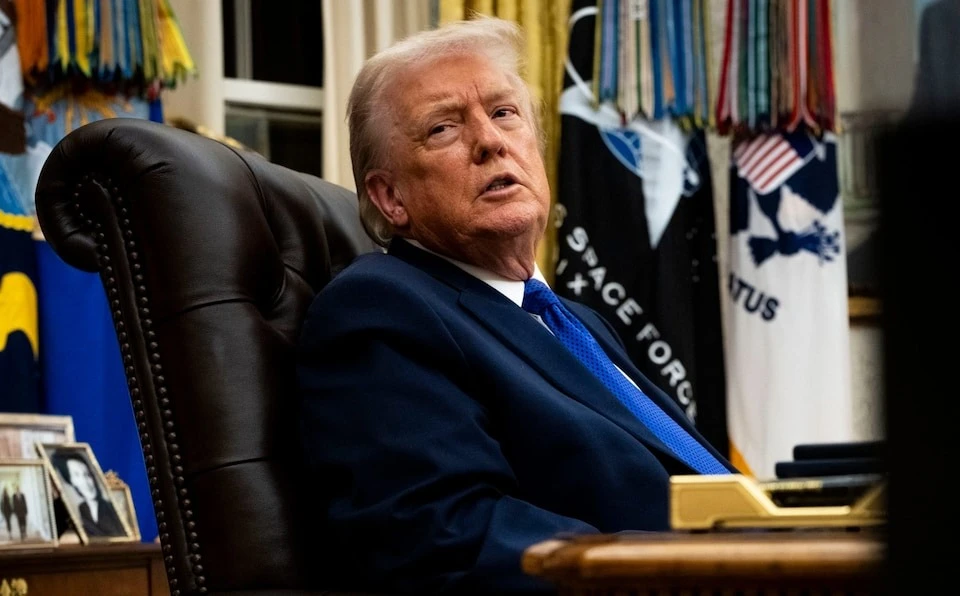
In the end, the most lasting impact of “the 13-second silence” may be its demonstration of pure narrative power. No one stormed a stage. Samuel L. Jackson asked no devastating question. Donald Trump did not freeze in humiliated panic on live television. And yet, for millions, the story resonated as a profound and satisfying event. It underscores a dangerous new reality: in today’s attention economy, a perfectly crafted fiction can achieve a cultural resonance that often outstrips complex, messy truth. The silence that echoed around the world was not one of a man stunned speechless, but the sound of critical judgment being drowned out by the roar of a story we wished were true.