By XAMXAM
In Washington, silence can speak as loudly as a ruling. That was the lesson many legal analysts drew this week after the Supreme Court of the United States declined to intervene in an emergency request tied to ongoing criminal proceedings involving Donald Trump. The unsigned, one-page order—issued without explanation—did not resolve the underlying case. But by leaving lower-court decisions intact, it accelerated a procedural clock that Trump and his advisers had hoped to slow.
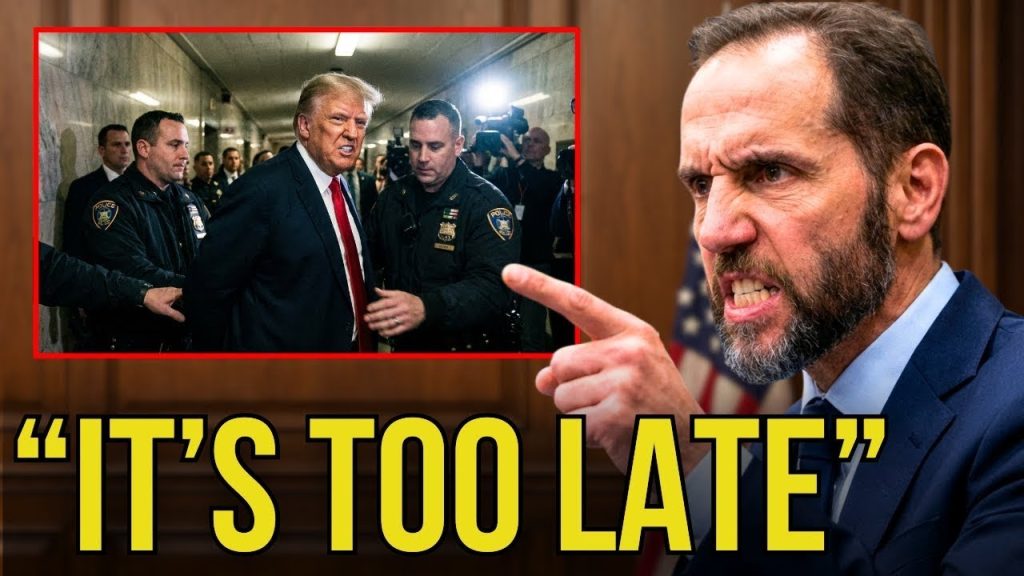
The Court’s action was narrow, technical, and easily misunderstood. It did not affirm guilt, set a sentence, or rule on presidential immunity. Instead, it denied emergency relief sought after two lower courts had already reached the same conclusion. Yet in the highly charged context of Trump’s legal battles, the denial carried symbolic weight: the justices declined to create a special procedural off-ramp, even for a former president.
At issue was a request commonly known as bail pending appeal—an extraordinary remedy that allows a convicted defendant to remain free while appellate courts review the case. Federal law sets a high bar. Defendants must show not only that their appeal raises substantial legal questions likely to result in reversal or a new trial, but also that incarceration during the appeal would cause irreparable harm that could not be remedied later.
Three courts examined those claims. All three said no.
The Supreme Court’s refusal to step in followed denials by the trial court and the federal appeals court. By the time the emergency application reached the justices, the arguments were familiar, the record well developed, and the standard exacting. In that sense, the order fit a long-standing institutional pattern: emergency applications are routinely denied without comment when the Court sees no reason to disturb lower-court judgments.
Still, the moment landed with force because of who the defendant is and what the case represents. Trump, who returned to office after winning the 2024 election, has repeatedly portrayed his legal troubles as politically motivated. His administration moved quickly to halt federal prosecutions, and Trump declared himself vindicated. The emergency application was widely seen by his critics as a last attempt to preserve that narrative of total victory.
Instead, the denial underscored a different reality. Convictions, once entered, trigger automatic consequences unless courts intervene. When emergency relief is denied, trial courts may issue commitment orders setting deadlines for self-surrender. Appeals continue, briefs are filed, and oral arguments are scheduled—but incarceration can proceed in parallel.
That procedural fact has fueled headlines suggesting imminent imprisonment. Legal experts urge caution. The Supreme Court’s order does not itself send Trump to prison. It does, however, remove one of the final barriers to enforcement of existing court orders. What happens next depends on the timing and terms set by the trial court, as well as any additional motions filed by Trump’s lawyers.
The case also carries broader implications for how the justice system treats former presidents. Trump’s legal team has argued that his unique status warrants special consideration, particularly while appellate courts consider unresolved questions about presidential immunity. Those arguments remain alive on appeal. But the bail decision addressed a narrower point: whether that status alone justifies different treatment under standard post-conviction procedures.
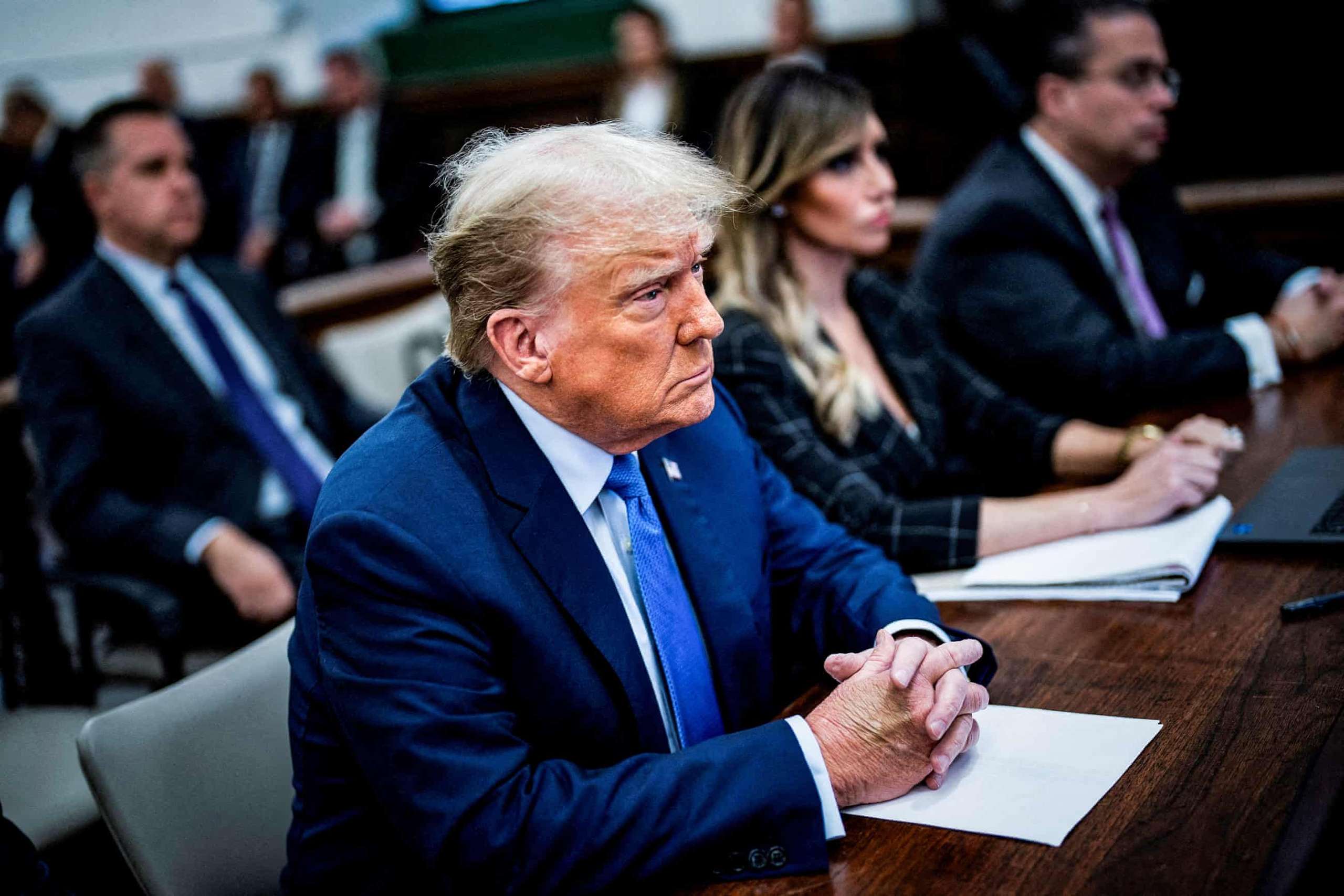
So far, three courts have answered in the negative.
For prosecutors, including those who previously worked under Jack Smith, the sequence of denials reinforces a familiar principle of federal practice. Bail pending appeal is the exception, not the rule. Courts grant it when they see clear indicators of reversible error—misapplied law, flawed jury instructions, or evidentiary rulings that undermine the verdict. Consecutive denials suggest skepticism about the likelihood of success, though they do not foreclose it.
Trump’s supporters see the episode differently. They argue that the Court’s silence reflects avoidance, not judgment, and insist that the underlying constitutional questions remain unresolved. In their view, emergency relief was denied not because the arguments lack merit, but because the Court prefers to address such issues through the normal appellate process rather than in expedited form.
Both interpretations contain elements of truth. Denials of emergency applications do not create binding precedent or explain the justices’ reasoning. But they do shape reality. By declining to act, the Court allows existing orders to take effect and signals that ordinary procedures apply unless and until it says otherwise.
Politically, the timing is delicate. With midterm elections approaching, Republicans are eager to keep the focus on policy and economic performance. A president navigating active criminal appeals complicates that effort. Democrats, meanwhile, have largely avoided triumphalist rhetoric, framing the Court’s action as evidence that institutions are functioning as designed.
What is undeniable is that the Supreme Court’s refusal to intervene has narrowed Trump’s options. The appeals will move forward on their own schedule, likely over many months. In the meantime, the practical consequences of a conviction—once theoretical—have become more immediate.
For a legal system often accused of bending under political pressure, the episode offers a counter-narrative. The same standards applied to other defendants were applied here, without carve-outs or commentary. Whether that outcome ultimately strengthens public confidence or deepens polarization remains to be seen.
In the short term, the Court’s silence has done what no speech or ruling could: it has shifted the terrain from abstract debates about immunity to concrete questions about procedure, timing, and consequence. For Trump, who has long thrived in the realm of spectacle, the most consequential development may be the absence of spectacle altogether—a quiet order, a closed door, and a process moving forward without him at the center of the stage.