The global backlash against President Donald J. Trump has intensified in recent weeks, crystallizing around a pointed slogan that has spread rapidly across social media and streets in Europe and beyond: “Make America Go Away.”
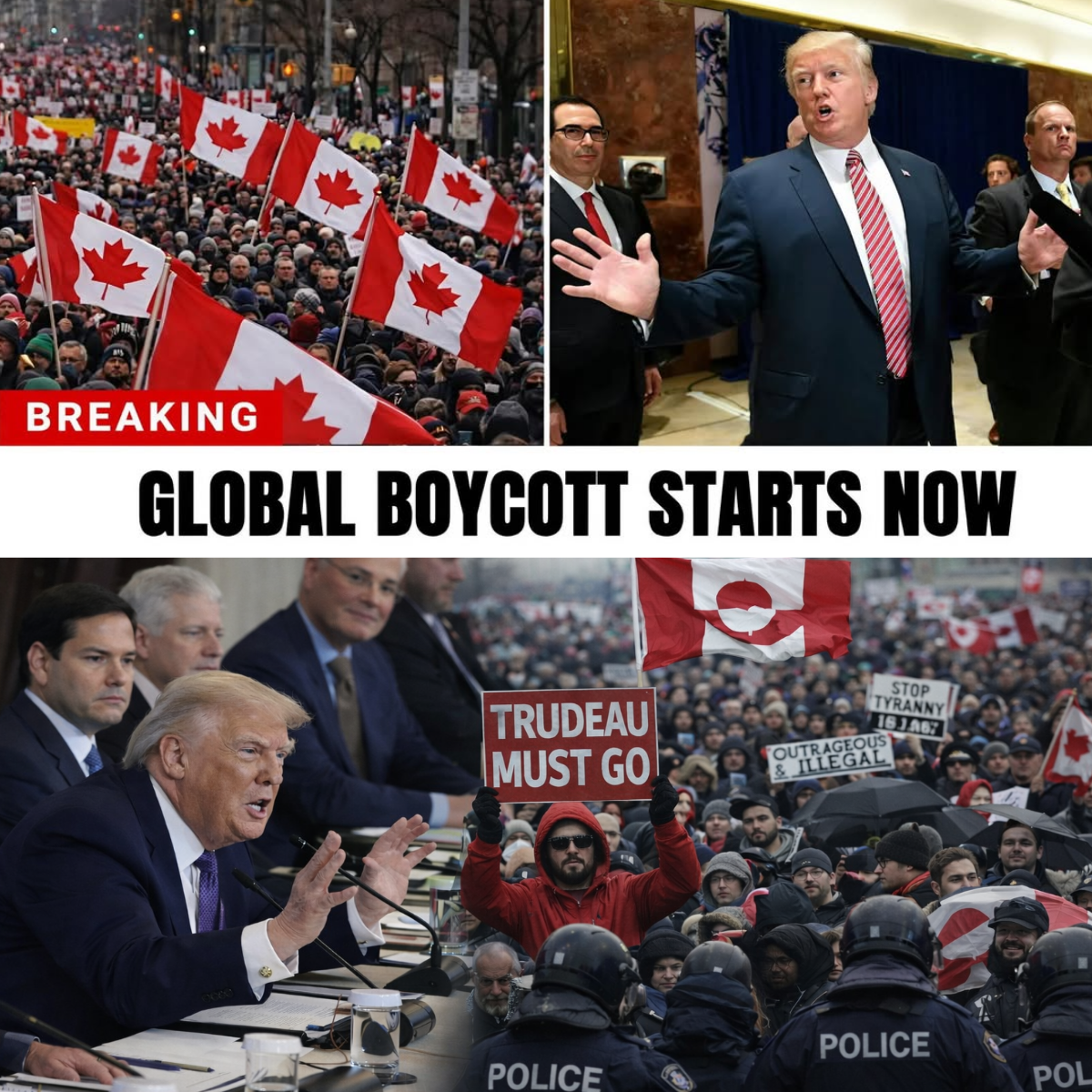
What began as a sharp parody of Trump’s signature “Make America Great Again” campaign mantra has evolved into a symbol of widespread international frustration with his administration’s aggressive foreign policy posture. The phrase first gained traction in Denmark and Greenland amid renewed discussions over the strategic Arctic territory, where Trump has repeatedly expressed interest in American acquisition or control. Protesters in Copenhagen donned red baseball caps emblazoned with the words, turning a familiar piece of political merchandise into a badge of defiance.
A Slogan Born of Diplomatic Tension
The current wave traces its roots to early 2026, when Trump’s comments on Greenland reignited old tensions with Denmark, the territory’s sovereign power. Reports of potential U.S. interest in purchasing or asserting influence over the vast, resource-rich island prompted large-scale demonstrations in Copenhagen and Nuuk. Vendors quickly capitalized on the sentiment, producing and selling out limited runs of the spoof hats, often paired with Danish phrases like “Nu det Nuuk!” — a play on “enough is enough” that substituted Greenland’s capital for emphasis.
The caps, featuring the Greenland flag alongside “Make America Go Away,” became instant fixtures at rallies. One Copenhagen shop owner described demand surging after viral photos from protests circulated online, with sales exhausting stock within hours. The movement tapped into broader unease over perceived American overreach, especially as Trump’s rhetoric emphasized territorial and economic dominance in the Arctic region.
From Parody to Broader Boycott Calls
The slogan has since transcended its origins, appearing in online campaigns, memes, and public statements criticizing various aspects of U.S. policy under Trump. Social media platforms have seen the hashtag explode, with mentions climbing into the millions as users from Europe, Asia, and Latin America shared videos of discarded American products, boycotted brands, and satirical edits mocking U.S. influence.
In some accounts, the phrase has been linked to informal consumer actions: apps tracking “non-American” goods have seen downloads rise in certain markets, while anecdotal reports describe empty shelves for select U.S. imports in Scandinavian stores. Though no coordinated international governmental boycott has been formally announced, the organic spread reflects a growing cultural rejection. Celebrities and influencers have amplified the message through posts and statements, framing it as a response to perceived isolationism and unilateralism from Washington.
Insiders close to the administration have described Trump closely monitoring the developments, with aides noting his frustration as allies in Europe and elsewhere appeared to distance themselves publicly. Social media responses from the president and his circle have grown more combative, often dismissing the backlash as orchestrated or exaggerated.
Echoes of Past Global Reactions
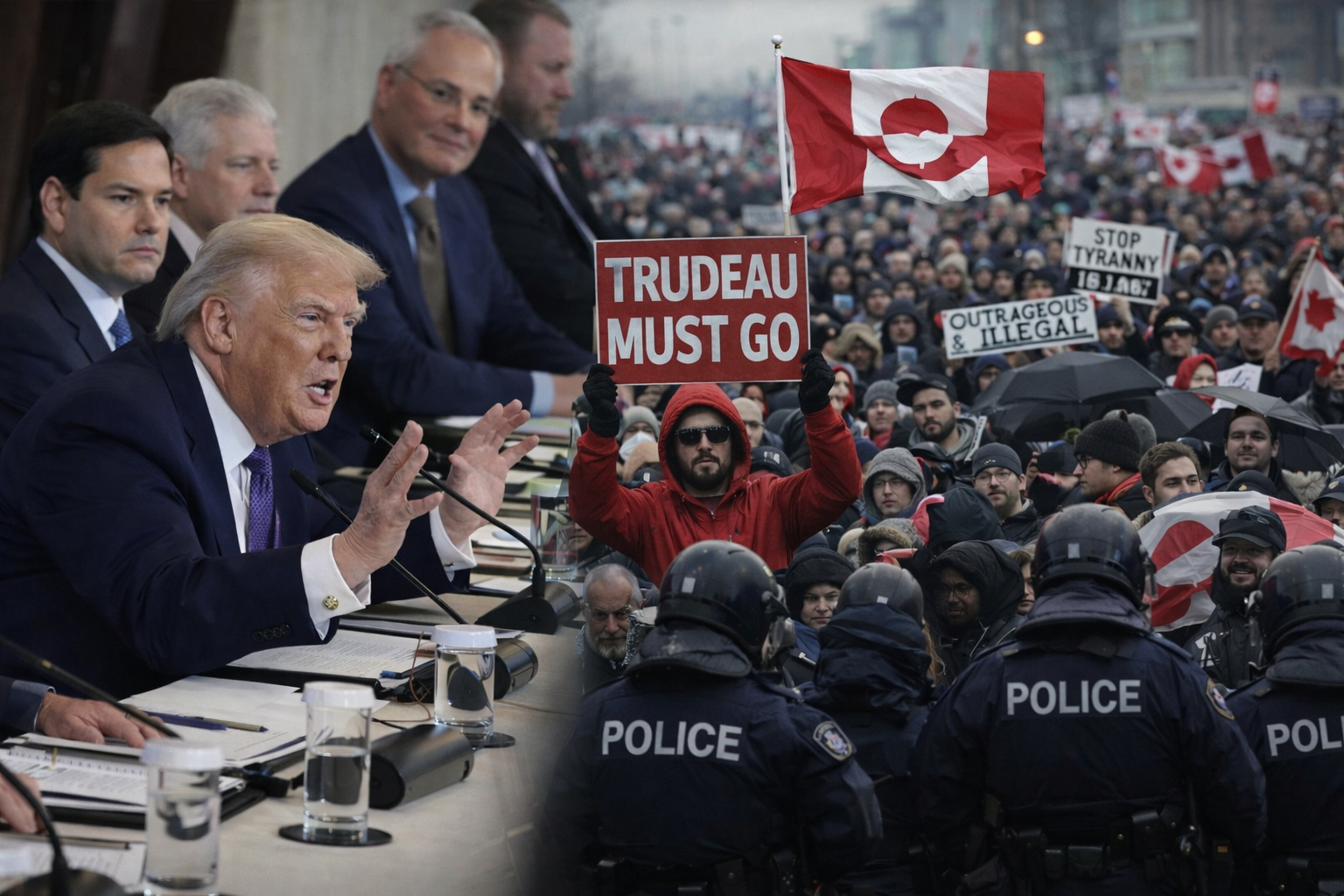
This is not the first time Trump’s approach to international relations has provoked widespread pushback. During his first term, similar sentiments emerged over trade wars, climate policy withdrawals, and NATO criticisms. The current iteration feels more visceral, fueled by real-time digital amplification and a post-pandemic world more attuned to supply-chain vulnerabilities and geopolitical symbolism.
Diplomatic observers note that while the boycott remains largely symbolic and consumer-driven, its momentum could complicate U.S. efforts to rally partners on issues like Arctic security or countering other global powers. In Denmark, the response has mixed humor — orange-hued “moron cakes” sold out in bakeries — with serious concern over strained transatlantic ties.
The Question Lingering Worldwide
As the slogan continues to circulate, the central question persists: whether this moment represents a temporary flare-up of anti-American sentiment or a more lasting shift in how the world views U.S. leadership under Trump. The parody hats and viral clips serve as visible markers of discontent, but their long-term impact on diplomacy, trade, and America’s soft power remains uncertain.
For now, “Make America Go Away” stands as a stark, ironic inversion of a once-dominant political brand — a reminder that global opinion can turn as swiftly as a trending hashtag. In the streets of Copenhagen and the feeds of millions, the message is clear: for many abroad, the current chapter of American exceptionalism has worn thin






