ProPublica Identifies Federal Agents in Minneapolis Shooting, Intensifying Scrutiny of ICE and the Trump Administration
By Staff Writer
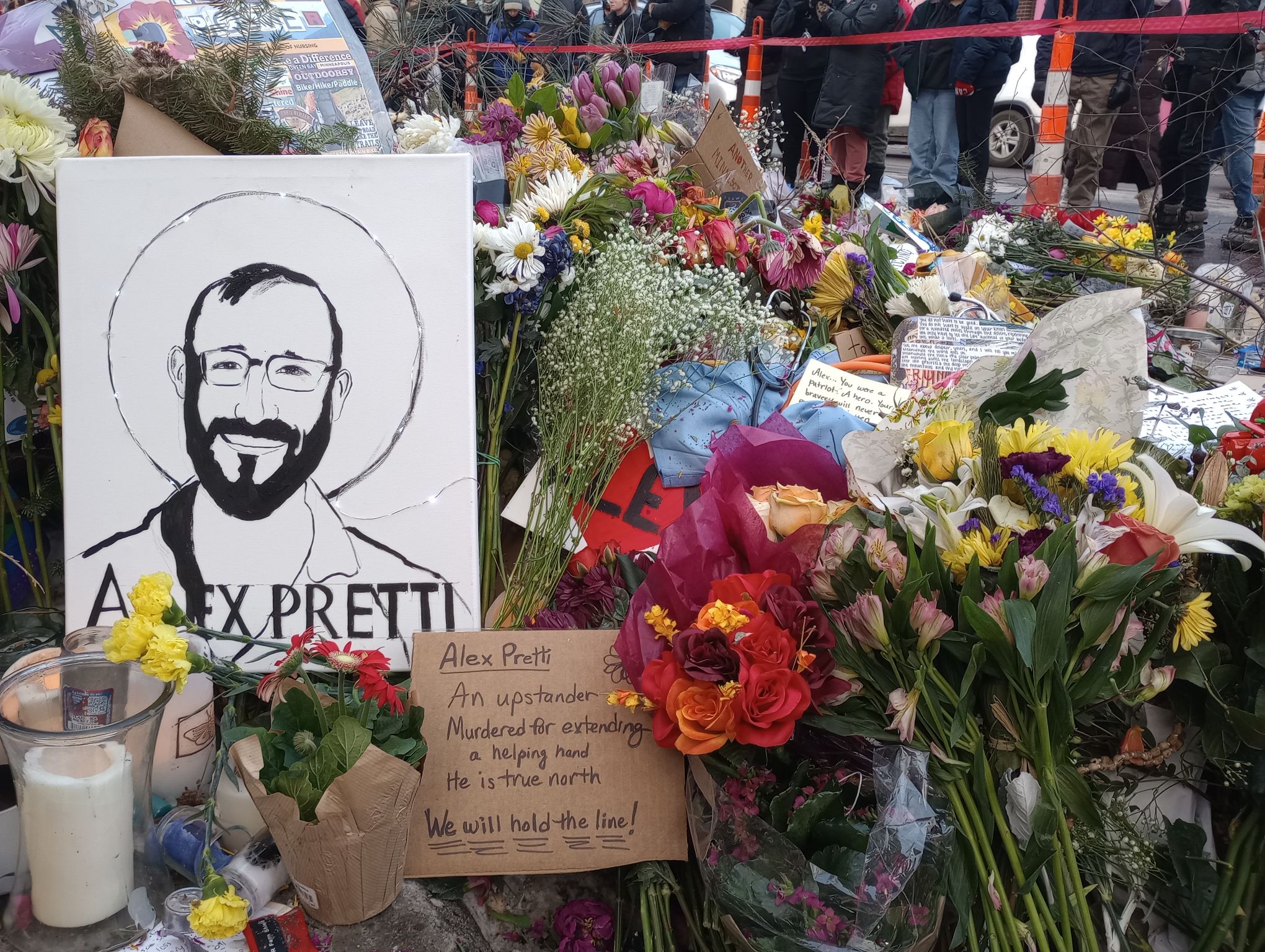
MINNEAPOLIS — The identities of two federal immigration agents involved in the fatal shooting of a Minneapolis protester have been confirmed by ProPublica, deepening national scrutiny of U.S. immigration enforcement tactics and fueling calls for transparency, accountability, and reform across multiple levels of government.
According to ProPublica’s reporting, the two officers who fired their weapons during a January encounter that left Alex Prey, a 37-year-old intensive care unit nurse at a Veterans Affairs hospital, dead were identified in government records as a Border Patrol agent and a Customs and Border Protection officer assigned to a special response team. The shooting, which occurred amid a surge of immigration enforcement operations in Minneapolis, has prompted protests, congressional inquiries, and a civil-rights investigation by the Justice Department.
Federal authorities have confirmed that the officers have been placed on administrative leave. The Department of Homeland Security, which oversees both Immigration and Customs Enforcement and Customs and Border Protection, has declined to publicly name the agents, citing the ongoing investigation. The Federal Bureau of Investigation has also declined to comment.
A City on Edge
The shooting of Mr. Prey came during a period of heightened enforcement activity under a federal initiative known as “Operation Metro Surge,” launched late last year and designed to increase immigration arrests in major U.S. cities. In Minneapolis, the operation quickly became controversial as masked agents conducted arrests in residential neighborhoods and near schools, sparking clashes with residents and activists.
Local officials say the atmosphere has grown increasingly tense. “People are frightened,” said one city council member, who requested anonymity to speak candidly about the situation. “There is a perception that heavily armed federal agents are operating with little oversight.”
That perception has been amplified by social media, where videos of immigration arrests — some involving individuals later found to have no criminal records — have circulated widely. Civil-rights advocates argue that the lack of visible identification on agents’ uniforms and the limited information released after use-of-force incidents undermine public trust.
Conflicting Narratives About Enforcement
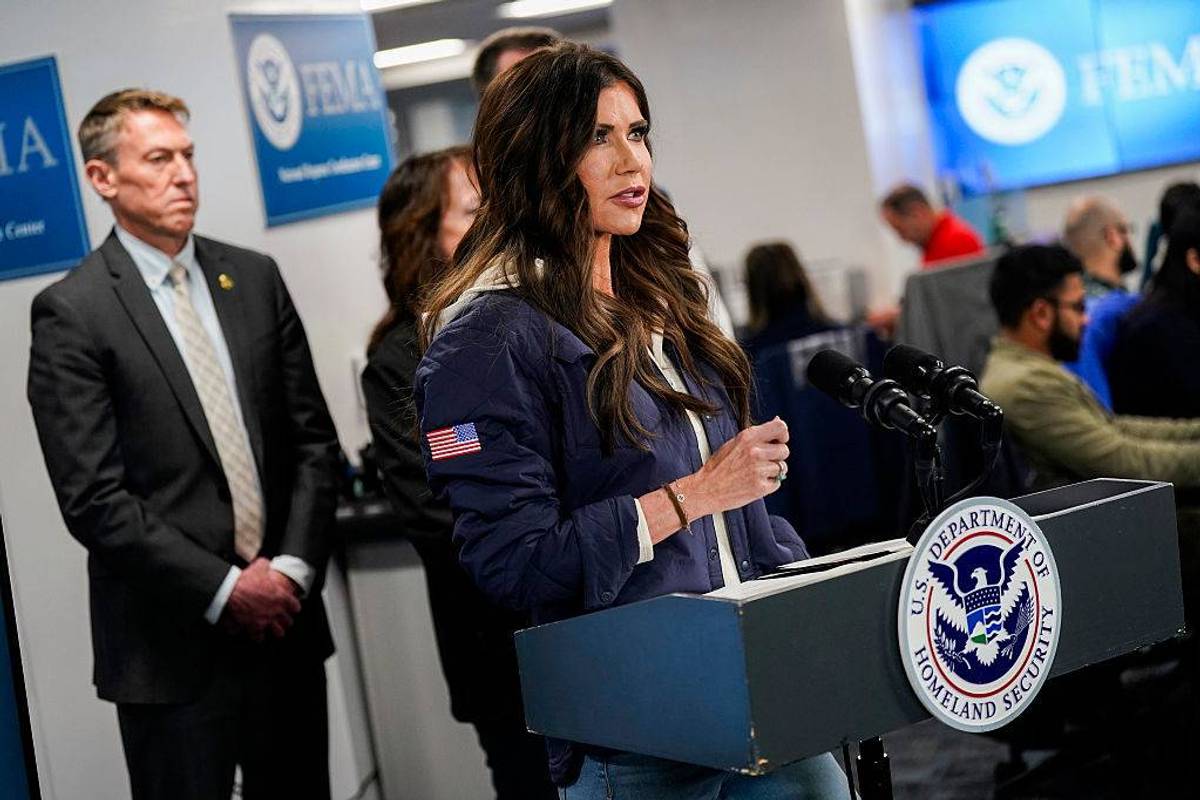
The administration of Donald Trump has repeatedly asserted that federal immigration agencies are focused on detaining individuals who pose public-safety threats. Department of Homeland Security officials have said that a majority of those arrested in recent operations had prior encounters with the criminal justice system.
Critics dispute that claim. Senator Chris Murphy, appearing recently on Fox News, cited DHS data suggesting that a large share of detainees had no criminal convictions. “The idea that this is narrowly targeted enforcement just doesn’t square with what communities are seeing,” Mr. Murphy said, calling for tighter limits on federal operations in cities.
Independent analyses by academic researchers and immigration policy groups have similarly found that civil immigration arrests often involve individuals with minor offenses or no criminal history, particularly in large-scale sweeps.
The ProPublica Findings
ProPublica reported that the two agents involved in the Minneapolis shooting had each spent years within federal immigration agencies, including assignments to high-risk operations. Government records reviewed by the outlet show that both were deployed to Minneapolis from South Texas as part of the surge operation.
The newsroom also reported that federal agencies have not disclosed whether body-camera footage exists or has been shared with investigators. Law-enforcement experts note that while some federal agents are equipped with body cameras, policies governing their use and public release vary widely.
“This is precisely why transparency matters,” said a former Justice Department official. “When the government withholds basic facts, it invites speculation and erodes confidence in the investigation.”
Political Fallout in Minnesota and Washington
The shooting has prompted bipartisan calls for an independent inquiry. Members of Minnesota’s congressional delegation have urged federal authorities to release more information, while state officials have emphasized that any criminal investigation would fall under federal jurisdiction unless evidence supports state charges.
Governor Tim Walz has said he is monitoring the situation closely and has called for cooperation between state and federal investigators. Attorney General Keith Ellison has similarly emphasized the need for a thorough and transparent process.
At the federal level, the Justice Department confirmed that its civil-rights division is reviewing the incident. Such investigations can take months and do not necessarily result in criminal charges, a reality that has frustrated activists demanding swift action.
Broader Questions About ICE
Beyond the specifics of the Minneapolis case, the episode has reignited debate over the role and structure of Immigration and Customs Enforcement. Progressive lawmakers and advocacy groups have renewed calls to limit or fundamentally restructure the agency, arguing that its enforcement-first mandate has led to repeated violations of civil liberties.
Conservative lawmakers counter that dismantling or weakening ICE would undermine border security and immigration law enforcement. “We can and should hold individuals accountable when misconduct occurs,” said one Republican senator. “But abolishing an entire agency is not a serious solution.”
Public opinion appears divided. Recent national polls show skepticism about aggressive enforcement tactics but continued support for some form of federal immigration control. How those views translate into policy remains uncertain, particularly as immigration is poised to be a central issue in the coming election cycle.
Journalism and Accountability
The ProPublica investigation has drawn praise from press-freedom organizations, which say the reporting underscores the role of investigative journalism in scrutinizing government power. In recent months, journalists covering immigration enforcement have faced increased hostility online and, in some cases, legal threats from officials who accuse them of bias.
“Identifying public officials involved in the use of deadly force is a core function of the press,” said the director of a media-rights nonprofit. “Without that reporting, accountability becomes almost impossible.”
What Comes Next
As investigations proceed, Minneapolis remains a focal point in a national debate over immigration enforcement, civil rights, and the balance of power between federal agencies and local communities. For the family of Alex Prey, the process is painfully slow.
“This is about answers,” said a family spokesperson. “We want to know what happened, why it happened, and how to make sure it doesn’t happen again.”
Whether the Minneapolis shooting becomes a turning point for federal immigration policy or another flashpoint in an already polarized debate may depend on what investigators ultimately find — and how much the government is willing to disclose. For now, the case stands as a stark reminder that immigration enforcement, once largely confined to the border, has become a defining and deeply contested feature of life far from it.






