A scenario unprecedented in modern U.S. history has just unfolded: veteran 4-star generals and admirals have openly and directly confronted President Donald Trump. No longer confined to hushed debates within the Oval Office, this has become a public legal and constitutional battle over mandates that military leaders are explicitly calling “illegal”.
Below is a detailed report on the flashpoint of the constitutional crisis currently shaking the nation.

1. The Spark: “The Enemy Within” and Urban Militarization Ambitions
The conflict ignited when President Trump issued shocking statements demanding that the U.S. military focus its efforts on attacking what he termed “the enemy within”.
-
Turning Cities into Battlefields: Trump publicly declared his intent to use the military in major cities such as Chicago, Los Angeles, and Portland, treating them as “training grounds” for a new form of warfare.
-
Imposed Mandates: The President insisted he would move troops into Chicago “very soon” to “straighten things out,” despite fierce opposition from governors and local officials.
-
Breaking Tradition: This move directly challenges the Posse Comitatus Act of 1878, which strictly prohibits the federal military from participating in domestic civilian law enforcement.
2. The Revolt of the “Brass”

Never before has the American military elite reacted with such force. A group of 4-star generals and retired admirals collectively signed an amicus brief to warn of the potentially lethal risks.
-
Grave Risks: The generals asserted that deploying troops into states like California and Illinois poses a “grave risk” to soldiers, civilians, and constitutional norms.
-
The Oath to the Constitution: They emphasized that soldiers swear an oath to defend the Constitution, not to offer blind obedience to an individual president. According to a survey conducted in August, 80% of troops understand they have a duty to disobey illegal orders.
-
Face-to-Face Confrontation: Military leaders are not just objecting politically; they are accusing Trump of violating federal law by attempting to use the National Guard as a personal police force.
3. The Legal Front: 23 States “Declare War” on the White House
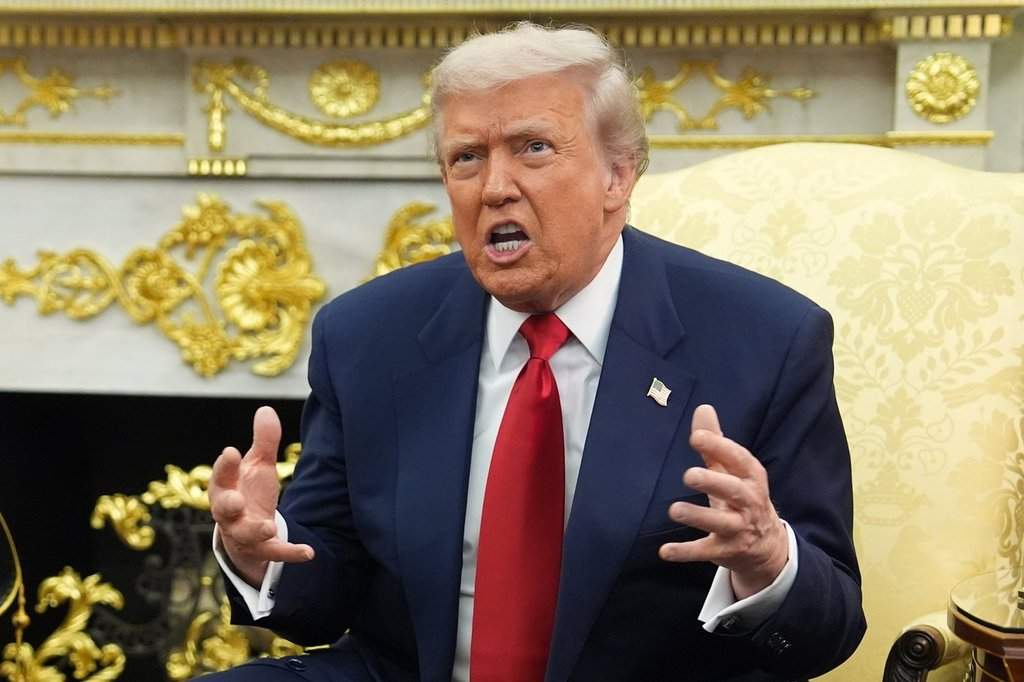
The conflict has moved far beyond rhetoric. As of early October, Attorneys General from 23 states have filed lawsuits against the Trump administration.
-
Court Rulings: In Los Angeles, a federal judge ruled that Trump’s deployment of the National Guard was “illegal” and violated regulations restricting the military from domestic law enforcement.
-
Alliance Against Overreach: Nearly half the country is siding with the generals, asserting that the President cannot override state sovereignty.
-
Power Crisis: The central question remains: Does the President hold supreme power, or is the Constitution paramount? The answers coming from the courts are pushing the White House into a corner.
4. Consequences for the Future of America

If Trump prevails in this battle, the President’s power over the military would expand to an unprecedented degree, setting a precedent for the future militarization of politics.
-
A Dangerous Precedent: Once the use of the military against states becomes normalized, the line between civilian and military spheres will be blurred forever.
-
Division Within the Ranks: Soldiers are being placed in an impossible position between the orders of their Commander-in-Chief and their oath to uphold the law. This poses a direct threat to the unity and professionalism of the U.S. Armed Forces.
-
The 2026 Electorate: This debate is deeply polarizing American public opinion ahead of the primary elections, forcing every candidate to choose between “presidential power” and “state sovereignty”.
Conclusion: A Test of Democracy
America is witnessing the harshest test of its system of checks and balances. When 4-star generals are willing to risk their careers to say “No” to the President, it is a sign that the constitutional crisis has reached its zenith.
Donald Trump may continue to push his mandates, but he is facing a steel wall built from the law and the military’s loyalty to the Constitution.