Clintons Seek Public Testimony in Epstein Inquiry, Complicating Trump’s Push to Target Democrats
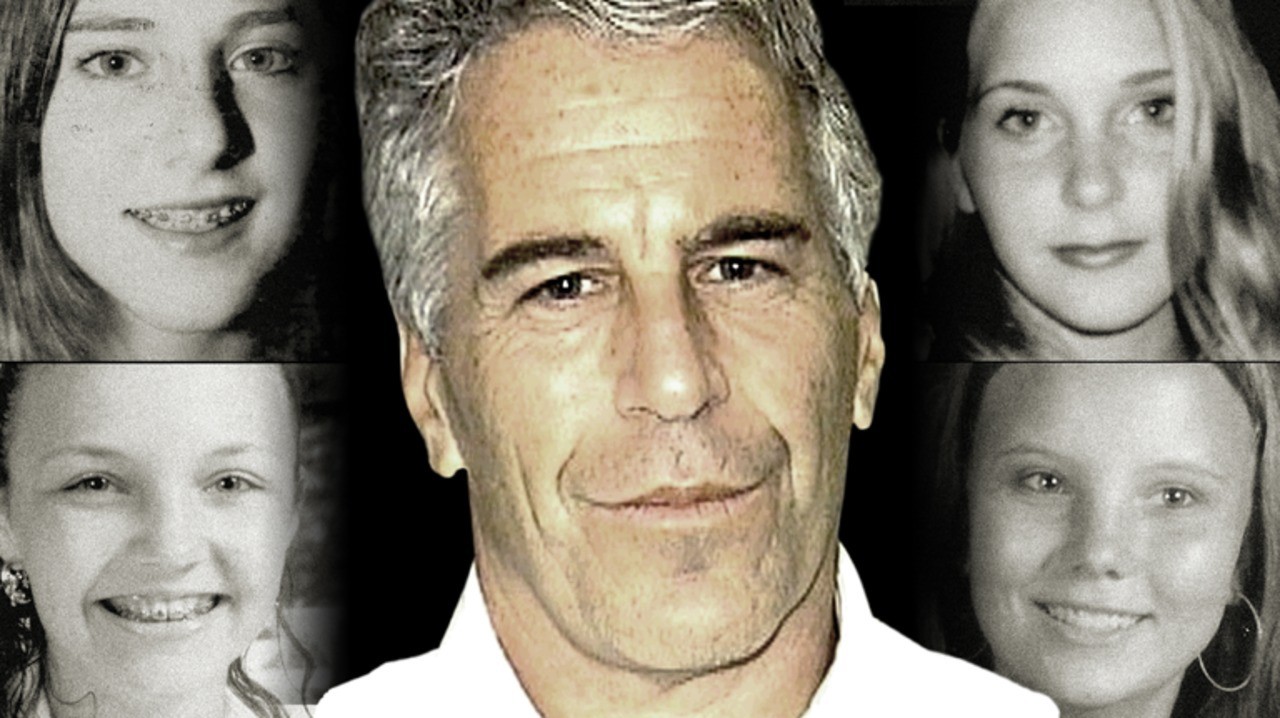
Washington — A congressional investigation into the late financier and convicted sex offender Jeffrey Epstein has taken a sharp and unexpected turn, as former President Bill Clinton and former Secretary of State Hillary Clinton agreed this week to testify under subpoena — but only if their questioning is conducted publicly.
The request has complicated an inquiry that House Republicans, backed by President Trump, had hoped would focus attention squarely on Democrats’ past associations with Epstein. Instead, it has intensified scrutiny of the Trump administration’s own handling of Epstein-related records and raised broader questions about transparency, selective disclosure, and political accountability.
The development comes amid President Trump’s renewed call for the Justice Department to investigate Democrats he alleges were connected to Epstein’s activities. In public statements and social media posts, Mr. Trump has dismissed scrutiny of his own relationship with Epstein as a “scam,” insisting that he severed ties with the financier years before Epstein’s 2019 arrest and that “all arrows point to the Democrats.”
Yet the Clintons’ insistence on public testimony has shifted the dynamics of the investigation, putting pressure on House Republicans — and the Trump administration — to decide how much of the Epstein record they are willing to expose, and whether that exposure will extend beyond political opponents.
A Subpoena Standoff Ends — With Conditions
In January, the House Oversight Committee, chaired by Representative James Comer of Kentucky, issued subpoenas to Mr. and Mrs. Clinton as part of a broader inquiry into Epstein’s network of political, financial, and academic connections. The subpoenas followed the release of newly obtained estate documents suggesting that Epstein continued to market his access to powerful figures even after his 2008 conviction for sex trafficking.
The Clintons initially resisted the subpoenas, arguing through their attorneys that they had already provided all relevant information in writing and that the committee’s demands were procedurally flawed. Republicans accused them of stonewalling and threatened contempt proceedings.
That standoff ended abruptly this week. In a letter to the committee, the Clintons’ lawyer said both former officials would appear for recorded depositions later this month — but added a crucial caveat: the preference for an open, televised hearing.
“An open hearing would best address our concerns regarding fairness and completeness,” the letter said, according to a copy reviewed by The Times.
Mr. Comer quickly framed the agreement as a capitulation, saying the Clintons had “caved” under congressional pressure. But behind the scenes, Republican aides acknowledged that the demand for public testimony had introduced a strategic dilemma.
Transparency, or Control?
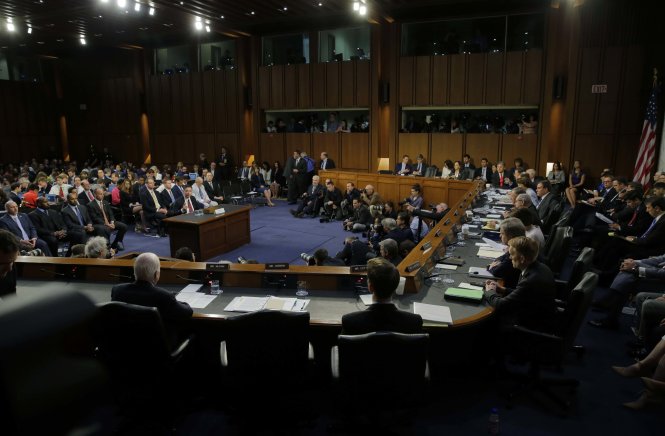
Closed-door depositions are standard practice in congressional investigations, allowing committees to question witnesses extensively and release excerpts selectively. Public hearings, by contrast, limit lawmakers’ control over the narrative and expose the entire exchange — questions, answers, tone, and context — to immediate public scrutiny.
For the Clintons, the calculation appears clear. A public forum would reduce the risk of selective leaks and allow them to present their account in full, including their acknowledgment of past social contact with Epstein while denying any knowledge of his criminal conduct.
For Republicans, the choice is more fraught. Agreeing to a public hearing could allow the Clintons to appear cooperative and transparent, potentially undercutting claims that they are hiding damaging information. Refusing could invite accusations that the committee is less interested in transparency than in managing political fallout.
“This flips the power dynamic,” said a former congressional investigator familiar with Oversight Committee practices. “Once it’s public, you can’t control which moments go viral or how the testimony is perceived.”
Pressure on the Justice Department
The Clintons’ move comes as the Justice Department, under Attorney General Pam Bondi, faces mounting criticism over its handling of Epstein-related records. Congress passed bipartisan legislation last year requiring the release of all remaining Epstein documents held by federal agencies, a measure Mr. Trump signed into law while promising “maximum transparency.”
The department has begun releasing millions of pages of material, including flight logs, photographs, and correspondence. Some documents have reinforced long-known facts about Epstein’s relationships with prominent figures, including Mr. Clinton, who flew on Epstein’s private jet multiple times during humanitarian trips in the early 2000s.
But Democrats and several Epstein survivors have accused the department of moving slowly, issuing heavy redactions, and selectively prioritizing material that reflects poorly on Mr. Trump’s political rivals.
Representative Robert Garcia of California, a Democrat on the Oversight Committee, said in a statement that “transparency cannot be partial or partisan” and called on the Justice Department to release all Epstein records without delay.
The administration has denied any political interference, saying the review process is complex and governed by legal and privacy constraints.
Trump’s Own Ties Under Renewed Scrutiny
Mr. Trump’s relationship with Epstein has long been documented, though the president has repeatedly sought to distance himself from the financier. Photographs and social records show the two socialized in the 1990s and early 2000s, and Mr. Trump once described Epstein as a “terrific guy” in a 2002 interview, a remark he has since said was misconstrued.
Mr. Trump has maintained that he barred Epstein from his Mar-a-Lago club years before Epstein’s arrest and that he had no involvement in Epstein’s crimes. The White House has not explained why Mr. Trump’s name appears in some Epstein-era documents, noting that inclusion does not imply wrongdoing.
Still, legal experts say that a public congressional examination of Epstein’s network could reignite questions the administration has sought to put to rest — particularly if testimony extends beyond Democrats.
“Once you open this up in public, it’s not confined to one party,” said Paul Rosenzweig, a former federal prosecutor. “Epstein’s reach crossed ideological and institutional lines.”
Political Stakes Ahead of 2026

The dispute unfolds as both parties position themselves for the 2026 midterm elections. Republicans have framed the Epstein investigation as evidence of elite impunity among Democrats, while Democrats argue the inquiry risks becoming a partisan spectacle that shields some powerful figures while targeting others.
If the Clintons testify publicly and handle questioning without major revelations, Republicans could find their central narrative weakened. If damaging information emerges, the political consequences could be significant — not only for Democrats but potentially for Republicans and the president himself.
As of now, the Oversight Committee has not said whether it will grant the Clintons’ request for a public hearing. Depositions are scheduled for late February, but the format remains unresolved.
What is clear is that an investigation once expected to focus narrowly on Democratic figures has expanded into a broader test of whether Washington is prepared to confront the full scope of Epstein’s influence — or whether transparency will stop where political risk begins.
Whether Congress chooses sunlight or control may determine not only the fate of this inquiry, but the credibility of future claims that accountability applies equally to all.