TRUMP LOSES IT AFTER JIMMY KIMMEL SAVAGES KAROLINE LEAVITT ON LIVE TV
A chaotic political media storm erupted after Jimmy Kimmel delivered a blistering on-air takedown of White House press secretary Karoline Leavitt, triggering an angry and revealing reaction from Donald Trump. What began as late-night satire quickly escalated into a national spectacle, exposing contradictions inside the Trump White House and turning Leavitt into an overnight punchline. As clips went viral, Trump appeared rattled, issuing conflicting statements and lashing out at critics in a way that only amplified the controversy.
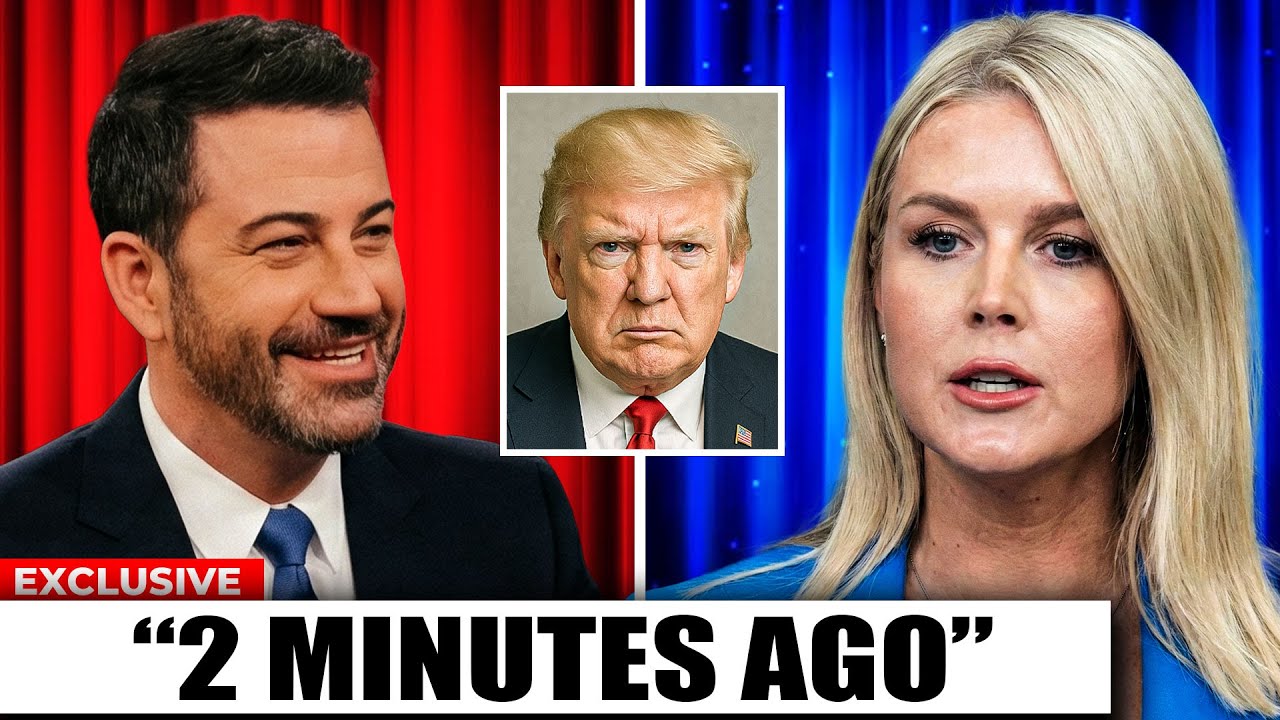
Kimmel zeroed in on Leavitt’s role as the administration’s chief defender, replaying her most controversial briefings and dismantling them line by line. From false claims about the military “turning on California’s water” to attempts at spinning Trump’s remarks about elections and Epstein-related questions, Kimmel cut through the talking points with blunt facts. His approach was devastatingly simple: this wasn’t partisan opinion, he argued, it was reality versus fiction—and Leavitt was losing badly.
The ridicule intensified as Kimmel compared Leavitt’s credibility crisis to past White House scandals, invoking former press secretaries whose reputations collapsed after defending obvious falsehoods. The audience reaction was immediate, and the clips spread rapidly across social media. Within hours, Leavitt was being framed not as a spokesperson delivering information, but as a symbol of propaganda culture inside Trump’s inner circle, tasked with justifying even the most indefensible claims.
Trump’s response only poured fuel on the fire. Instead of distancing himself, he contradicted his own administration, made bizarre personal remarks, and attacked comedians and journalists by name. In one especially uncomfortable moment, Trump publicly commented on Leavitt’s appearance, drawing criticism for sexualizing a subordinate and reinforcing perceptions of a hostile workplace culture. Kimmel seized on the moment, asking pointedly whether the White House even had an HR department.
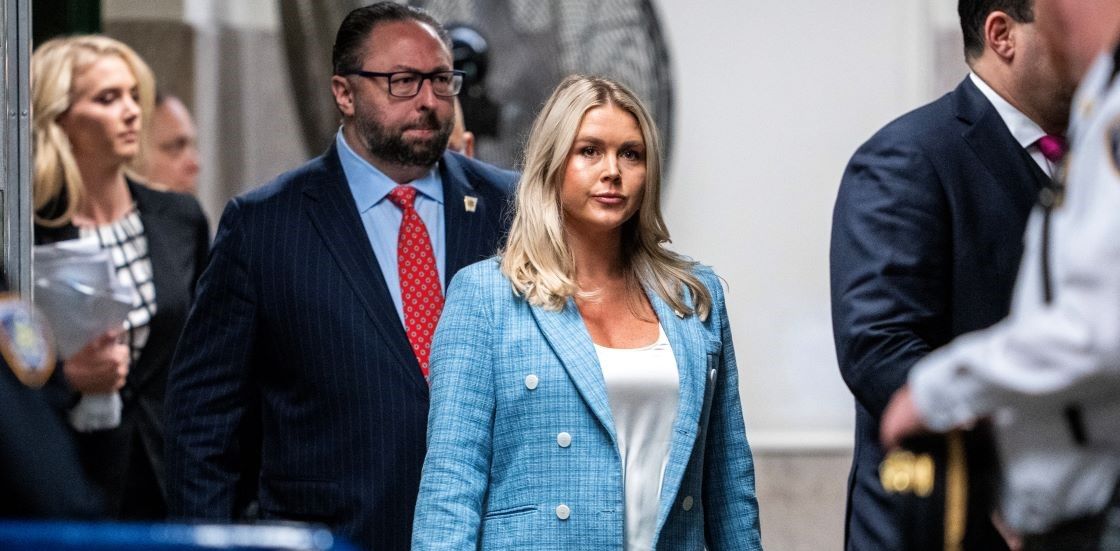
As Trump panic-posted about unrelated scandals and revived grievances involving late-night hosts, the larger narrative became clear: satire had exposed cracks that official messaging could not hide. Kimmel’s commentary resonated because it highlighted a deeper issue—an administration struggling to maintain credibility while demanding unquestioning loyalty from its messengers. Each attempt to spin the story only widened the gap between official claims and observable facts.
By the end of the week, the damage was undeniable. Ratings surged for Kimmel, public scrutiny intensified for Leavitt, and Trump’s furious reactions became part of the story itself. What was meant to be a controlled media strategy collapsed into a viral backlash, proving once again that when power meets unchecked spin, humor—and reality—can be far more devastating than any formal opposition.






