By any historical measure, the health of a president has always been a matter of public concern. From Franklin D. Roosevelt’s concealed paralysis to Dwight D. Eisenhower’s heart attack, Americans have repeatedly confronted the uneasy tension between personal privacy and national responsibility. Today, that tension is resurfacing with renewed urgency around Donald Trump, as a growing chorus of journalists, medical professionals, and voters question whether the former president’s physical and cognitive condition is being presented with sufficient transparency.
In recent months, social media platforms and cable news broadcasts have been filled with close-up photographs and video clips showing bruising on Trump’s hands, visible swelling in his ankles, and moments of apparent fatigue during public appearances. On X (formerly Twitter), TikTok, and Instagram, these images circulate at lightning speed, dissected frame by frame by both supporters and critics. Some posts are speculative, others overtly partisan. But taken together, they reflect a broader anxiety that has begun to move beyond online chatter and into mainstream political discourse.
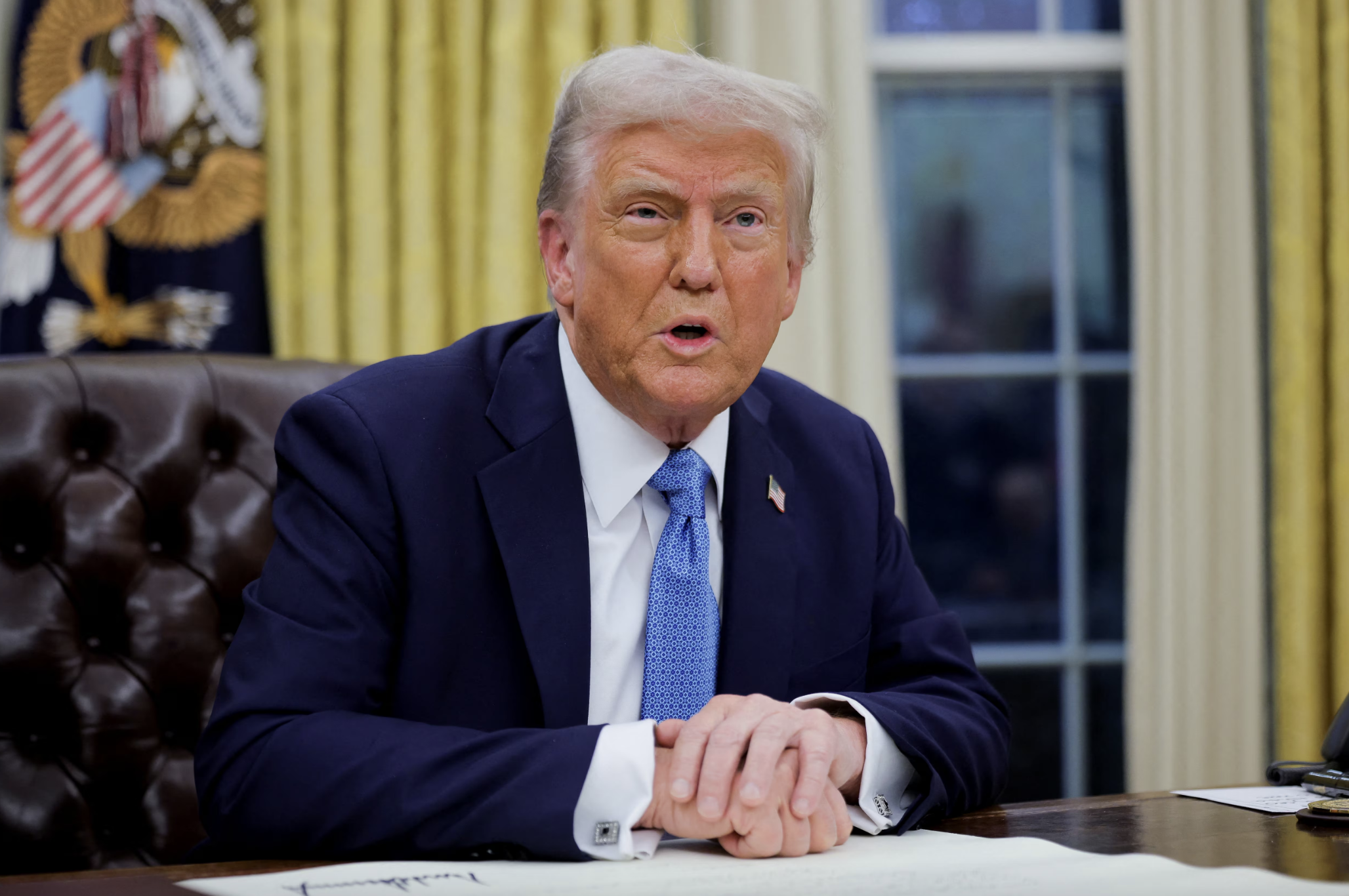
Trump and his advisers have responded with defiance. The former president routinely boasts that he has “aced” cognitive tests and passed multiple physical examinations with what he describes as “perfect” results. His allies amplify the message, portraying him as uniquely vigorous—sometimes even “superhuman”—despite being nearly 80 years old. Yet to many physicians and historians of the presidency, this relentless insistence on exceptional fitness can itself be a warning sign.
“Presidents who are genuinely healthy typically don’t feel the need to advertise it so aggressively,” said one former White House physician in an interview circulated widely on political podcasts and Substack newsletters. While the doctor emphasized that he was not diagnosing Trump from afar, he noted that excessive focus on test scores and physical bravado often masks deeper insecurity—particularly when basic medical records remain undisclosed.
The White House physician’s annual report has long been the primary mechanism through which Americans assess a president’s health. But critics argue that such reports are often limited, selectively framed, and lacking in independent verification. In Trump’s case, the reports released during his presidency were unusually brief and glowing, offering little detail about medications, ongoing treatments, or risk factors commonly associated with aging.
Medical experts interviewed across major news outlets and quoted extensively on platforms like YouTube and Threads have pointed to several visible indicators that merit attention—not alarmism, but attention. Bruising on the hands, for instance, can be consistent with frequent blood draws or the use of blood-thinning medications such as aspirin. Swollen ankles may suggest circulation issues or cardiovascular strain. None of these signs are definitive on their own, doctors stress, and they are common among older adults. But in aggregate, and in the context of a high-stress job, they raise reasonable questions.

Cognitive health has proven even more contentious. Trump’s repeated references to cognitive screening tests—often naming them unprompted at rallies—have become a fixture of his political persona. Supporters cite this as evidence of sharpness. Critics counter that the tests Trump describes are basic screening tools, not comprehensive neurological evaluations. The argument has played out endlessly across American social media, where clips of Trump speaking off-script are juxtaposed with commentary from neurologists and psychologists offering general insights into age-related cognitive decline.
Here, too, the line between legitimate concern and political weaponization is thin. Mental fitness has historically been a taboo subject in American politics, even as presidents have quietly struggled with depression, anxiety, and other conditions. The difference now is the media environment. A stumble on a staircase or a rambling answer can be clipped, captioned, and shared millions of times within minutes, often stripped of context.
Yet national security experts argue that context does not eliminate the stakes. The presidency is not merely symbolic; it demands sustained attention, impulse control, and the ability to process complex intelligence under pressure. When a leader shows signs—real or perceived—of declining stamina or erratic judgment, allies and adversaries alike take note.
“What worries foreign governments is not age itself,” one former intelligence analyst wrote in a widely shared LinkedIn essay. “It’s unpredictability combined with opacity. When the public doesn’t know the truth, neither do our allies.”
This concern is amplified by Trump’s governing style, which has long emphasized personal instinct over institutional process. During his first term, he frequently dismissed briefings, clashed with advisers, and made policy announcements via social media. Supporters viewed this as refreshing candor; critics saw it as recklessness. In the context of health questions, that same pattern—trust me, not the experts—takes on added weight.
Polling suggests that voters are paying attention. Surveys shared by major polling aggregators and discussed extensively on political YouTube channels show that health and temperament now rank alongside inflation and immigration as top concerns among independent voters. Notably, these concerns are not confined to Trump alone. President Joe Biden’s age and stamina have also been scrutinized, underscoring a broader reckoning with gerontocracy in American politics.
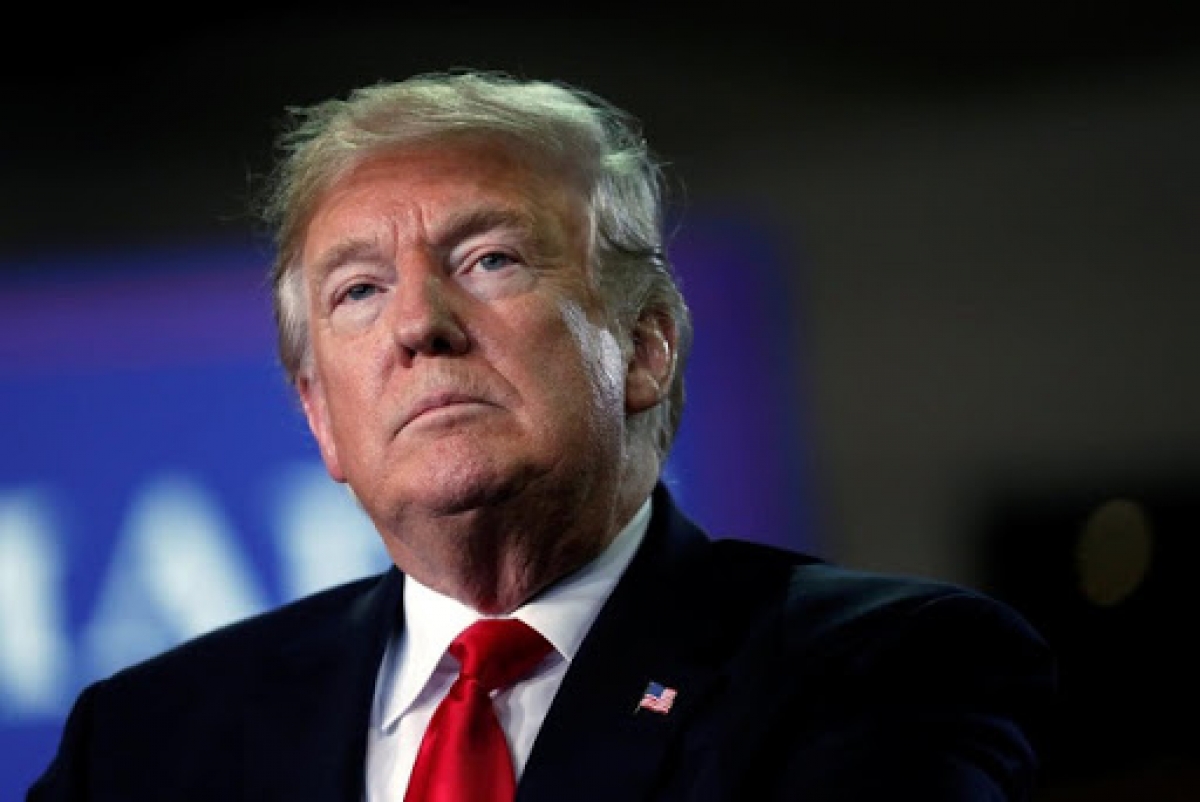
What distinguishes the current moment is the degree of polarization. Any discussion of Trump’s health is instantly interpreted through a partisan lens, making sober analysis difficult. Yet historians caution that avoidance is the greater danger. In past eras, secrecy around presidential health often led to worse outcomes, not better ones.
“The lesson of history is not that presidents should be perfect,” said a presidential historian in a recent NPR interview that was widely quoted on social platforms. “It’s that the public deserves enough information to judge risk.”
Ultimately, the question is not whether Trump is ill, unfit, or incapacitated. Those determinations require medical examinations that only his doctors can perform. The question is whether Americans are being given a truthful, comprehensive picture—or a carefully managed narrative designed to project strength at all costs.
As the election cycle accelerates and the possibility of Trump returning to the Oval Office looms, that question will only grow more urgent. Transparency is not a partisan demand; it is a democratic one. In an era defined by misinformation and spectacle, clarity about a president’s health may be one of the few anchors of trust left.
The stakes are not abstract. They involve judgment under pressure, command of the military, and credibility on the world stage. Before the consequences become irreversible, the country may need to insist on something radical in modern politics: straightforward answers to reasonable questions, delivered without bravado, denial, or fear.






