Sparse Attendance at Trump-Linked Justice Department Event Fuels Online Scrutiny and Political Spin
Washington — A Justice Department event linked to Donald Trump has become the latest flashpoint in the nation’s hyper-polarized political climate, after images and video clips showing rows of empty seats spread rapidly across social media, igniting debate over enthusiasm, organization, and momentum.
The gathering, hosted under the umbrella of the United States Department of Justice, was expected by supporters to showcase strength, unity, and institutional credibility. Instead, photographs posted on X, TikTok, and Instagram appeared to show a crowd far smaller than anticipated, with noticeable gaps in seating and subdued energy in the room. Within hours, the visuals were being dissected by political commentators, meme accounts, and cable news panels alike.
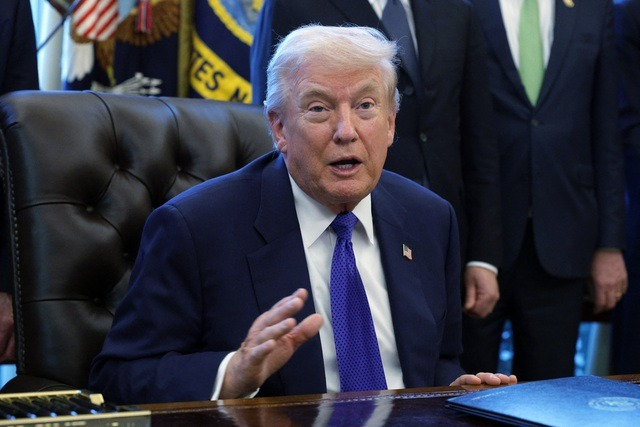
Critics were quick to seize on the imagery, portraying the event as an embarrassing misfire that underscored waning enthusiasm around Trump-linked initiatives. “If this is what mobilization looks like, it’s not exactly a show of force,” one widely shared post read, echoing a sentiment that ricocheted across liberal social media spaces. Influential political YouTubers replayed the footage frame by frame, contrasting it with past Trump-era rallies that overflowed with supporters.
Yet Trump allies and conservative commentators pushed back just as forcefully, arguing that turnout narratives are often misleading — and sometimes deliberately distorted. They pointed out that attendance depends heavily on venue size, security restrictions, timing, and the nature of the event itself. Unlike campaign rallies designed to maximize spectacle, Justice Department events are typically more controlled, with limited invitations and heightened security protocols.
“Photos without context tell you very little,” one conservative strategist said in an interview circulated on political podcasts. “This wasn’t a rally. It wasn’t meant to be. Judging it by those standards is either ignorance or bad faith.”
The clash reflects a broader phenomenon in modern American politics: the transformation of crowd size into a proxy for legitimacy. In the age of smartphones and social platforms, images of attendance — whether packed arenas or empty chairs — have become powerful symbols, often outweighing substantive policy discussion.
For Trump, whose political identity has long been intertwined with the image of mass support, such symbolism carries particular weight. During his presidency and subsequent campaigns, he frequently cited crowd sizes as evidence of popular backing, sometimes disputing official estimates and accusing media outlets of downplaying turnout. As a result, even routine events connected to his orbit now attract outsized scrutiny.
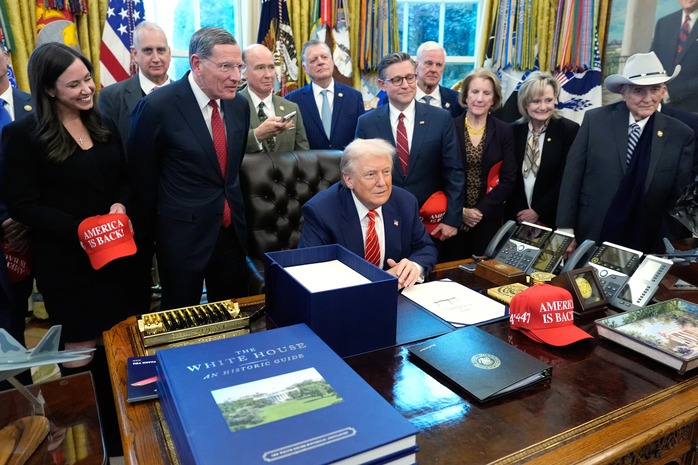
At the Justice Department event, the optics were unavoidable. In several widely shared clips, speakers addressed the audience as cameras panned across sections with visible empty seats. The awkwardness of the moment — at least as portrayed online — became a narrative in itself. Late-night hosts joked about it. Partisan accounts framed it as proof of declining influence. Others accused those critics of deliberately choosing unflattering angles.
Media scholars note that this dynamic says as much about the audience as it does about the event. “We’ve trained ourselves to read political meaning into crowd shots,” said a professor of media studies whose commentary was shared extensively on Threads and LinkedIn. “But those images are rarely neutral. They’re selected, cropped, and circulated to tell a story.”
That story, however, does not exist in a vacuum. The Justice Department has become an especially sensitive symbol in Trump-era politics, often portrayed by his supporters as either a bulwark of law and order or, conversely, as a politicized institution. Any event associated with both Trump and the DOJ is therefore primed for controversy, regardless of substance.
Inside Washington, officials were more circumspect. Some acknowledged privately that expectations may have been set too high, while others emphasized that attendance was never the primary goal. “This wasn’t about filling seats,” one person familiar with the planning said. “It was about messaging to a specific audience.”
Still, the online reaction highlights a challenge facing Trump-aligned efforts as the political calendar moves forward. While his core base remains loyal, the broader coalition that once produced massive crowds appears harder to mobilize outside of explicitly partisan settings. Whether that reflects fatigue, strategic recalibration, or simple overinterpretation of a single event remains an open question.
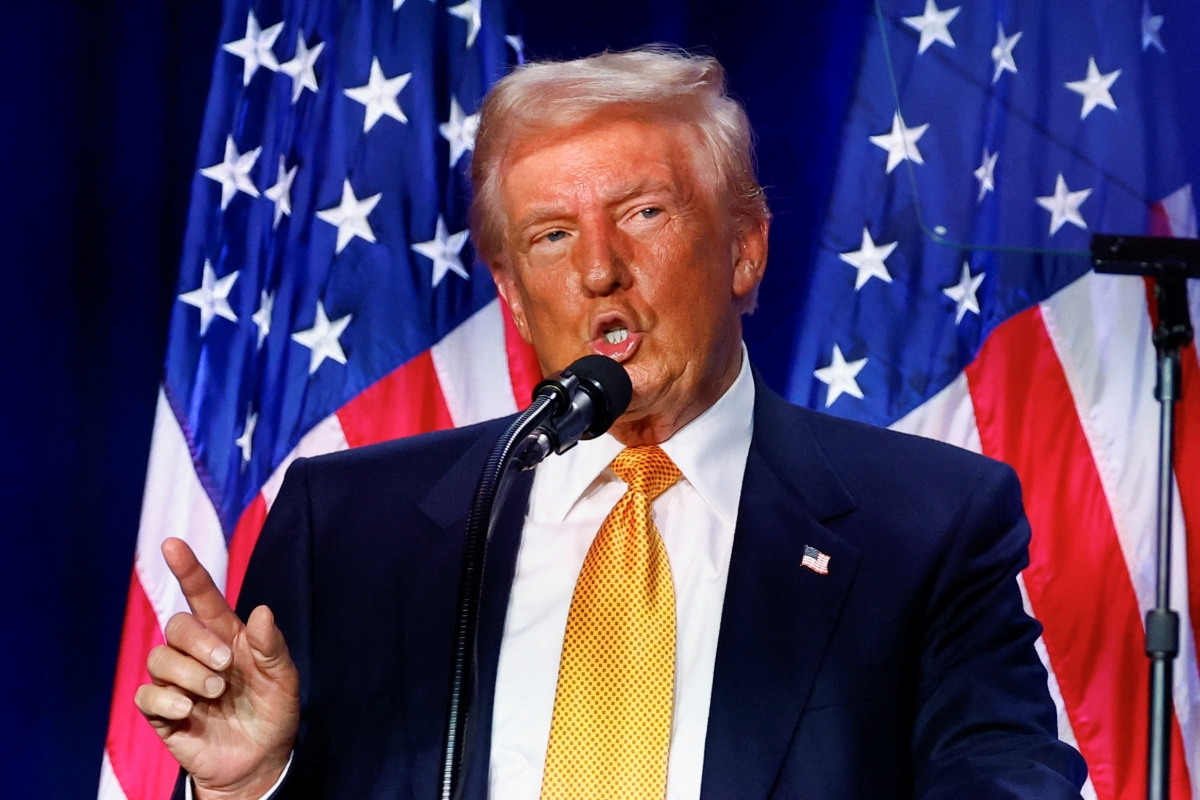
Polling analysts caution against drawing sweeping conclusions from isolated moments. “Momentum is not measured by one room on one day,” one analyst wrote in a post that gained traction on X. “But optics matter, and this didn’t help.”
For Democrats and Trump critics, the images fit neatly into a preferred narrative of decline. For Republicans, they represent yet another example of what they see as hostile media framing and online pile-ons. The truth likely lies somewhere in between — shaped by logistics, expectations, and the relentless demand for viral content.
What is undeniable is how quickly the episode became a national talking point. In an era where political capital is increasingly measured in clicks and shares, even a modest turnout can be transformed into a symbol of success or failure, depending on who is telling the story.
As the clip cycle churns on and new controversies inevitably replace this one, the sparse crowd at a Justice Department event may fade from memory. But the reaction to it offers a revealing snapshot of contemporary politics: a landscape where perception often outruns reality, and where empty seats can speak as loudly — or louder — than the people who fill them.






