Escalating Tensions in Washington as Democrats Push New Impeachment Articles Against Trump
WASHINGTON — In a move that has reignited partisan divisions on Capitol Hill, Representative Al Green, Democrat of Texas, filed articles of impeachment against President Trump on December 10, accusing him of abuse of power and inciting violence through public statements that lawmakers say have endangered members of Congress and federal judges.
The resolution, H.Res. 939, contains two articles. The first charges Mr. Trump with fostering threats against six Democratic lawmakers, some with backgrounds in military or intelligence service, by publicly suggesting severe punishment in rhetoric that critics describe as inflammatory. The second article alleges that the president has undermined judicial independence by making vituperative comments toward judges who have ruled against his administration’s policies, contributing to a climate of increased threats against the judiciary.
Mr. Green, a longtime advocate for impeachment who pursued similar efforts during Mr. Trump’s first term, forced a House vote on the resolution shortly after filing it. The measure was ultimately tabled by a bipartisan coalition, with Republicans unified in opposition and a significant number of Democrats either voting to shelve it or abstaining, citing procedural concerns and the slim Republican majority in the House.
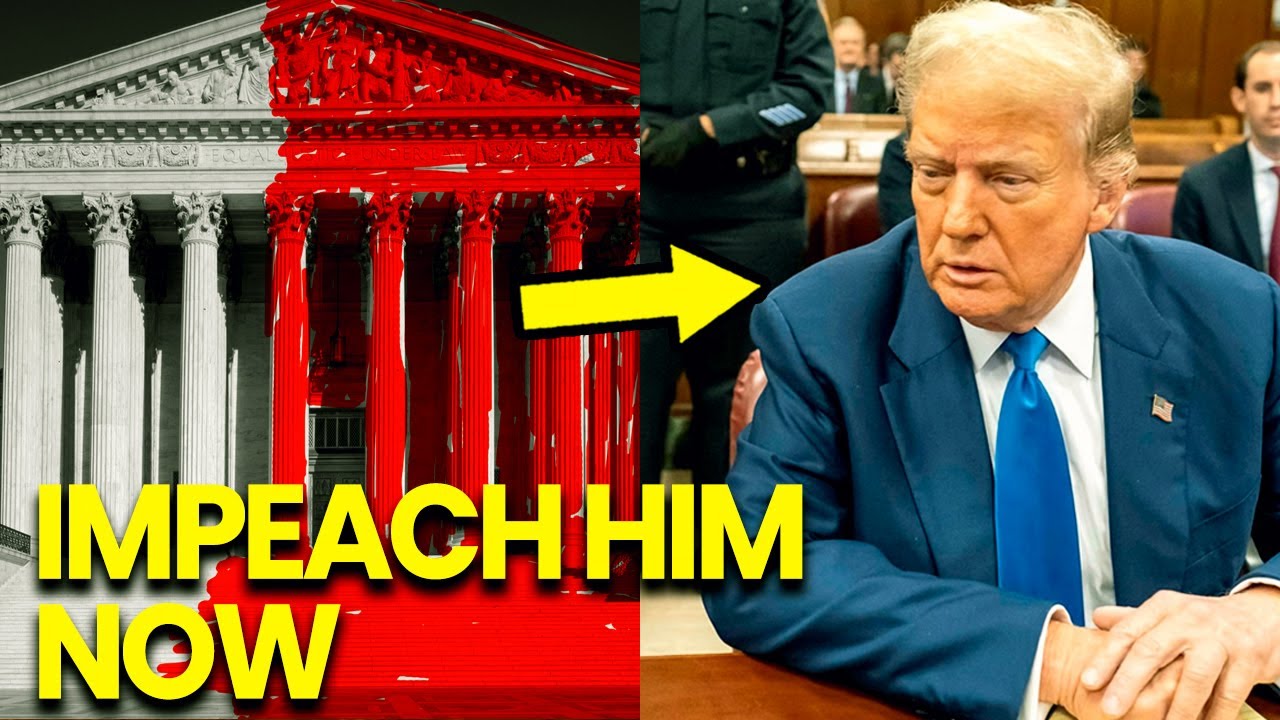
Yet the episode has amplified whispers of deeper unrest in Washington. Sources familiar with closed-door discussions among Democratic lawmakers describe late-night strategy sessions and heated debates over whether to pursue further accountability measures amid Mr. Trump’s aggressive use of executive authority in his second term. These include challenges to congressional spending powers, mass deportations, and public criticisms of judicial rulings — actions that some legal scholars have labeled as testing the boundaries of constitutional norms.
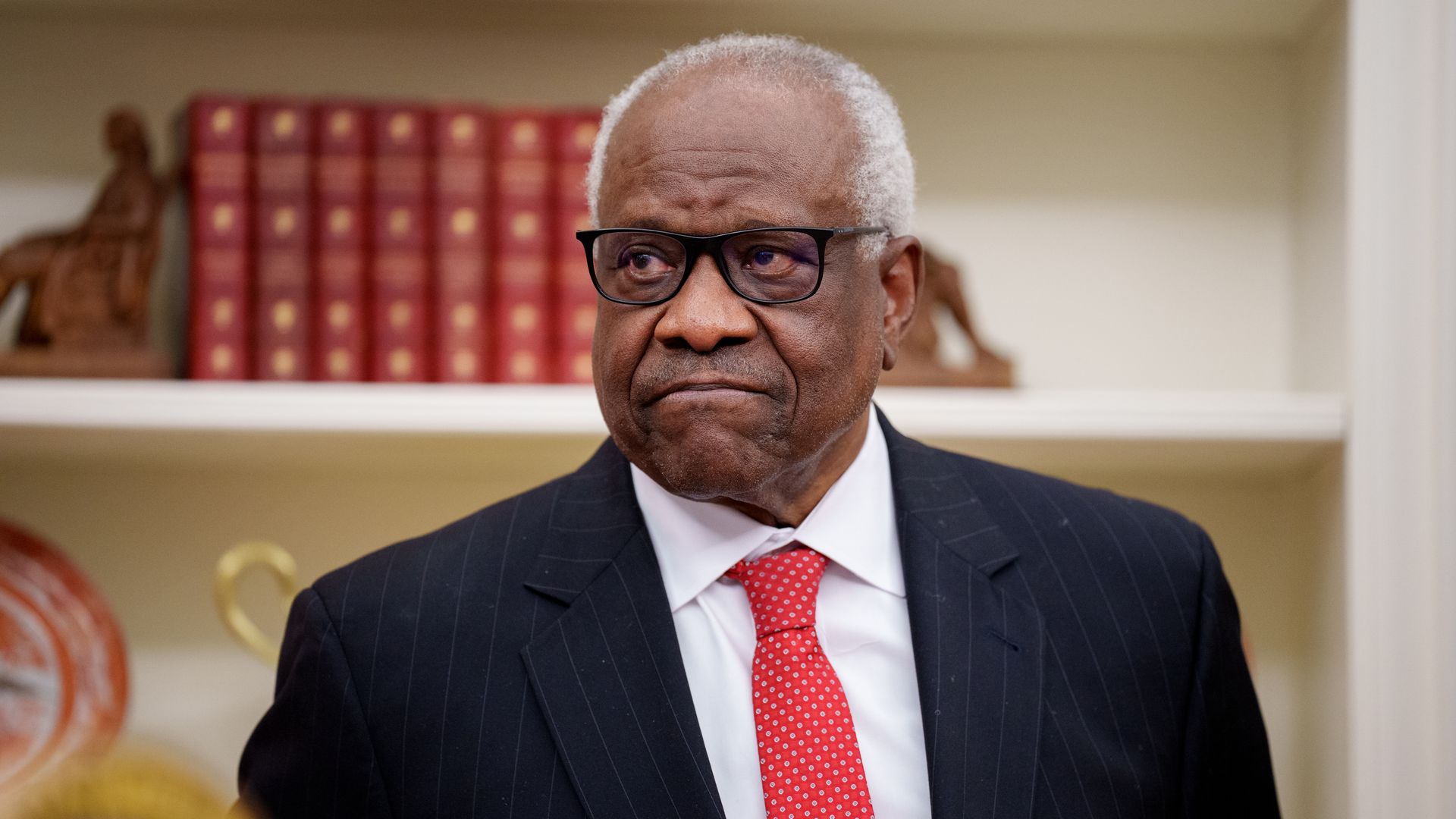
Justice Clarence Thomas, the longest-serving member of the Supreme Court’s conservative majority, has emerged as a pivotal figure in related legal battles. In recent cases involving presidential power to remove officials from independent agencies, Justice Thomas has joined opinions signaling openness to expanding executive authority, drawing sharp dissents from liberal justices who warn of eroding checks and balances. Critics on the left have pointed to these rulings as enabling what they call an “imperial presidency,” while supporters argue they restore proper executive prerogatives envisioned by the framers.
The impeachment push comes against a backdrop of broader constitutional friction. Earlier this year, the Court grappled with cases expanding presidential immunity and removal powers, decisions in which Justice Thomas concurred without public comment on recusal calls stemming from past controversies. Though no direct link ties these rulings to the impeachment articles, Democratic aides have privately expressed frustration that judicial interpretations appear to shield the executive from accountability, fueling calls for congressional intervention.
Republican leaders dismissed Mr. Green’s resolution as a partisan stunt unlikely to advance in a GOP-controlled House. “This is the same recycled playbook from years ago,” said a spokesperson for House Speaker Mike Johnson. “The American people elected President Trump to deliver results, not endure endless investigations.”
Still, the rapid filing and floor action — with 140 Democrats voting to advance the articles before the tabling motion prevailed — underscore persistent Democratic unease. Interviews with moderate Democrats reveal internal divisions: some view impeachment as a necessary check on perceived overreach, while others worry it distracts from legislative priorities like economic relief and infrastructure.
Outside Congress, the episode has reverberated online and in public discourse. Clips of Mr. Trump’s past statements circulated widely on social media, trending alongside hashtags from both supporters rallying in defense and opponents decrying threats to democratic institutions. Legal experts note that while impeachment remains a remote prospect without Republican support, the symbolic vote highlights enduring scars from Mr. Trump’s previous impeachments and the January 6, 2021, Capitol attack.

As Congress adjourns for the holidays — with Mr. Trump recently granting federal employees additional days off around Christmas — the drama appears paused but not resolved. Insiders suggest more evidence or actions could prompt renewed efforts in the new year, potentially involving cabinet officials or further executive orders.
Veteran observers of Washington note that such cycles of confrontation are not new, but the intensity feels heightened in Mr. Trump’s second term. With the Supreme Court, led in part by justices like Thomas who have bolstered executive powers, poised to weigh additional challenges, the capital braces for what some call an ongoing test of the Constitution’s resilience.
For now, the pressure cooker on Capitol Hill simmers, with both sides digging in. As one senior Democratic aide put it anonymously: “This isn’t over. The stakes are too high to ignore.”