A scenario unprecedented in the 200-year history of the United States is unfolding: A sitting President is not only criticizing but openly calling for the arrest and impeachment of a Federal Judge. Washington is holding its breath as Donald Trump officially declares war on the judicial branch, plunging America into a profound constitutional crisis. As the final line of judicial independence is breached, the question remains: Can American democracy survive this direct assault?
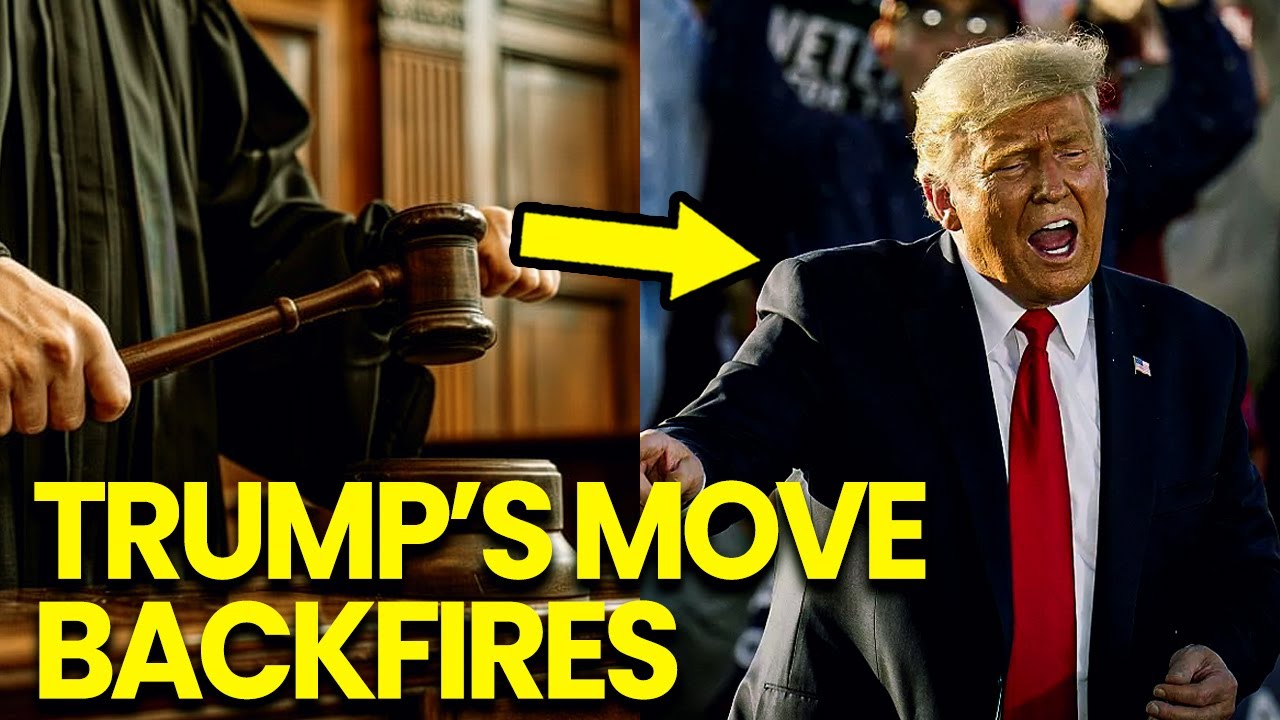
1. The “First Shot” Fired at Judge James Boasberg
The turmoil began when Judge James Boasberg—a federal district judge in Washington D.C.—issued rulings that directly defied Donald Trump’s agenda.
-
The Root of Trump’s Fury: Judge Boasberg blocked Trump’s mass deportation orders and authorized subpoenas and criminal investigations targeting Trump and his close allies.
-
A Campaign of Defamation: Trump branded Judge Boasberg a “radical left lunatic” on Truth Social, accusing him of “weaponizing” the judiciary.
-
Extreme Legal Action: Moving beyond rhetoric, on November 3, 2025, Congressman Brandon Gill of Texas—a staunch Trump loyalist—formally filed articles of impeachment against Judge Boasberg.
2. Tactics of Intimidation: From Impeachment to Criminal Prosecution
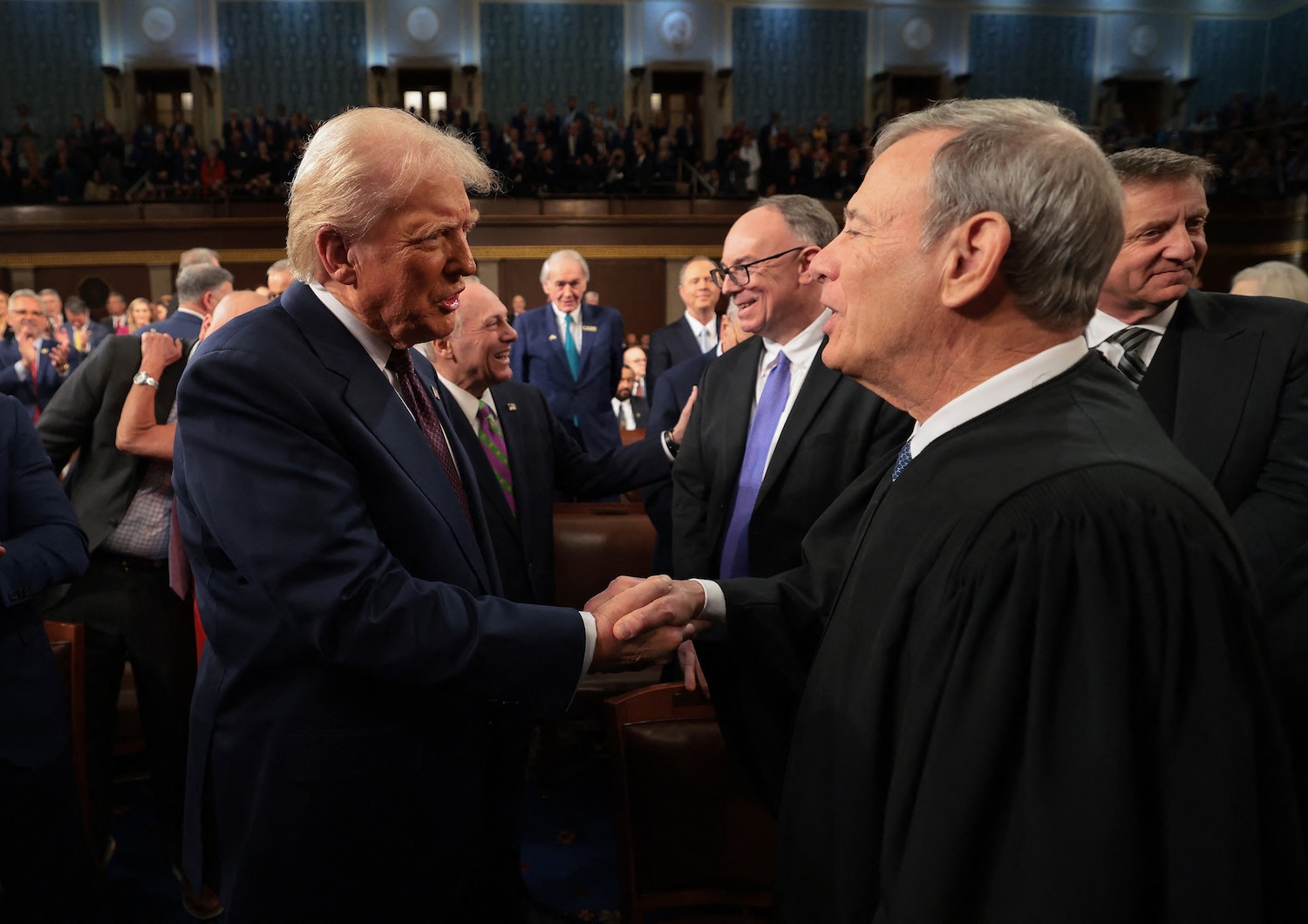
This is not merely a legal dispute; it is a systematic effort to subjugate those who hold the scales of justice.
-
Accusations of “Weaponization”: Trump supporters accuse Boasberg of abusing his power by authorizing a secret investigation code-named “Arctic Frost,” which reportedly targets several Republican senators.
-
DOJ Intervention: Under the leadership of Attorney General Pam Bondi, the Department of Justice (DOJ) has gone as far as threatening judges with criminal prosecution if they fail to align with the administration’s will. Bondi publicly stated: “We will come after you… we will find you and we will prosecute you”.
-
A Dangerous Precedent: The DOJ attempted to charge a state judge with “obstruction of justice” simply for making a ruling that Trump disliked—an act entirely without precedent in American history.
3. A Rare Response from Chief Justice John Roberts

The gravity of the situation forced Chief Justice John Roberts to break his traditional rule of silence.
-
A Stern Warning: Roberts issued a public statement defending Judge Boasberg and the independence of the judiciary. He emphasized that for more than two centuries, impeachment has never been an appropriate response to disagreements over judicial decisions.
-
The Standard Procedure: The Chief Justice reminded the administration that if they are dissatisfied with a ruling, they have the right to appeal to a higher court, not to impeach the judge.
-
An Urgent Signal: The fact that a Chief Justice, who rarely comments on politics, felt compelled to speak out indicates that the integrity of the judicial branch is under a threat so severe it cannot be ignored.
4. The Aftermath: The Collapse of the Rule of Law?
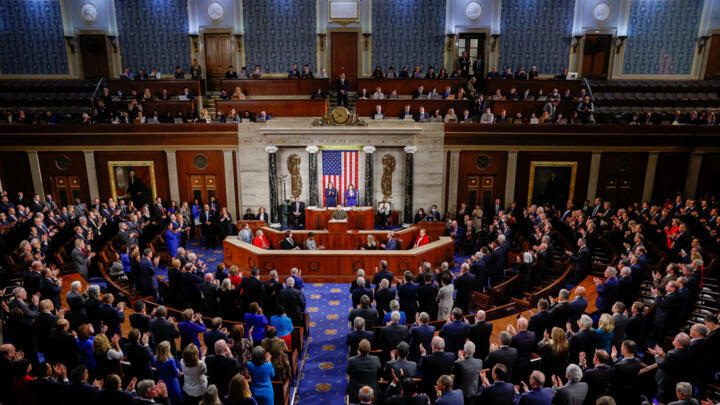
Trump’s true objective is not just to remove Boasberg, but to send a chilling message to the entire federal judiciary.
-
The Chilling Effect: If judges fear impeachment or prosecution for their rulings, they may no longer dare to block unconstitutional acts by the executive branch.
-
Absolute Power: Trump aims to turn the courts into “rubber stamps” for his policies—ranging from tariffs to mass deportations—without facing any legal hurdles.
-
International Standing: If the U.S. begins impeaching judges for political reasons, it risks being categorized alongside authoritarian regimes like Russia or China, where courts are mere tools of those in power.
Conclusion: A Test for the U.S. Constitution
The battle to impeach Judge Boasberg is just the beginning. While the likelihood of a conviction in the Senate is low due to the required two-thirds majority, the move has already severely eroded faith in the system of checks and balances.
If judicial independence falls, the American democracy we know will effectively end, replaced by an “elected autocracy” where the President stands above all laws. Washington stands at a historical crossroads, the outcome of which will shape the nation for decades to come.