House Impeachment Effort Against Trump Gains Momentum as Lawmakers Cite Threats to Democracy
Washington — A long-simmering effort in the House of Representatives to impeach President Donald J. Trump intensified sharply this week, as 140 lawmakers voted to advance a sweeping set of impeachment articles accusing the president of abuses of power that supporters of the resolution say amount to an existential threat to American democracy.
The vote, held on December 11, 2025, did not itself impeach the president. Instead, it moved forward articles introduced by Representative Al Green of Texas, allowing them to proceed through the House’s impeachment process. Still, the size and breadth of the support stunned even veteran congressional observers. The tally represented a 77 percent increase over a similar procedural vote earlier this year and included not only progressive Democrats but also moderates from competitive districts who have historically been cautious about impeachment.
At the heart of the effort is a claim that President Trump has repeatedly placed personal and political interests above constitutional obligations—conduct that lawmakers say echoes, and in some cases exceeds, the behavior that led to his prior impeachments.
“Our president holds the ultimate public trust,” said one Judiciary Committee member during debate. “When he betrays that trust and puts himself before country, he endangers the Constitution, our democracy, and our national security.”
Two Tracks of Impeachment
The current push for impeachment rests on two parallel sets of articles.
The first, House Resolution 353, was introduced in April 2025 and lays out seven articles of impeachment. They include obstruction of justice; usurpation of Congress’s power of the purse; abuse of trade authority and international aggression; violations of First Amendment rights; creation of an unlawful executive office; bribery and corruption; and what the resolution describes as “tyranny.”
Taken together, the articles depict a presidency that critics argue has systematically undermined the separation of powers. Among the allegations: that Mr. Trump used the Justice Department to target political adversaries, froze congressionally appropriated funds without authorization, threatened military action absent congressional approval, and created executive enforcement offices not sanctioned by law.
The seventh article—tyranny—is unusually stark. It accuses the president of governing by intimidation and decree, ignoring judicial rulings and congressional oversight in ways lawmakers say resemble authoritarian rule rather than constitutional governance.
The second set of articles, introduced by Mr. Green in December, focuses more narrowly but more bluntly on what he describes as the president’s most dangerous actions. These include public statements in which Mr. Trump suggested members of Congress should face execution, repeated attacks and threats directed at federal judges, and military actions allegedly undertaken without congressional consent.
Mr. Green’s resolution warns that, left unchecked, the president “will dissolve our republic,” language that reflects a growing alarm within parts of Congress over the trajectory of the administration.
A Procedural Vote With Political Weight
Although 140 votes fall far short of the 218 needed to impeach the president, the procedural vote carries real political significance.
“It’s a signal, not a verdict,” said a former House parliamentarian. “But it’s a powerful signal.”
In June, fewer than 80 members supported advancing similar impeachment measures. The rapid growth in support suggests a shift not only among lawmakers but among voters they represent. Several representatives from swing districts said privately that constituent pressure had intensified over the fall, driven by concerns over executive overreach and the president’s increasingly confrontational rhetoric.
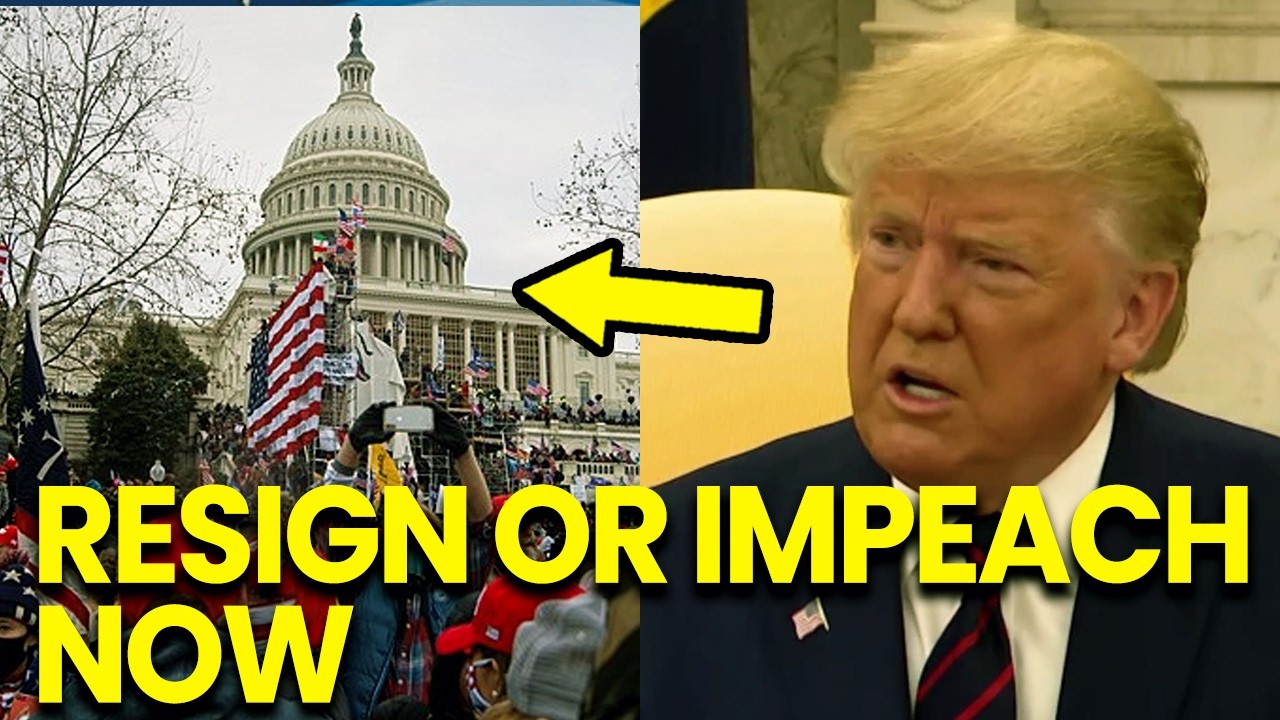
Over 120 House members—and at least seven senators—have now publicly called on Mr. Trump to resign or face removal. While resignation remains unlikely, such demands underscore the depth of unease within Congress.
Outside Pressure Builds
Beyond Capitol Hill, a coalition of advocacy groups has mobilized to push impeachment forward. Organizations including Free Speech for People, Women’s March, and Citizens Impeachment have coordinated protests, petitions, and office sit-ins aimed at lawmakers from both parties.
In Washington this month, thousands gathered for what organizers called the “Remove the Regime” rally, marching to congressional offices and delivering petitions demanding impeachment and conviction. A nationwide “Free America Walkout” is planned for January 20, urging workers to leave their jobs for the day and press lawmakers directly.
Such campaigns echo earlier moments in American political history, when sustained public pressure played a decisive role in shaping congressional action, most notably during the Watergate scandal.
The Road Ahead
Impeachment remains a multi-stage process, and significant hurdles remain.
If the articles continue to advance, the House Judiciary Committee would hold hearings, hear testimony, and vote on whether to send articles to the House floor. Only if a simple majority votes in favor would Mr. Trump be formally impeached.
Removal would then require a trial in the Senate and a two-thirds vote to convict—a steep threshold in a closely divided chamber. Even if Democrats were to gain seats in the 2026 midterms, conviction would almost certainly require a substantial number of Republican senators to break with the president.
That prospect remains uncertain, though cracks have begun to appear. A handful of Republican lawmakers have said publicly that there are “lines” the president cannot cross, and privately some senators have expressed concern over his conduct, according to aides.
Why Impeachment Still Matters
Supporters of the impeachment effort argue that even if removal proves elusive, the process itself is vital.
Impeachment hearings would compel testimony under oath, place evidence into the public record, and force lawmakers to take clear positions. It would also shape the historical and legal record surrounding Mr. Trump’s presidency, potentially influencing future prosecutions once he leaves office.
“This is about accountability,” said one senior Democrat. “Even if the Senate refuses to convict, Congress has a duty to document abuses of power and defend the Constitution.”
For now, the effort remains in motion rather than culmination. But with support expanding, outside pressure intensifying, and the midterm elections looming, the impeachment push has entered a new phase—one that suggests the question confronting Washington is no longer whether impeachment will be pursued, but how far it will ultimately go.
As one lawmaker put it during debate, “History is watching what we do next.”