When Barack Obama appeared on live television this week, there was little outward indication that the moment would ripple far beyond the room. He did not arrive with a prepared monologue aimed at an opponent, nor did he frame his remarks as a rebuttal. Instead, he spoke in the register that has defined his post-presidential public life: measured, reflective, and deliberately restrained. What followed, however, landed with unusual force — not because of volume or spectacle, but because of contrast.
Obama’s remarks unfolded as part of a broader critique of the current political climate. He spoke about norms, about truth, and about the quiet erosion of expectations Americans once took for granted in public office. He did not initially name Donald Trump, but the referent was unmistakable. When he described a leader consumed by grievances, obsessed with loyalty, and comfortable bending institutions to personal ends, the audience recognized the silhouette immediately.
The room’s reaction was telling. There was no instant applause, no eruption designed for television. Instead, there was a pause — the kind that suggests recognition rather than surprise. Then came laughter, not mocking but knowing, followed by applause that built slowly, as if people were responding less to a punchline than to a shared diagnosis.
For Obama, this was not a departure from character so much as a sharpening of it. In recent years, he has largely avoided direct confrontation, preferring to speak in abstractions about democracy and citizenship. This time, however, his language edged closer to the present moment. He spoke of a politics defined by bullying mistaken for strength, by noise confused with leadership, and by spectacle replacing responsibility. He framed these tendencies not as personal failings alone, but as cultural choices — choices that require consent to persist.
The effect was amplified by Obama’s demeanor. He did not appear angry. He did not rush. His delivery carried the ease of someone with nothing to prove and no office to win. That calm, paradoxically, made the critique sharper. In a media environment accustomed to outrage, composure itself becomes a statement.
Trump’s response followed a familiar pattern. Within hours, social media accounts associated with him lit up with denunciations, dismissals, and counterattacks. He accused Obama of irrelevance, mocked his tone, and insisted that the remarks proved little beyond elite condescension. The volume was high, the language sharp. Yet the timing worked against him. By responding so forcefully, Trump confirmed the very dynamic Obama had described: a reflexive need to reclaim attention.
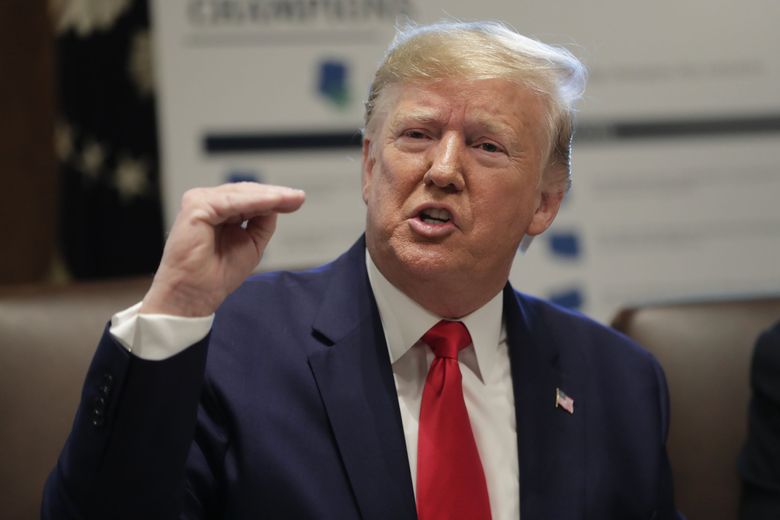
Political analysts noted that the exchange highlighted a long-running asymmetry between the two men. Trump thrives on immediacy, on rallies and reactions, on dominating the news cycle through sheer repetition. Obama operates differently. He appears sparingly, speaks selectively, and allows silence to do part of the work. When they occupy the same narrative space, the contrast often becomes the story.
This moment also underscored the evolving role of former presidents. Traditionally, they recede, offering counsel only in coded language. Obama has largely followed that path, but the current climate appears to have nudged him toward a more explicit posture. His remarks did not call for a specific candidate or policy. Instead, they articulated a standard — one against which current leadership could be measured.
That distinction matters. By framing his critique around values rather than personalities, Obama avoided the appearance of settling scores. He spoke instead as a custodian of an idea: that leadership requires restraint, that power demands humility, and that democracy depends on a shared commitment to reality. These are abstractions, but ones made vivid by the example he left unstated.
The audience response suggested hunger for that register. In an era of constant escalation, the absence of theatrics felt almost subversive. Viewers online echoed that sentiment, describing the moment less as a “roast” than as a reminder of what presidential rhetoric once sounded like. Supporters praised the restraint. Critics accused Obama of smugness. Both reactions testified to the same point: the remarks landed.
Trump’s allies argued that Obama’s popularity in such moments reflects nostalgia rather than relevance. They contend that his style belongs to a different political era, one disconnected from the anger many voters feel. Yet that argument may miss the point. Obama’s intervention did not seek to outshout anger; it sought to contextualize it. He did not deny frustration. He questioned what Americans choose to do with it.
There is also a strategic dimension. Obama, no longer a candidate, can afford patience. Trump, perpetually campaigning, cannot. Every pause Obama allows becomes an opening Trump feels compelled to fill. That asymmetry gives Obama an advantage he did not always possess while in office.
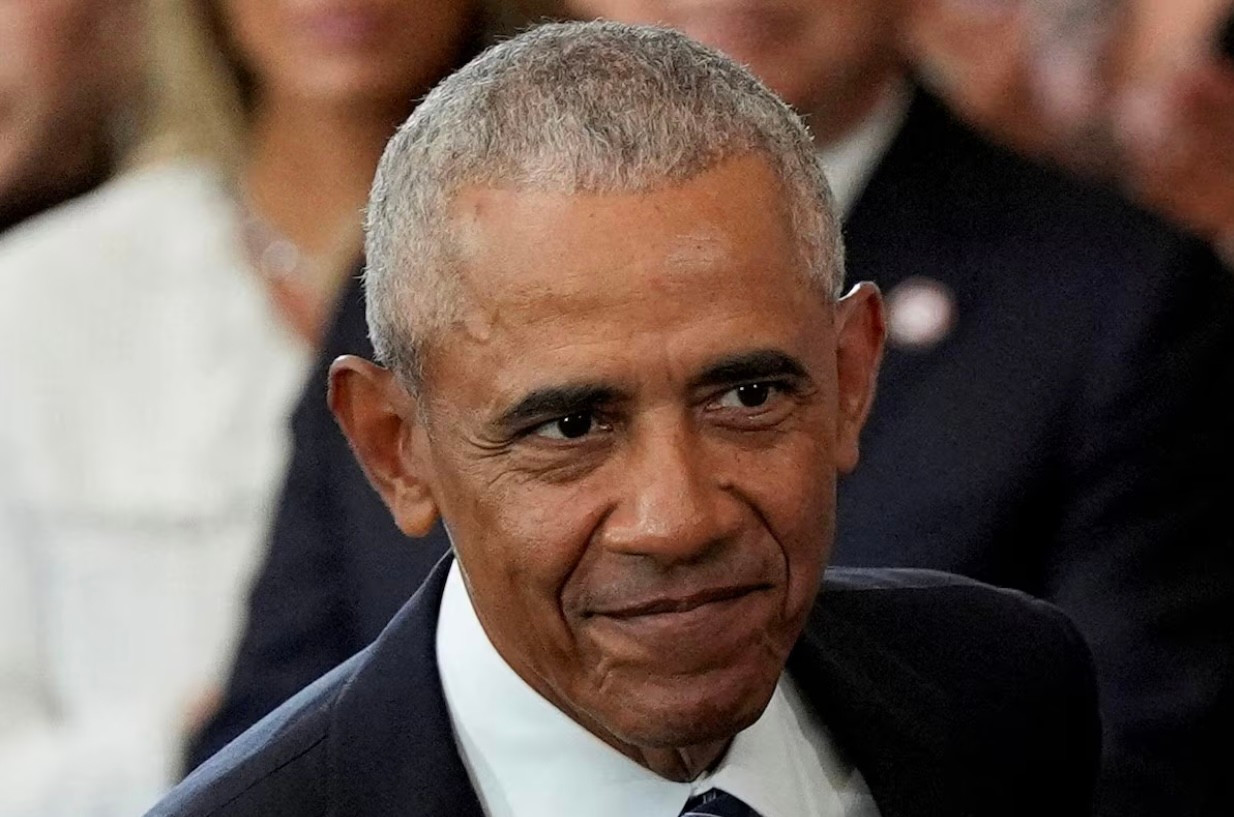
In the days since the broadcast, clips of the exchange have circulated widely, often stripped of context but retaining their effect. Trump’s denunciations have grown louder, more insistent. Obama, by contrast, has returned to silence. The pattern reinforces the impression that this was not a duel but a demonstration.
Ultimately, the episode was less about personal rivalry than about competing theories of power. One treats attention as oxygen, necessary at all times. The other treats it as a tool, useful only when deployed with care. When those theories collide, the outcome is rarely decided by who speaks last.
Obama did not dismantle Trump with insults or policy arguments. He did something more unsettling. He spoke calmly about standards many Americans recognize, then stepped aside. The reaction — both applause and outrage — filled the space he left behind. In a political culture addicted to noise, that quiet may have been the loudest statement of all.






