REPORTS & CONTEXT: Old Media Archives Resurface as Trump Faces Renewed Scrutiny
Recent online discussion has been reignited after long-archived media appearances involving Donald Trump resurfaced during a broader debate over transparency, media responsibility, and political accountability. The clips, drawn largely from past radio and television interviews that were publicly broadcast years ago, are now being re-examined by commentators in light of current controversies.
According to multiple media analysts, the renewed attention centers not on new allegations, but on Trump’s own past on-air remarks, which were recorded, edited, and distributed by major outlets at the time. These appearances—particularly on long-running entertainment programs—have been widely cited by journalists as examples of how Trump once approached publicity with little filtering, often speaking in a way that differed sharply from the carefully managed messaging seen in modern political campaigns.
Observers note that between the 1990s and mid-2010s, Trump frequently appeared on popular radio shows, where conversations were framed as entertainment rather than political interviews. Hosts at the time often described him as unusually open, sometimes to the point of controversy. Media historians point out that this “no-filter” style helped build his public persona long before his entry into electoral politics.
In recent weeks, these archived clips have circulated again online, prompting renewed debate. Supporters argue that the material is being taken out of context, emphasizing that the remarks were made years before Trump entered public office. Critics, however, suggest the recordings offer insight into longstanding patterns in Trump’s media behavior, particularly his tendency to treat public appearances as performance rather than policy discussion.
At the same time, the resurfacing of old media content has coincided with ongoing disputes surrounding the handling of high-profile legal documents connected to the late Jeffrey Epstein. While no new verified evidence has been released publicly, lawmakers and commentators across the political spectrum have called for clearer processes, consistent redactions, and greater transparency to prevent misinformation from filling the gaps.
Importantly, legal experts stress that archived audio clips, commentary, and political rhetoric should not be confused with court findings or verified evidence. Much of what is circulating online reflects opinion, interpretation, or media critique rather than established legal conclusions.
Media watchdogs also warn that selective editing and viral framing can distort the original intent of decades-old broadcasts. In an era of short clips and algorithm-driven outrage, even authentic recordings can be reshaped to suggest meanings that were never formally alleged or proven.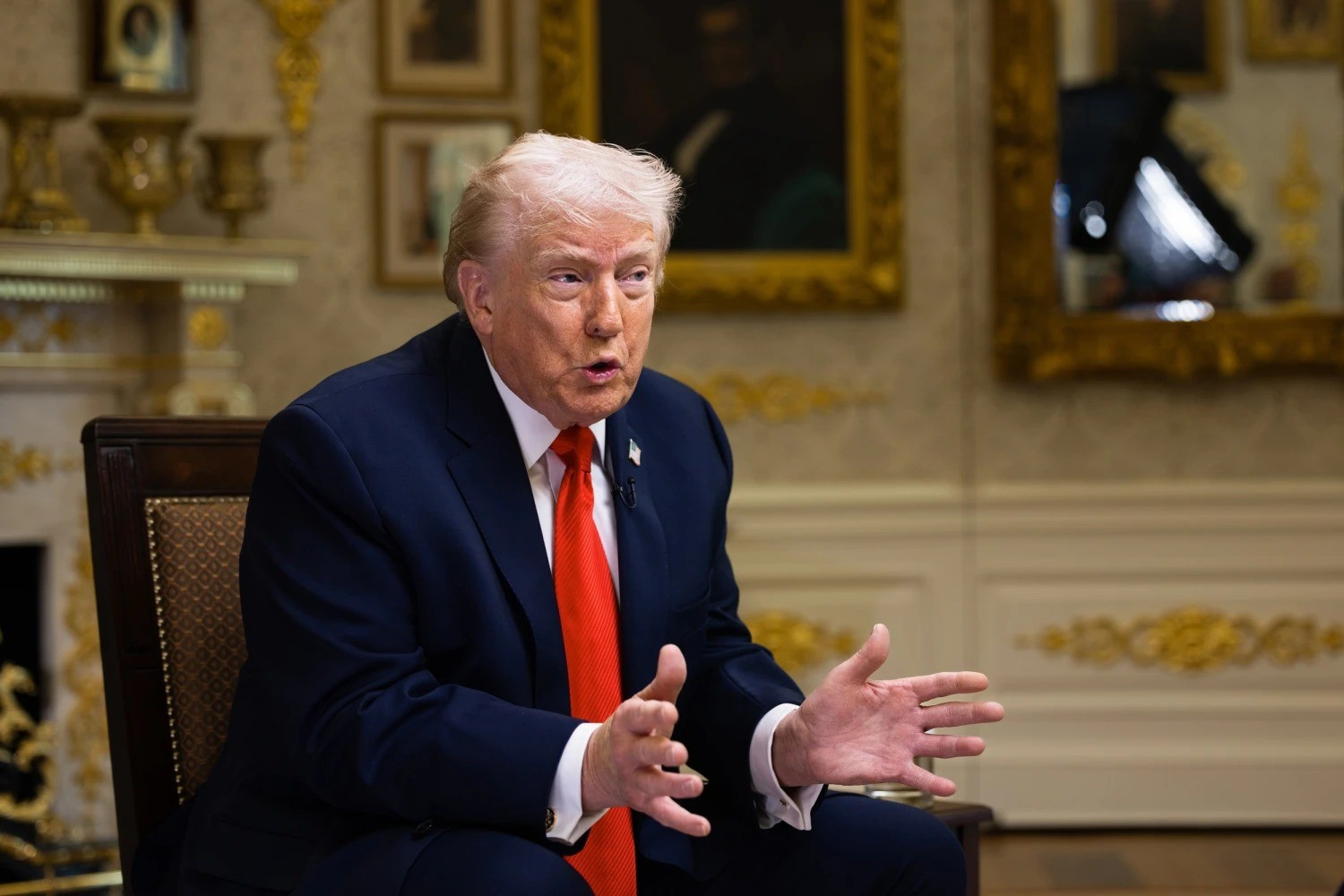
What this moment ultimately highlights, analysts say, is a broader issue: how modern audiences interpret historical media through today’s political lens. As older content resurfaces, the challenge lies in separating documented public speech from speculation—and distinguishing commentary from confirmed facts.
As debates continue, journalists urge the public to rely on verified reporting, official records, and clearly sourced information. In highly charged political climates, context matters as much as content—and history, when revisited, should be examined carefully rather than weaponized.






