Investigators Find Cache of Highly Classified Documents in President Trump’s Oval Office
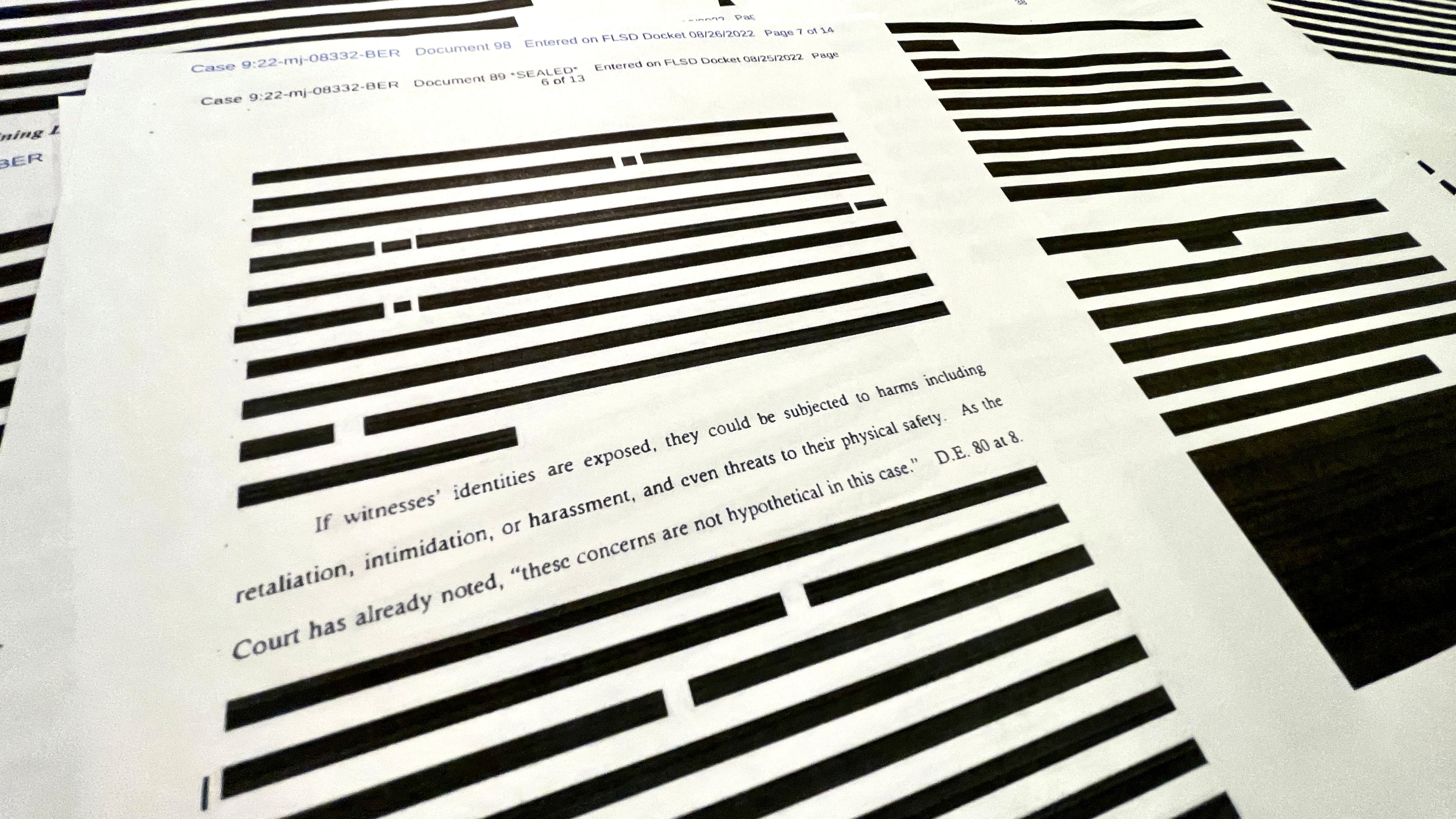
Discovery of more than 50 top-secret files, including material on Iran and nuclear planning, deepens legal peril and raises new national security concerns.
WASHINGTON — Federal investigators conducting a routine compliance review at the White House in January discovered a concealed cache of highly classified national security documents hidden inside President Donald Trump’s personal workspace in the Oval Office, according to multiple officials familiar with the matter.
The documents — more than 50 in total — included materials marked Top Secret / No Foreign, among the most sensitive classification levels in the federal government, covering potential military strikes on Iran, nuclear infrastructure assessments, and contingency planning related to U.S. military operations. The files were found inside desk drawers and a concealed wall safe near the Resolute Desk, mixed with personal papers, rally notes, and miscellaneous items, officials said.
The discovery has sent shockwaves through Washington, dramatically escalating an already sprawling investigation into Mr. Trump’s handling of classified materials and dealing a potentially fatal blow to his long-standing legal defense that he either did not know the documents were classified or had declassified them while in office.
Unlike previous discoveries at Mr. Trump’s Mar-a-Lago residence in Florida, which involved materials taken after he left the White House, the documents uncovered this time were stored inside the Oval Office itself, while Mr. Trump was actively serving as president and had full access to secure government facilities designed for classified material.
“This is not a close call,” said one former senior intelligence official briefed on the matter. “These are documents that under no circumstances should be stored in unsecured locations, particularly not commingled with personal items.”
A Routine Check With Extraordinary Findings
According to officials, investigators were not executing a raid or acting on a tip. The discovery occurred during what was described as a routine administrative compliance review related to ongoing classified-documents probes. Such checks are designed to ensure adherence to federal protocols governing the storage and handling of sensitive material.
When investigators opened desk drawers in the Oval Office, they found classified documents. Further inspection revealed a concealed wall safe containing additional materials. Some documents were stored without protective covers; others were found inside empty classified folders, suggesting their contents had been removed and handled separately.
The materials bore clear classification markings, including “Top Secret” and “No Foreign,” indicating that the information was restricted even from allied governments. Officials said there was no documentation showing the files had been formally declassified, nor evidence of any standing declassification order.
Audio Evidence Undercuts Trump’s Claims

The discovery is especially damaging in light of previously reported audio recordings from 2021, made at Mr. Trump’s Bedminster golf club in New Jersey. On the recording, Mr. Trump is heard discussing classified military documents and saying, “This is secret. Now I can’t declassify it.”
Prosecutors view the recording as a direct admission that Mr. Trump understood both the classified status of the materials and the limits of his authority to declassify them. The audio has already played a central role in legal filings related to earlier document seizures.
Legal experts say the combination of physical evidence and recorded admissions significantly strengthens the government’s case.
“His entire defense collapses,” said a former federal prosecutor. “You now have documents marked classified, found in his personal control, stored improperly, and audio where he acknowledges they are secret. That is textbook willful retention.”
Espionage Act Exposure
The investigation now raises the prospect of charges under the Espionage Act, which criminalizes the willful retention of national defense information and carries penalties of up to 10 years in prison per count. Prosecutors are also examining potential obstruction of justice, citing the concealed storage locations and removal of documents from protective folders.
The fact that the documents were kept in hidden compartments — rather than in secure White House facilities — is viewed by investigators as evidence of intent, not negligence.
“Improper storage alone is serious,” said one Justice Department official. “Concealment is something else entirely.”
A Pattern, Not an Isolated Incident
The Oval Office discovery closely mirrors findings from the 2022 FBI search of Mar-a-Lago, where classified materials were found in unsecured storage areas, including boxes accessible to staff and visitors. At the time, Mr. Trump characterized the investigation as a “witch hunt” and claimed full authority to possess the documents.
But officials say the latest discovery demonstrates a consistent pattern of behavior — one that continued even after Mr. Trump became acutely aware that his document handling was under scrutiny.
“This shows he didn’t learn anything,” said a former White House counsel. “Or worse, that he believed he could continue without consequence.”
Political Reverberations Ahead of Midterms
The timing of the discovery could hardly be worse for Mr. Trump and his allies. With the 2026 midterm elections approaching, Democrats have seized on the findings as evidence that the president poses an ongoing national security risk.
Several Democratic lawmakers called for immediate congressional hearings, while Republican candidates have begun distancing themselves, wary of defending conduct that could alienate independent voters.
“This isn’t about politics,” said one Republican strategist. “It’s about whether voters believe he can be trusted with the country’s most sensitive secrets.”
Mr. Trump responded to reports of the discovery with a series of overnight posts on Truth Social, calling the investigation a “Democrat hoax” and accusing federal agencies of weaponization. He did not directly address the nature of the documents or explain why they were stored in his office.
What Comes Next
Prosecutors are expected to present the Oval Office findings to a grand jury in the coming weeks. Legal analysts say the case now resembles some of the strongest classified-information prosecutions in modern history.
“This is the kind of evidence juries understand,” said the former prosecutor. “Documents. Recordings. Intent. There’s very little ambiguity.”
For a president who has long framed investigations as political persecution, the discovery inside the Oval Office itself — at the heart of American executive power — may prove impossible to dismiss.
As one senior official put it: “The location alone changes everything.”