A Pattern of Confrontation: Trump, the Press, and the Women Who Challenge Him
During campaign stops, press conferences, and public forums over the years, Donald Trump has repeatedly clashed with members of the media. These encounters have often drawn attention not only for their sharp tone, but for who is on the receiving end. According to journalists, media watchdogs, and footage reviewed by multiple outlets, women reporters—particularly women of color—have frequently borne the brunt of these confrontations.
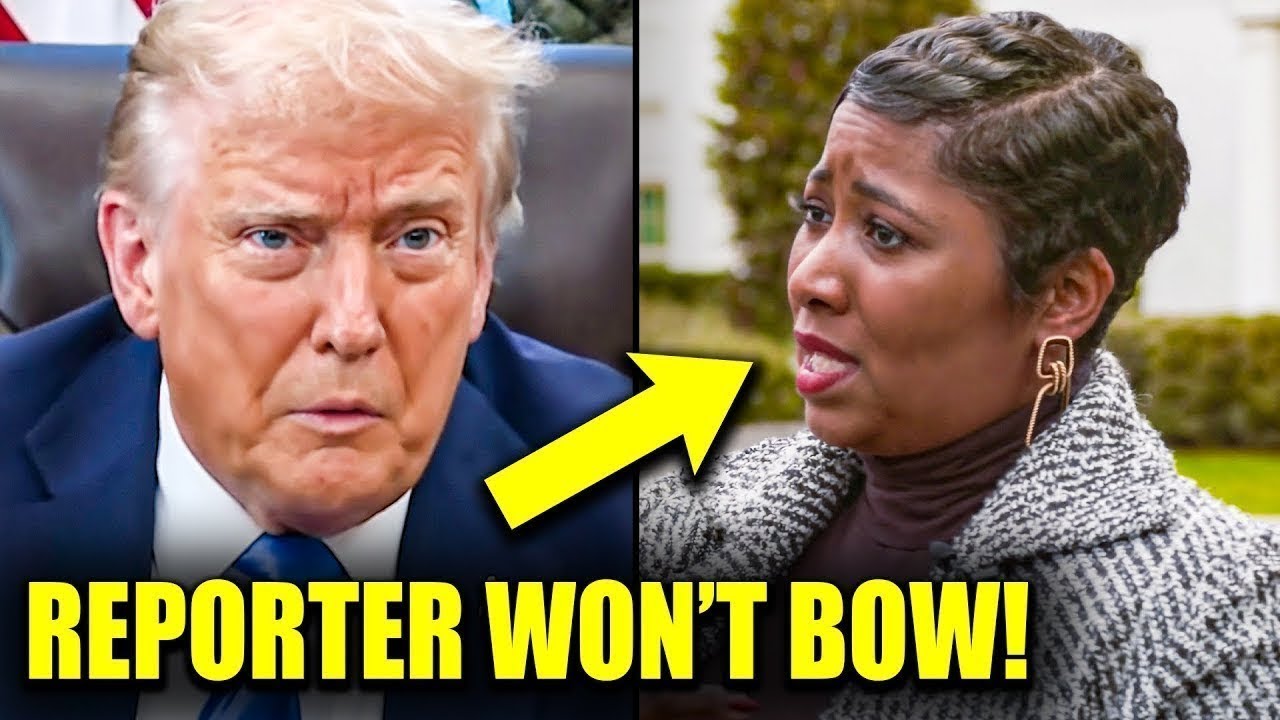
The most recent flashpoint occurred during an event hosted by the National Association of Black Journalists, where Rachel Scott of ABC News questioned Trump about his past statements regarding race and his outreach to Black voters. The exchange quickly grew tense. Trump criticized the framing of the question and the network, calling the inquiry “rude” and disputing the premise rather than addressing the substance.
The moment circulated widely online, reigniting a broader debate about how Trump responds to scrutiny—and whether his reactions differ depending on who is asking the questions.
A Familiar Dynamic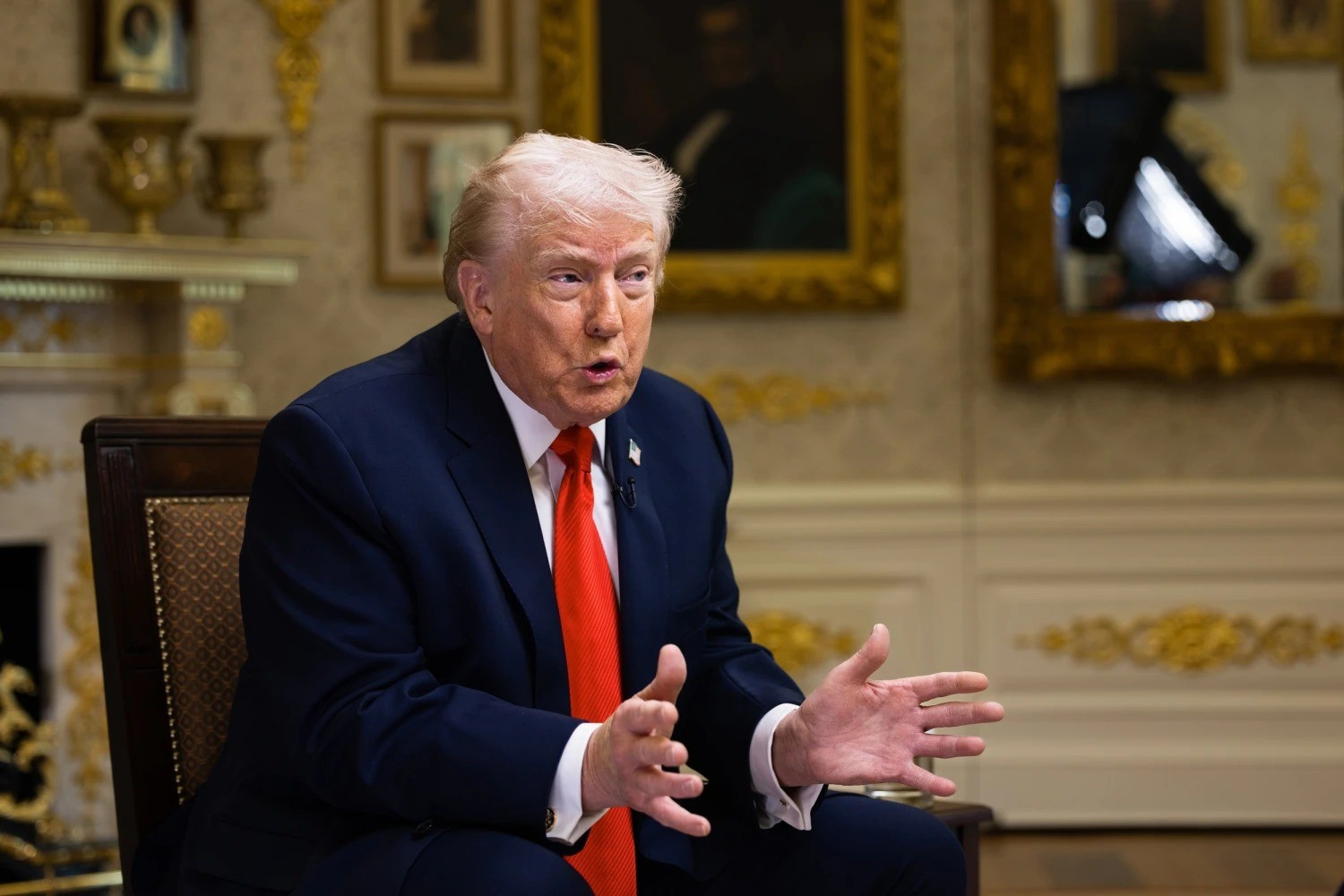
This was not an isolated incident. Video clips from earlier campaign events show Trump cutting off female reporters mid-question, criticizing their tone, or declining to respond until another journalist is recognized. In one widely shared exchange, he dismissed a reporter as “obnoxious” while refusing to answer a policy question, a moment that critics cited as emblematic of a larger pattern.
Media analysts note that adversarial exchanges between politicians and reporters are not unusual. What stands out, they argue, is the consistency with which similar confrontations appear to involve women journalists, especially those who press him on issues of race, gender, or democratic norms.
Trump has denied any discriminatory intent, frequently asserting that he treats reporters “the same” regardless of background. Supporters echo that view, describing his approach as combative but equal-opportunity, aimed at outlets he perceives as hostile rather than at individuals.
Still, journalism advocates say the pattern warrants attention.
Questions That Trigger Pushback
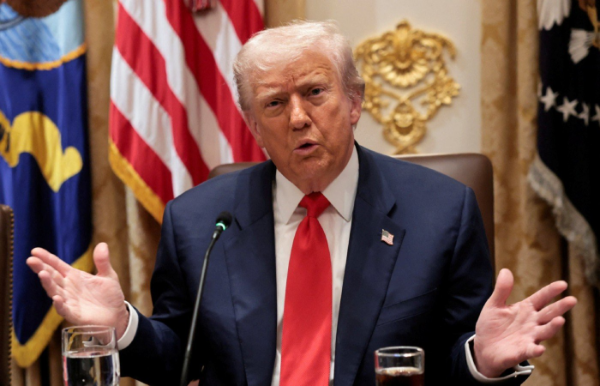
At the NABJ event, Scott’s question referenced Trump’s history of promoting false claims about political rivals’ citizenship, his criticism of prosecutors of color, and his rhetoric toward journalists. The question concluded by asking why Black voters should trust him now.
Rather than engaging point by point, Trump challenged the legitimacy of the question itself, criticized ABC News, and accused the reporter of disrespect. The exchange set the tone for the remainder of the event.
Later in the same forum, another reporter asked Trump about remarks from some of his allies describing Kamala Harris as a “DEI hire.” Trump responded by asking the reporter to define the term, then made comments about Harris’s racial identity that drew immediate backlash from civil rights groups and media organizations.
Fact-checking partners working with the NABJ published real-time clarifications during the event, a decision that itself became a point of controversy among Trump supporters, some of whom criticized the practice as biased.
Consequences Beyond the Stage
Following the NABJ appearance, NPR media reporter Eric Deggans disclosed that Scott received threats in the days after the event, according to NABJ leadership. ABC News declined to comment on specific security measures but reiterated its support for its journalists.
Advocacy groups argue that such fallout illustrates a broader problem: when prominent political figures publicly disparage reporters, especially those from marginalized communities, it can expose them to harassment far beyond the original exchange.
This concern is not new. Yamiche Alcindor, formerly of PBS NewsHour and The New York Times, has spoken publicly about repeated confrontations with Trump, including moments when he dismissed her questions as “fake news” and questioned her credibility in front of national audiences.
Press Freedom and Power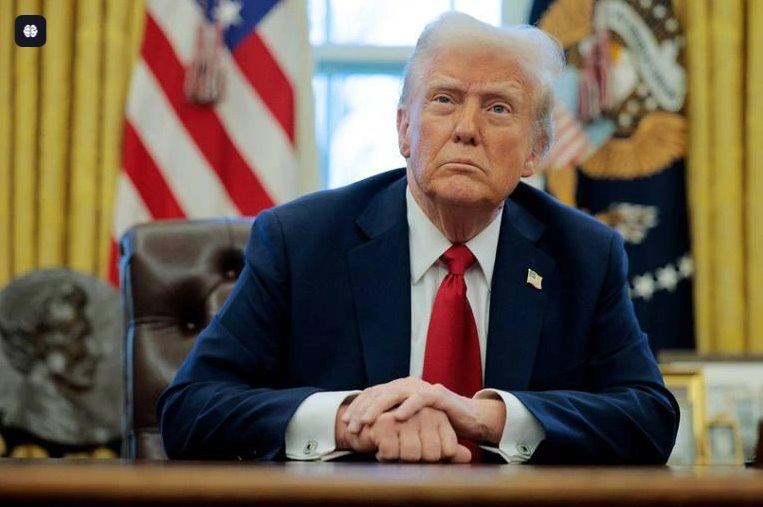
Press freedom experts emphasize that rigorous questioning is a core function of journalism, particularly during campaigns. Asking candidates to reconcile past statements with present appeals, they say, is neither personal nor partisan—it is foundational.
“When reporters are attacked for doing their jobs, the chilling effect is real,” said one media ethics professor, speaking generally about political intimidation of the press. “It discourages accountability and narrows the space for public debate.”
Trump’s allies counter that what critics describe as intimidation is simply pushback against what they view as biased or unfair coverage. They argue that forceful responses are justified when questions are framed with assumptions they dispute.
An Ongoing Debate
As the campaign continues, these exchanges are likely to persist. For news organizations, the challenge is balancing tough questioning with the safety of their reporters. For voters, the moments offer insight into how a candidate handles pressure, dissent, and scrutiny.
Whether viewed as a symptom of media hostility or a pattern of dismissiveness toward certain journalists, the encounters raise enduring questions about power, accountability, and who is allowed to challenge authority in public life.
What remains clear is that the spotlight on these interactions is not fading—and neither is the debate over what they reveal about leadership in an increasingly polarized political landscape.






