Calm as Counterpunch: How a Late-Night Moment Reframed the Trump–Comedy Dynamic
On a recent evening of late-night television, what might have been another routine exchange of celebrity jokes evolved into something more revealing about politics, performance and power in the age of permanent spectacle.

During a televised charity special tied to arts education, Jimmy Kimmel Live host Jimmy Kimmel and actor Samuel L. Jackson addressed recent criticism from Donald Trump. The exchange did not unfold as viewers of political comedy might expect. There were no shouted retorts, no extended monologues designed for instant virality, no attempt to escalate the feud. Instead, the segment relied on restraint—an approach that, paradoxically, proved more disruptive than outrage.
Late-night television has long served as a pressure valve for political frustration, blending humor with critique. Over the past decade, that role has intensified, particularly as political figures have increasingly responded to jokes not as background noise but as direct challenges to authority. Trump, in particular, has shown a consistent pattern: treating satire as something to be confronted, corrected or overwhelmed through counterattack. Volume, repetition and insult have often been his tools of choice.
It was precisely that pattern that Kimmel appeared determined not to reinforce.
According to people familiar with the broadcast’s planning, the host chose to open the segment by calmly reading a recent insult attributed to Trump, then setting the note aside. The gesture was small but deliberate. It reframed the remark not as provocation, but as a document—something to be examined rather than fought over.
Kimmel followed with a question that drew laughter without cruelty: what, exactly, does an insult accomplish? Does it make a country safer, lower grocery prices or improve schools? The audience’s reaction shifted from amusement to applause, a signal that the line had landed not because it was sharp, but because it was difficult to dismiss.
Jackson’s appearance deepened that shift. Introduced not through his filmography but through his advocacy for arts education, he spoke briefly about discipline and listening—skills he suggested were undervalued in both politics and public discourse. His remarks were measured, almost conversational, but they carried weight precisely because they refused spectacle.
“Insults feel like power,” Jackson said, according to a transcript reviewed after the broadcast. “But real power is staying with one question long enough for the truth to show itself.”
The line spread quickly online, paired with clips of the audience responding not with boos or cheers, but with sustained applause. Media analysts noted that the segment’s viral success owed less to its punchlines than to its pacing. By declining to escalate, the show denied its target the familiar terrain of conflict.
Trump’s reaction followed a well-worn script. In posts and interviews that circulated shortly after the broadcast, he dismissed the show’s relevance, questioned its ratings and suggested the audience was biased—all while continuing to reference the segment itself. The contradiction did not go unnoticed by commentators, who described it as another example of how satire can exert influence simply by refusing to play the expected role.
In that sense, the exchange highlighted a broader evolution in political comedy. For years, late-night hosts have competed to produce the sharpest takedown, the most shareable clip. But saturation has its limits. When outrage becomes predictable, calm can feel radical.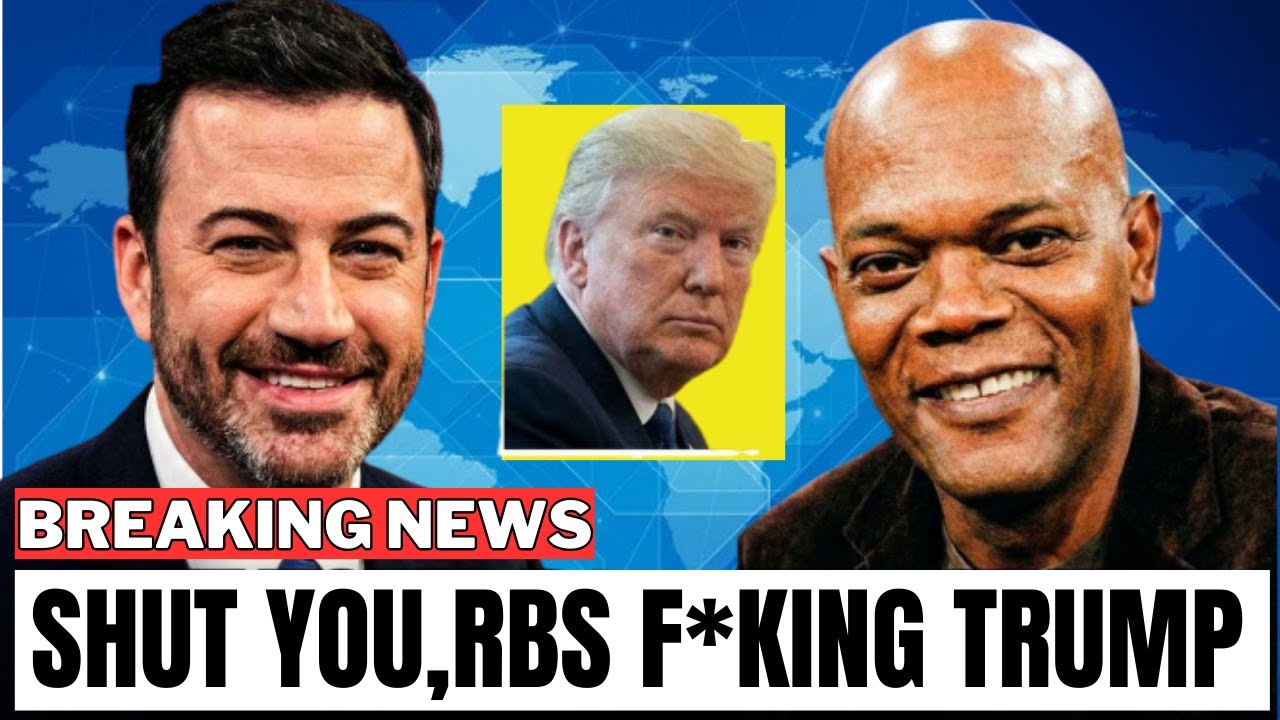
Television producers say this is not accidental. Audiences, worn down by constant crisis and confrontation, increasingly respond to moments that slow the tempo rather than accelerate it. A quiet question can linger longer than a shouted accusation. Silence, strategically deployed, can be harder to spin than noise.
Historians of media culture note that satire has always been most effective when it exposes patterns rather than personalities. By focusing on behavior—how leaders respond to scrutiny, how they treat dissent—the Kimmel segment shifted attention away from individual insults and toward a recurring dynamic: the fragility that sometimes lies beneath displays of confidence.
The moment did not claim to reveal new information. There were no leaks, no revelations, no declarations of victory. Instead, it offered a reframing. Viewers were invited to notice not what was said about Trump, but how he responded when the usual mechanisms of outrage were withheld.
That restraint, observers argue, may explain why the clip resonated across ideological lines. Even critics of late-night political comedy acknowledged that the segment felt different. It did not demand agreement so much as recognition

Whether this approach marks a lasting shift remains an open question. Political entertainment is, by nature, reactive, and outrage remains a powerful currency. But for one evening, at least, a late-night stage demonstrated that composure can be a counterpunch—and that in a media environment built on noise, refusing to shout can still command attention.