Federal Judge Orders Key Trump-Related Documents Unsealed, Escalating Legal and Political Pressure
WASHINGTON — A federal judge’s decision to unseal a significant body of court records related to former President Donald J. Trump has intensified scrutiny over ongoing investigations and revived debate about transparency, executive power and accountability.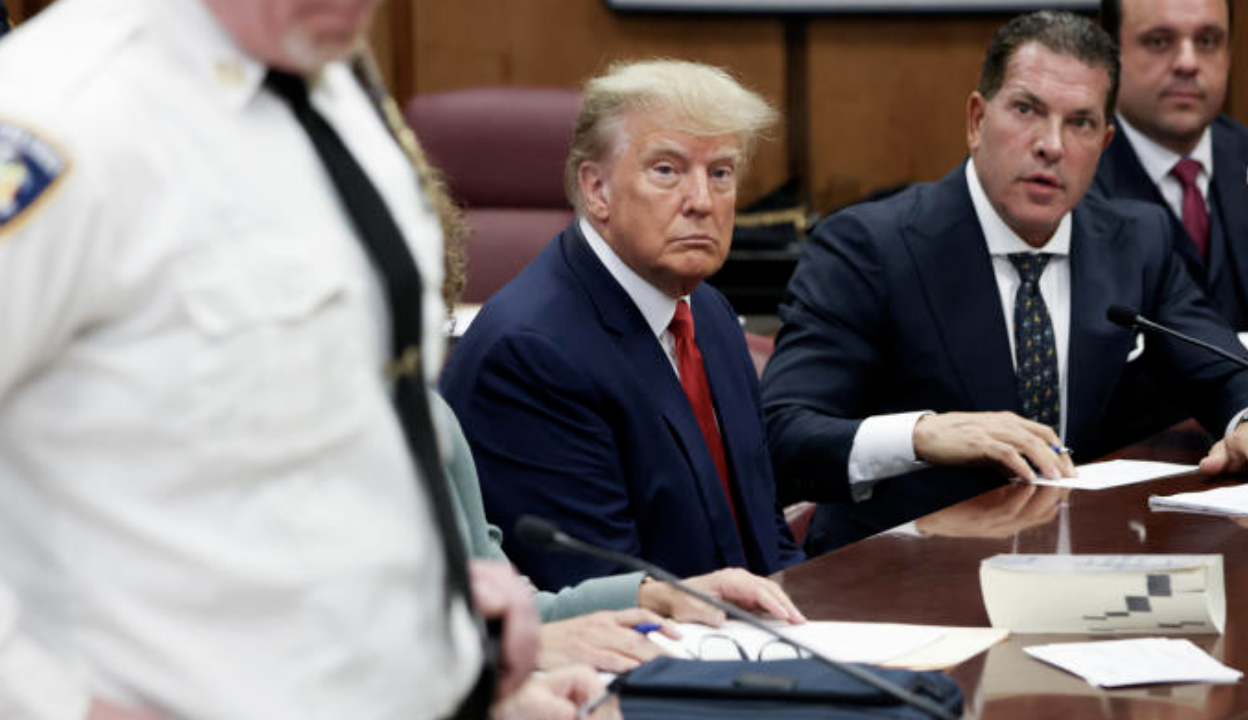
In a ruling delivered in open court, Judge Maryanne Keller ordered the release of documents that Mr. Trump’s legal team had sought to keep under seal. The materials reportedly include transcripts, financial records and internal communications that were previously shielded from public view during litigation over access to tax returns and other records.
The decision marks the latest setback in a series of legal battles in which Mr. Trump has attempted to limit disclosure of documents tied to investigations in New York and Washington.
In explaining her decision, Judge Keller said that the public’s interest in transparency outweighed arguments for continued secrecy. According to accounts from the courtroom, she rejected claims that disclosure would unfairly prejudice Mr. Trump or interfere with pending proceedings.
“The public has a right to understand the basis of judicial decisions,” the judge said, emphasizing that court records are presumptively open unless compelling reasons justify sealing them.
A Broader Legal Landscape

The ruling comes amid a web of civil and criminal proceedings involving the former president. In recent years, courts have addressed disputes over Mr. Trump’s tax returns, business practices and actions related to the aftermath of the 2020 election.
In one notable case, the Supreme Court declined to grant Mr. Trump absolute immunity from a state criminal subpoena seeking financial records, a decision that cleared the way for New York prosecutors to obtain his tax returns.
The newly unsealed materials are expected to be examined closely by legal analysts, lawmakers and the public. While details of the documents’ contents are still emerging, legal experts cautioned against drawing conclusions before the full record is reviewed.
“Unsealing documents does not automatically establish wrongdoing,” said one former federal prosecutor. “It allows the public and investigators to evaluate evidence in context. That process takes time.”
Political Fallout
Mr. Trump responded sharply to the ruling, criticizing what he characterized as politically motivated investigations. In posts on social media, he described the decision as part of a broader campaign against him and accused prosecutors of engaging in a “witch hunt.”
The former president’s allies have echoed those claims, arguing that judicial transparency is being used selectively and that Mr. Trump is being subjected to heightened scrutiny because of his political prominence.
Democrats, by contrast, have framed the ruling as a reaffirmation of the principle that no individual is above the law.
“This is about transparency and accountability,” said Representative Jamie Raskin of Maryland, a senior member of the House Judiciary Committee. “When courts determine that documents should be public, that decision strengthens democratic institutions.”
Potential Legal Implications
Legal scholars say the unsealing order could have ripple effects across multiple proceedings. Once documents become part of the public record, they may be referenced in related civil suits, congressional inquiries or criminal cases.
Still, experts note that the existence of internal communications or financial records does not itself establish criminal liability. Prosecutors would need to demonstrate intent and prove violations beyond a reasonable doubt.
“The standard for criminal conviction is extremely high,” said a professor of constitutional law at Georgetown University. “Public reaction and legal culpability are not the same thing.”
A Test of Judicial Transparency
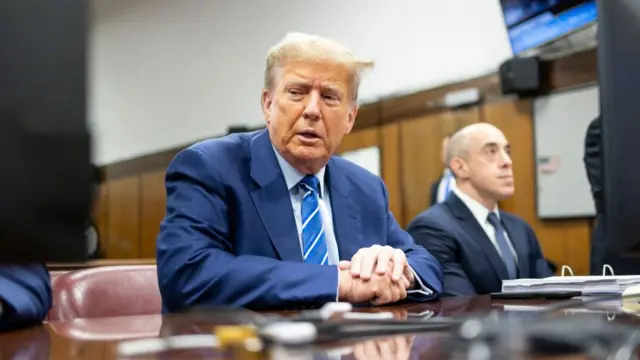
Judge Keller’s decision to read portions of the ruling aloud in court, rather than issuing only a written order, drew attention among court observers. Legal analysts described it as a symbolic affirmation of the judiciary’s commitment to openness.
Such public rulings are not unprecedented, but in politically charged cases they can signal an effort to reinforce confidence in the legal process.
The broader question now is how the newly available documents will be interpreted — and whether they materially alter existing cases against the former president.
For Mr. Trump, who remains a central figure in national politics, the ruling adds to an already complex legal and political landscape. For the courts, it underscores the delicate balance between protecting due process and upholding the public’s right to access judicial proceedings.
As the documents are reviewed in the coming days and weeks, their significance will depend less on political rhetoric and more on the careful examination of evidence — a process that, for now, has moved into the open.






