Trump Clashes With Reporter Over Epstein Question, Reviving Scrutiny and Political Tensions
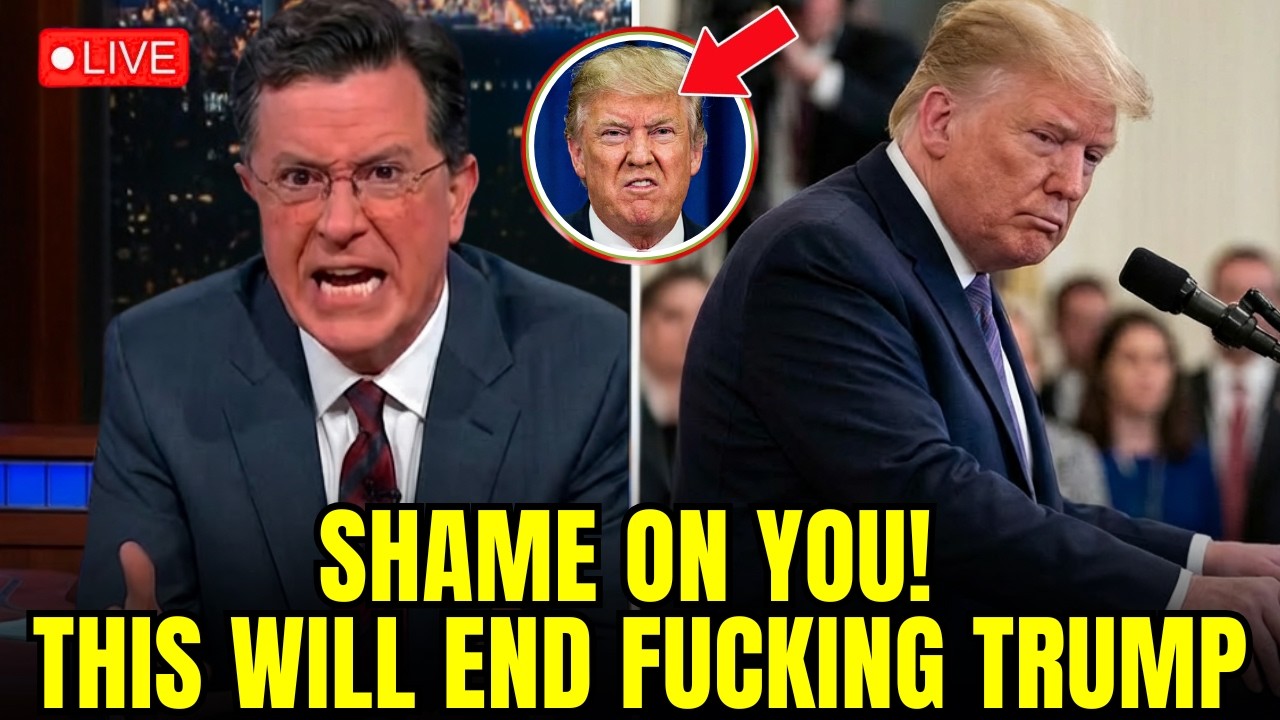
A brief exchange aboard Air Force One has reignited scrutiny over former President Donald J. Trump’s past association with Jeffrey Epstein, as well as his often combative relationship with the press.
When asked why he would not simply authorize the release of additional materials related to Epstein rather than waiting for congressional action, Mr. Trump responded sharply, criticizing the reporter and dismissing the issue as politically motivated.
“I think you are a terrible reporter,” Mr. Trump said. He went on to characterize renewed attention to Epstein-related matters as a partisan attack.
The exchange, which quickly circulated online, became the latest flashpoint in a long-running controversy surrounding Epstein, the financier who died in federal custody in 2019 while awaiting trial on sex trafficking charges.
A Familiar Pattern
Mr. Trump’s reaction follows a pattern that has defined much of his public life: when confronted with difficult or uncomfortable questions, particularly about past associations or investigations, he frequently pivots to attacking the questioner or the news organization itself.
This approach has energized his supporters, who often view media scrutiny as politically biased. But it also deepens concerns among critics who argue that the strategy deflects rather than addresses substantive issues.
In this instance, the underlying question centered on transparency. Why, if additional records exist, should their release hinge on congressional action rather than executive discretion?
The former president did not directly answer that question.
Renewed Focus on Epstein
Epstein’s network of high-profile acquaintances has long drawn public interest, including business leaders, politicians and celebrities. Mr. Trump has acknowledged knowing Epstein in the 1990s and early 2000s but has said their relationship ended years before Epstein’s 2019 arrest.
“I know nothing about them,” Mr. Trump said in response to follow-up questions about allegations tied to Epstein’s crimes.
Public records and photographs show the two men attending social events in the past, though Mr. Trump has stated that he severed ties with Epstein well before the criminal charges emerged.
The Epstein case continues to surface periodically in political discourse, often fueled by calls for greater disclosure of investigative materials. While some documents have been unsealed over time, others remain subject to legal processes and privacy considerations.
Late-Night Amplification
The confrontation also drew commentary from late-night television hosts, including Stephen Colbert, who used the moment to criticize the former president’s tone and approach. Such satire has become a fixture of the political landscape, particularly during and after Mr. Trump’s presidency.
For his supporters, these reactions reinforce a belief that entertainment media is aligned against him. For critics, they represent cultural accountability in the absence of clear political resolution.
Transparency and Political Risk
At the core of the episode is a broader question about how public officials handle transparency — especially when allegations involve deeply disturbing subject matter.
Calls for disclosure often collide with legal complexities, privacy rights and ongoing investigations. Yet the optics of resisting or deflecting such requests can carry political risk.
Political analysts note that moments like this rarely change entrenched opinions but can reinforce existing narratives.
“To supporters, this looks like strength,” said one political strategist. “To critics, it looks like evasion. The country sees two very different things in the same clip.”
An Ongoing Debate
The Epstein case remains a sensitive and emotionally charged issue because of the gravity of the crimes involved. Any public reference to it carries weight, particularly when survivors and victims remain central to the story.
Whether additional materials will be released — and what they may reveal — remains uncertain. What is clear is that questions about transparency and accountability continue to follow Mr. Trump, long after he left office.
The brief exchange aboard Air Force One did not resolve those questions. Instead, it added another chapter to a political style that has long blurred the line between confrontation and governance — and ensured that the debate over Epstein-related records is far from over.






