Trump’s Greenland Comments Renew Debate Over NATO, Alliances, and U.S. Foreign Policy
Former President Donald Trump’s renewed interest in Greenland has sparked fresh debate in Washington and abroad, prompting criticism from political opponents and cautious pushback from some Republicans.
Trump has previously argued that Greenland is strategically important for U.S. national security, citing its location in the Arctic and its proximity to key shipping lanes and military routes. The Arctic region has become increasingly significant as melting ice opens new trade corridors and as Russia and China expand their activities there.
However, critics say that rhetoric suggesting the United States should “acquire” Greenland — a self-governing territory within the Kingdom of Denmark — risks straining relations with a long-standing NATO ally.
A Strategic Flashpoint
Greenland occupies a critical position between North America and Europe. The U.S. already maintains Pituffik Space Base (formerly Thule Air Base) there under a defense agreement with Denmark. Military analysts note that the Arctic has grown in importance due to emerging security concerns, including increased Russian military presence and expanded Chinese investments in polar infrastructure.
Trump has framed his interest in Greenland as a matter of national security. “We need it from a national security perspective,” he has said in past remarks.
Yet Danish officials and Greenlandic leaders have repeatedly stated that the territory is not for sale. Greenland’s elected government has emphasized its autonomy and its right to determine its own future.
NATO and Republican Concerns
Some Republican lawmakers have signaled discomfort with rhetoric that could appear to undermine allied relationships.
Senate Minority Leader Mitch McConnell has previously emphasized the importance of NATO and alliance structures in maintaining global stability. While he has not endorsed Trump’s Greenland proposals, he and other Republicans have consistently argued that U.S. security is closely tied to its partnerships.
Foreign policy experts across party lines note that NATO’s Article 5 — the mutual defense clause — remains a cornerstone of Western security. Since its founding in 1949, the alliance has been central to U.S.-European cooperation.
“America’s security is deeply connected to its alliances,” one Republican foreign policy aide said privately. “The Arctic is strategically important, but that doesn’t mean jeopardizing relationships that have taken decades to build.”
Broader Foreign Policy Debate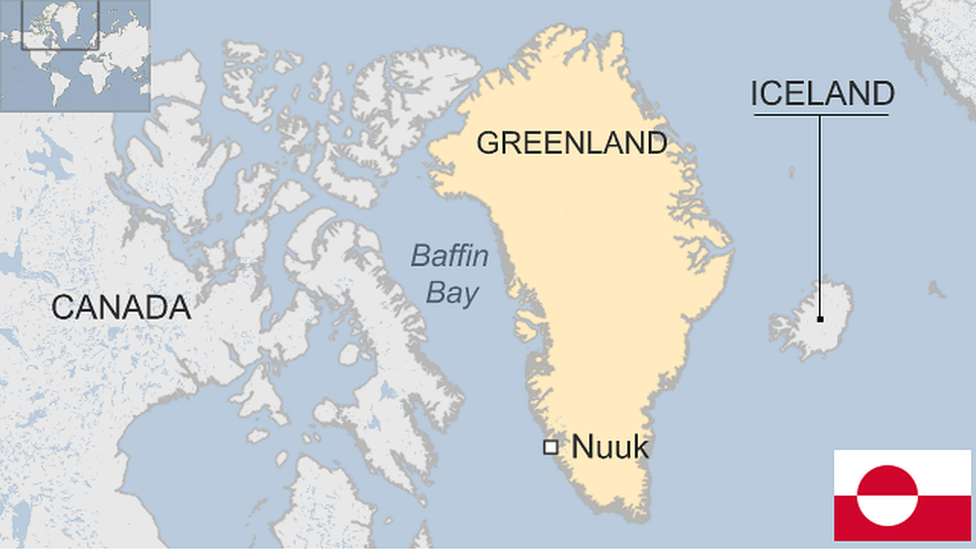
The controversy reflects a deeper ideological divide within U.S. politics over international engagement.
Trump has often argued for a more transactional approach to foreign policy, emphasizing burden-sharing and questioning longstanding commitments. Supporters say this approach forces allies to contribute more and protects U.S. taxpayers.
Critics contend that aggressive rhetoric toward allies risks weakening the trust that underpins international cooperation.
The debate comes amid ongoing geopolitical tensions, including Russia’s war in Ukraine and increasing U.S.-China competition. In that context, some analysts argue that alliance stability is more important than ever.
“The Arctic is strategically important, but diplomacy is also strategic,” said a former State Department official. “There’s a difference between strengthening your position and alienating partners.”
Public Opinion and Political Risk
Polling suggests limited public enthusiasm for acquiring Greenland. Surveys conducted in recent years have shown that only a small minority of Americans support the idea of purchasing or otherwise taking control of the territory.
For many voters, domestic economic issues — housing costs, inflation, healthcare, and infrastructure — remain higher priorities than territorial expansion.
This dynamic has fueled criticism that focusing on Greenland distracts from bread-and-butter concerns.
The Arctic’s Growing Importance
Despite the political controversy, the Arctic’s rising strategic significance is widely acknowledged.
The region holds untapped natural resources and is becoming more accessible as ice melts. Russia has expanded its Arctic military infrastructure, while China has declared itself a “near-Arctic state” and invested in regional research and development.
From a defense standpoint, Greenland’s geographic location provides early warning capabilities and monitoring advantages.
That reality complicates the discussion: while the rhetoric surrounding acquisition may be controversial, the underlying security interest in the Arctic is broadly recognized.
Diplomacy vs. Unilateralism
The episode underscores a recurring theme in modern American politics — how to balance assertive national security policy with alliance management.
Advocates of a strong alliance-based approach argue that cooperation, trade relationships, and shared defense commitments are central to long-term stability.
Supporters of Trump’s approach argue that U.S. leverage and economic power should be used more forcefully to secure strategic advantages.
Whether the Greenland debate results in lasting diplomatic tension remains unclear. Danish leaders have reaffirmed their partnership with the United States, and no formal proposal has advanced beyond rhetorical discussion.
Looking Ahead
As the 2026 midterms approach, foreign policy debates may intensify. NATO funding, Arctic security, and alliance commitments are likely to remain points of discussion within both parties.
The Greenland controversy illustrates how even hypothetical proposals can influence perceptions of U.S. leadership on the global stage.
Ultimately, the question facing policymakers is not only how to secure strategic interests in the Arctic — but how to do so while maintaining the alliances that have defined American foreign policy for more than seven decades.






