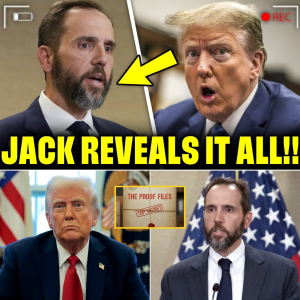
🚨 BREAKING: A Key Moment From Jack Smith’s Deposition Reignites Scrutiny of Trump’s Role in January 6

Washington was jolted this week after new details emerged from Special Counsel Jack Smith’s closed-door deposition—details insiders describe as the most consequential account yet of Donald Trump’s alleged conduct during the January 6, 2021 attack on the U.S. Capitol.
According to multiple legal observers familiar with the testimony, Smith laid out a stark prosecutorial narrative positioning Trump’s actions—and inaction—during the riot as central to the government’s broader case concerning efforts to overturn the 2020 election.
The Deposition Moment That Changed the Temperature
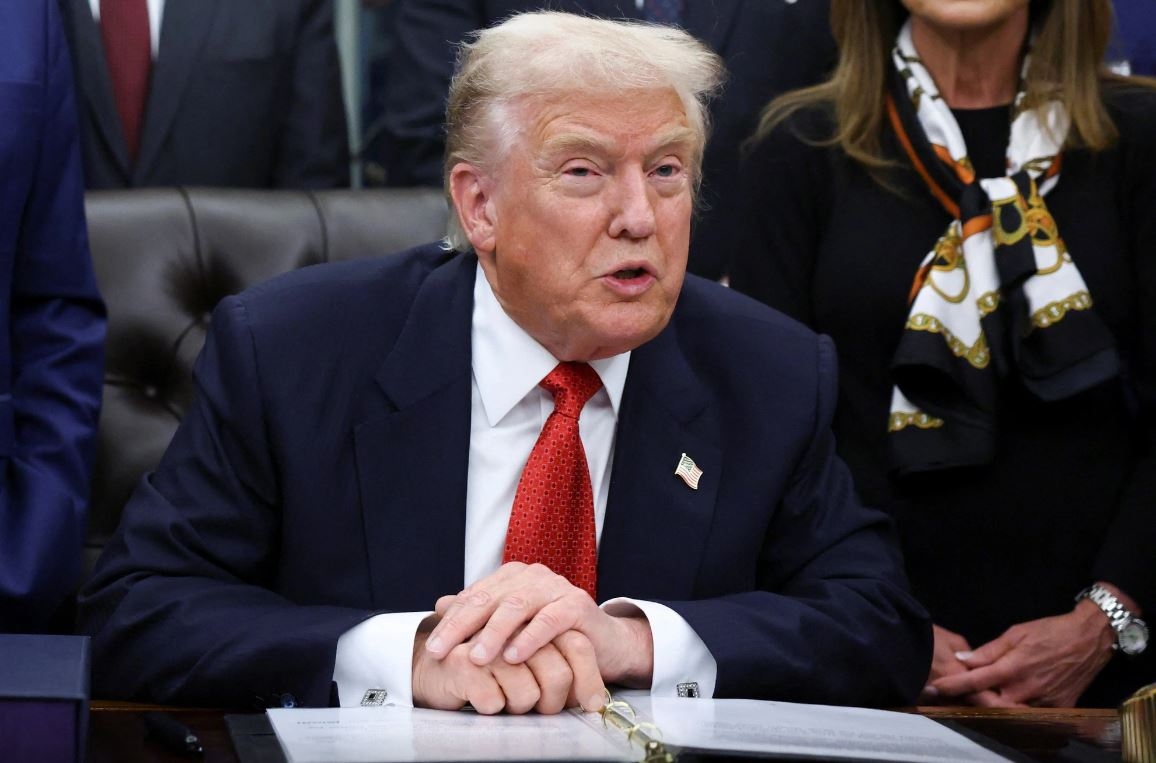
The deposition reportedly lasted nearly eight hours, but sources say it reached a critical inflection point when Smith addressed Trump’s behavior as the violence at the Capitol escalated.
According to those briefed on the testimony, Smith described Trump as remaining in contact with trusted allies while events spiraled out of control—yet declining to take decisive steps that might have helped stop the chaos or restore order.
Prosecutors, sources say, argue that this refusal to intervene was not accidental or insignificant, but deeply relevant to Trump’s intent and state of mind during one of the most volatile moments in modern U.S. history.
One reported line from the deposition—now circulating widely in political media—captures the prosecution’s position: Trump was “getting calls from people he trusts,” individuals allegedly tied to real-time developments on the ground.
Legal Meaning vs. Political Impact

Legal analysts were quick to caution that these claims represent the prosecution’s theory, not a judicial finding of fact. Still, the political and symbolic impact was immediate.
Within minutes of the details surfacing, Washington’s political media ecosystem went into overdrive—interrupting programming, assembling emergency panels, and pushing deposition-related headlines across cable news and digital platforms.
Social media followed suit. Hashtags linked to the deposition surged nationwide as Trump supporters and critics clashed in real time, racing to frame the narrative before it hardened in public perception.
Supporters dismissed the reported account as politically motivated theater and selective leaking. Critics described it as deeply damaging, arguing it reinforced long-standing concerns about leadership, responsibility, and accountability at the highest level of power.
A Broader Pattern, Prosecutors Say
According to sources familiar with the deposition, Smith did not limit his remarks to January 6 alone. Instead, he reportedly outlined what he characterized as a sustained pattern of conduct—including efforts to overturn election results, obstruct the peaceful transfer of power, mishandle classified materials, and interfere with subsequent justice processes.
Observers noted that Smith repeatedly emphasized his approach was driven by evidence rather than ideology, maintaining what was described as a calm but firm prosecutorial posture throughout questioning.
One particularly striking moment, according to those present, came when Smith addressed the implications of prosecuting a former president. He reportedly insisted that party affiliation played no role in his decisions, arguing that the rule of law must apply equally to all Americans—including those who once held the nation’s highest office.
Swift Pushback From Trump’s Allies
Trump’s allies reacted forcefully, issuing statements that dismissed the reported deposition details as selective leaks designed to influence public opinion rather than inform judicial proceedings.
Supportive lawmakers warned that closed-door testimony filtered through unnamed sources lacks full context and should not be treated as established fact or legal conclusion. Some went further, accusing Smith of attempting to litigate his case through media narratives instead of courtroom evidence.
Trump himself has consistently denied wrongdoing related to January 6 and the 2020 election aftermath, portraying investigations into his conduct as partisan attacks disguised as law enforcement.
Why This Moment Matters
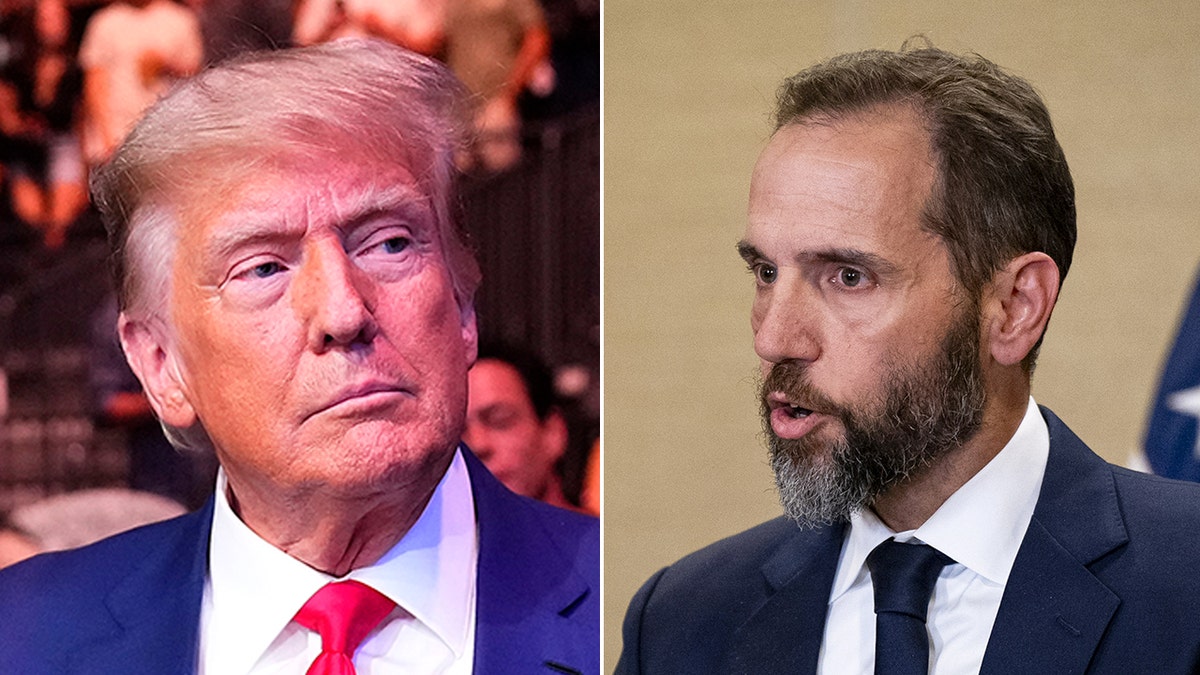
Legal experts watching from the sidelines urged restraint.
“What ultimately matters,” one former federal prosecutor noted, “is what can be proven in court under established legal standards—not what generates the loudest headlines.”
Yet even those voices acknowledged a political reality: perception often shapes public judgment long before verdicts are reached—especially when the subject is a former president who remains a dominant political figure.
For many Americans, January 6 remains an unresolved national trauma. Any new allegation tied to that day reopens questions about leadership, loyalty, and the resilience of democratic institutions.
Calls are already growing for the release of the full deposition transcript or recordings. Whether additional material becomes public remains uncertain, but each fragment—verified or not—continues to fuel outrage, defense, and speculation.
The Bigger Picture
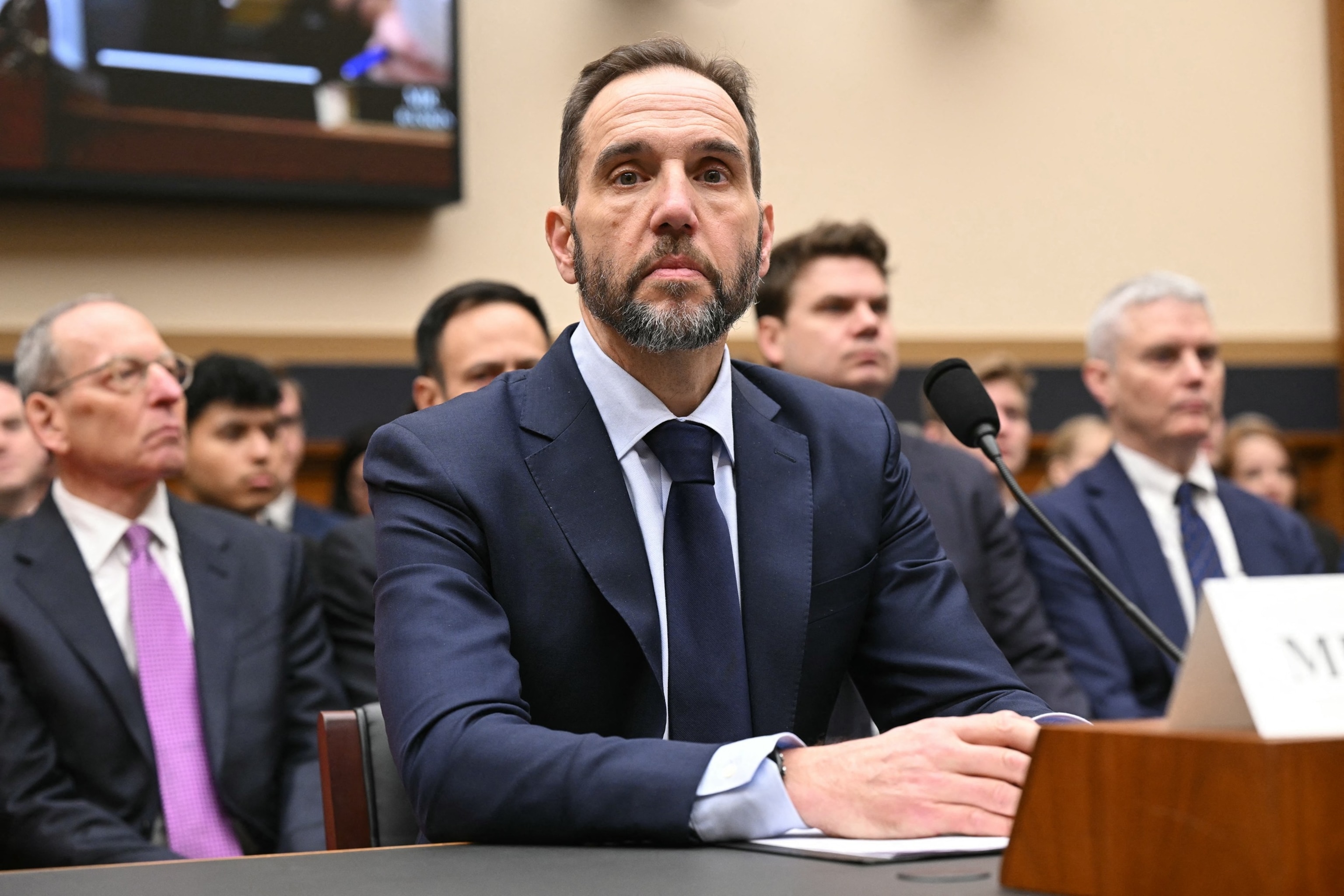
What began as a procedural legal step has now become a focal point in a broader struggle over truth, power, and accountability in modern American politics.
Supporters see persecution. Critics see a reckoning. Few minds appear easily changed.
What is undeniable is this: the legal battles surrounding Donald Trump are no longer confined to courtrooms. They are shaping campaign narratives, media agendas, and public discourse nationwide.
And as the nation watches for what comes next, one reality looms large—the reckoning over January 6 is far from finished.