White House Confronts Intensifying Scrutiny as Epstein Files Roil Washington
The White House faced mounting political pressure on Wednesday as questions surrounding newly released and still-withheld documents related to Jeffrey Epstein reverberated across Washington, deepening partisan divides and fueling demands for further disclosure.
At the center of the controversy are claims by Representative Jamie Raskin of Maryland, the ranking Democrat on the House Judiciary Committee, who said that unredacted Justice Department files connected to the Epstein investigation contain extensive references to former President Donald J. Trump. Speaking to reporters earlier this week, Mr. Raskin asserted that Mr. Trump’s name appears tens of thousands of times in documents already released and potentially far more in materials that remain under seal.
The Justice Department has not publicly confirmed those figures, and no comprehensive accounting of the references has been independently verified. Still, the allegations have intensified scrutiny of the administration’s handling of the Epstein case and its broader transparency commitments.
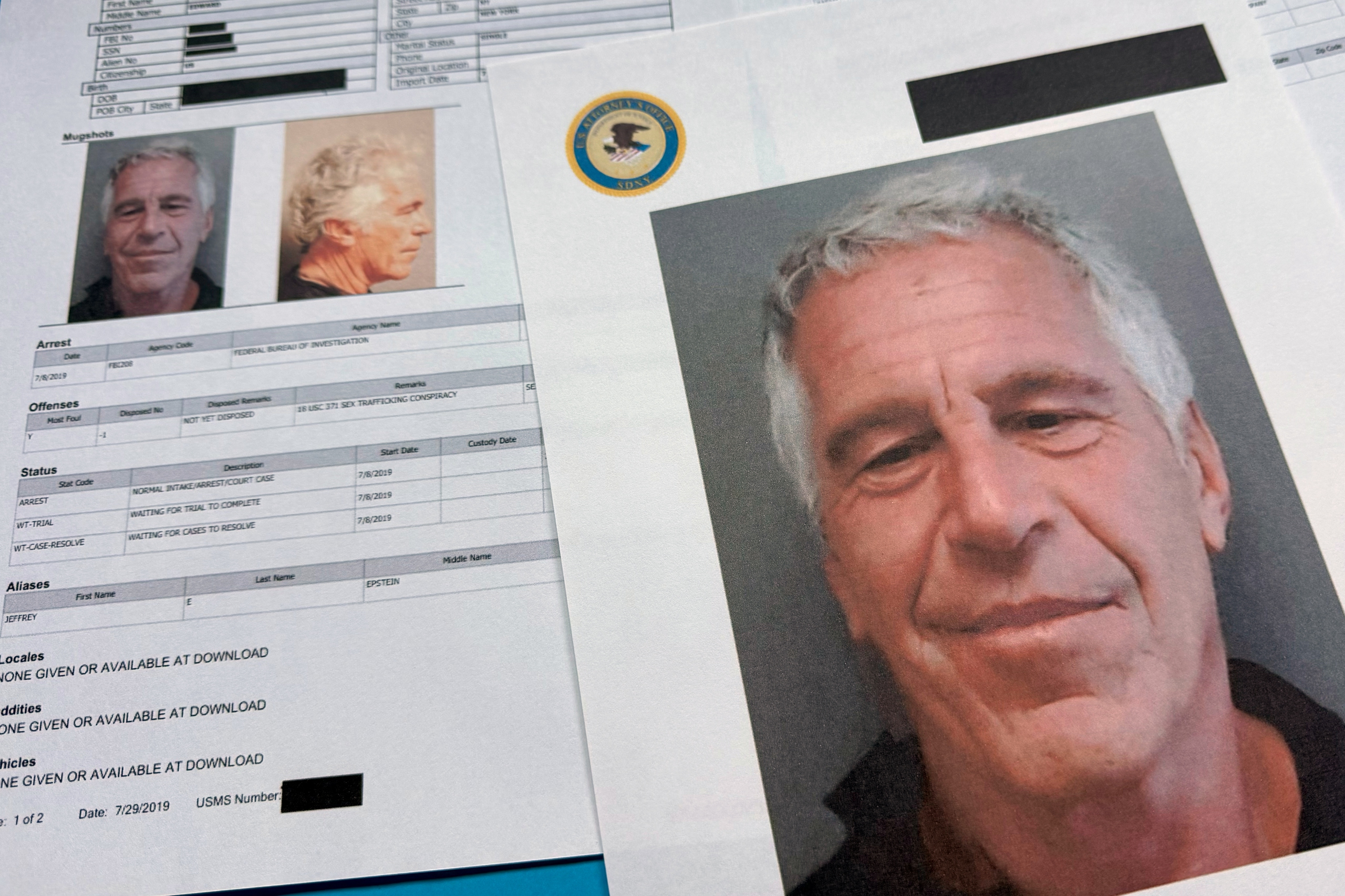
More than three million pages of documents tied to Epstein — the financier who died in federal custody in 2019 while awaiting trial on sex trafficking charges — have been released in stages over the past several months. The records include court filings, flight logs, emails and other materials collected during investigations into Epstein and his longtime associate Ghislaine Maxwell, who was convicted in 2021 on federal sex trafficking charges and is serving a 20-year prison sentence.
Yet lawmakers from both parties say significant portions remain redacted or undisclosed.
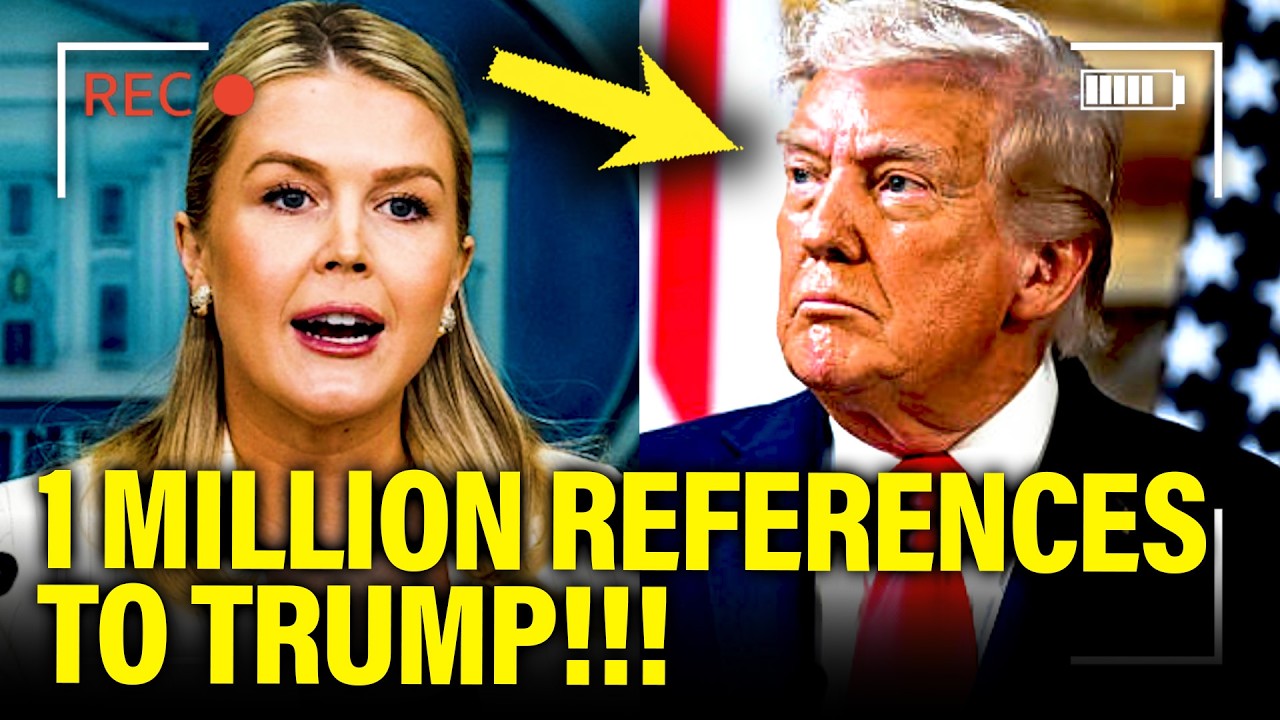
At a press briefing on Wednesday, White House press secretary Karoline Leavitt defended the administration’s approach and rejected suggestions that it was withholding information to shield political allies.
“The release of more than three million documents related to Jeffrey Epstein and his heinous crimes demonstrates this administration’s commitment to transparency,” Ms. Leavitt said. “President Trump has always been consistent: He cut off his relationship with Jeffrey Epstein years ago and expelled him from Mar-a-Lago because he considered him a creep.”
Pressed repeatedly by reporters about whether Mr. Trump would categorically rule out granting clemency to Ms. Maxwell, Ms. Leavitt declined to provide a definitive answer. She said the issue was “not a priority” for the president and that she had not recently discussed it with him.
“Last time we did speak about it, he said it’s not something he’s considering,” she added.
The refusal to issue a clear rejection of a potential pardon drew criticism from Democrats, who argued that even entertaining the possibility would undermine public trust.
“This should not be a difficult question,” Mr. Raskin said in a separate interview. “The American people deserve clarity.”
The controversy has also extended beyond the president. Commerce Secretary Howard Lutnick faced questions this week after testifying before Congress that he had visited Epstein’s private Caribbean island in 2012 with his family, years after he said he had severed ties with the financier. Justice Department records released earlier this year show that some communications between Mr. Lutnick and Epstein continued beyond 2005, contradicting earlier public statements.
Asked whether the White House still had confidence in Mr. Lutnick, Ms. Leavitt responded that he “remains a very important member of the president’s team” and that Mr. Trump “fully supports” him.
House Speaker Mike Johnson, Republican of Louisiana, also dismissed calls for Mr. Lutnick’s resignation. “Howard Lutnick is a great commerce secretary,” Mr. Johnson told reporters. “I trust his word.”
Democrats have seized on the discrepancies as evidence of broader credibility problems within the administration. Representative Thomas Massie, Republican of Kentucky, has also called for further clarification regarding the timeline of Mr. Lutnick’s relationship with Epstein.
The Epstein issue has become an unexpected flashpoint in an already volatile political environment. Republicans argue that the administration has released more material than prior administrations and accuse critics of weaponizing the case for partisan gain. Democrats counter that full transparency requires the publication of unredacted files and a clear accounting of who appears in them and why.
Beyond the Epstein matter, Wednesday’s briefing touched on a series of unrelated controversies that underscored the breadth of challenges confronting the White House.
Ms. Leavitt confirmed that President Trump had limited invitations to an upcoming National Governors Association dinner at the White House to Republican governors, prompting Democratic governors to withdraw from the event. “It’s the president’s home,” she said. “He can invite whomever he wants.”
The president has also raised objections to the Gordie Howe International Bridge, a long-planned crossing between Detroit and Windsor, Ontario. Although the bridge is being financed primarily by Canada and built with significant American labor and materials, Mr. Trump suggested in a social media post that the United States should have greater ownership and control. Canadian officials have not publicly responded to the latest remarks, but the project has been widely viewed as critical to cross-border trade.
In addition, Ms. Leavitt addressed questions about reports that Mr. Trump floated renaming major infrastructure landmarks — including Washington Dulles International Airport and New York’s Penn Station — during a conversation with Senator Chuck Schumer, Democrat of New York. She described the suggestion as informal and separate from ongoing funding discussions over the Gateway rail tunnel project, which links New York and New Jersey.
The White House also denied that it was facing internal turmoil over social media posts by senior officials. Vice President JD Vance recently deleted a post referring to the Armenian genocide after diplomatic tensions with Turkey, and the president removed a separate post that critics described as racially insensitive. Ms. Leavitt said there had been “no change of policy” and rejected suggestions of a broader communications problem.
Economic issues remain a focal point for the administration. Responding to concerns from cattle ranchers about increased beef imports from Argentina, Ms. Leavitt said that “both things can happen at the same time” — prices for consumers can decline while domestic producers are protected. Administration officials argue that limited imports could ease inflationary pressures without undermining American agriculture.
Yet the Epstein case continues to dominate headlines and congressional inquiries. Lawmakers from both parties have signaled that additional hearings are likely in the coming weeks. The House Judiciary Committee is expected to seek further testimony from Justice Department officials about the scope of unreleased materials.
For many in Washington, the renewed attention underscores the enduring political power of the Epstein scandal, which has implicated figures across the political and social spectrum. Even years after Epstein’s death, the case remains a lightning rod — a symbol, critics say, of elite impunity and institutional failure.
Whether the latest document releases will yield substantive new revelations or simply deepen partisan suspicion remains unclear. But as lawmakers demand answers and the White House pushes back, the political fallout shows little sign of abating.
“The public has a right to the truth,” Mr. Raskin said. “And the only way to restore trust is full transparency.”
For now, that debate — over what has been revealed and what remains hidden — is likely to intensify.