TRUMP LOSES IT AFTER RICHARD WOLFF EXPOSES A SHOCKING TRUTH ON LIVE TV — “THE AMERICAN EMPIRE IS OVER”
A live television appearance by renowned economist Richard Wolff has ignited a political firestorm after he dismantled the economic narrative Donald Trump has spent years selling to the American public. Speaking on Al Jazeera’s UpFront, Wolff delivered a blunt assessment that cut through slogans and spectacle, declaring that the United States is no longer merely declining but has already passed its peak — a statement that reportedly enraged Trump allies and sent conservative media scrambling.
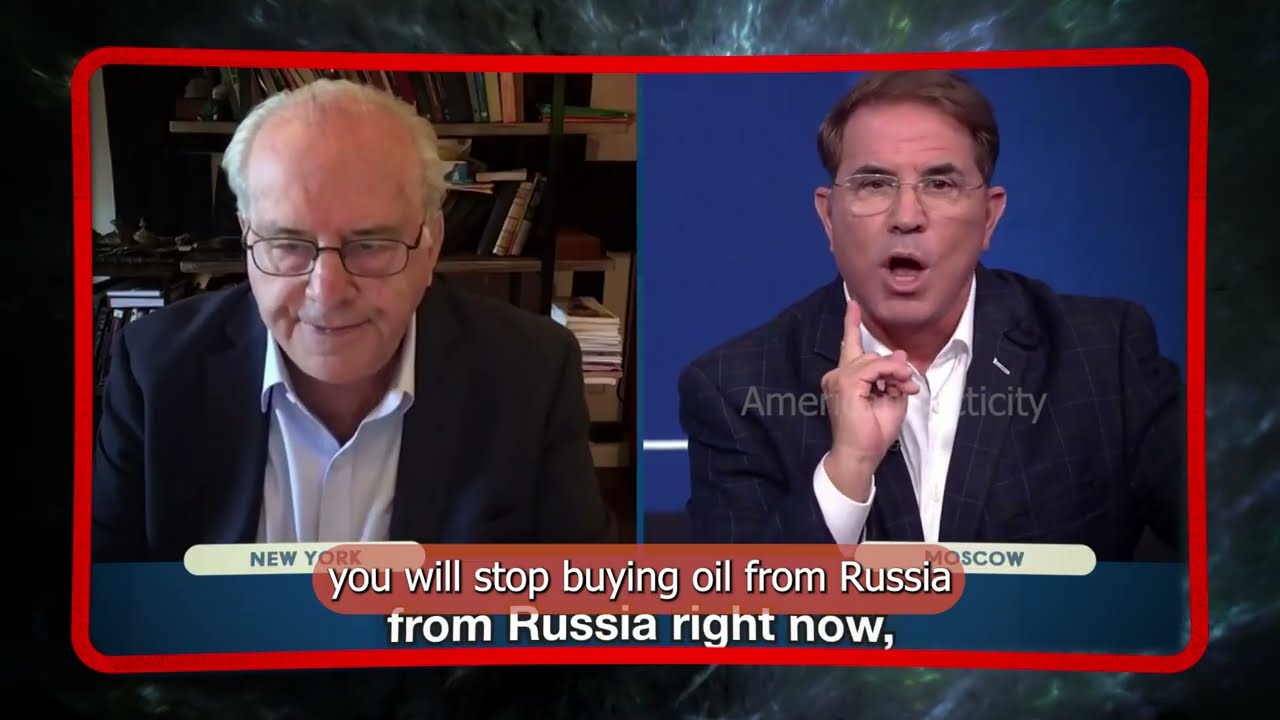
Wolff’s core argument was devastatingly simple: Trump’s economic worldview is stuck in the past. While Trump continues to frame America as a victim of unfair trade and foreign exploitation, Wolff argued that the U.S. has been one of the greatest beneficiaries of global capitalism over the last half-century. According to Wolff, blaming China, Mexico, or tariffs masks the real issue — an economic system designed to enrich the top one percent while hollowing out the middle class.
The economist took direct aim at Trump’s signature policies. Tariffs, Wolff explained, do not revive domestic manufacturing as promised. Instead, they raise prices for American consumers, trigger retaliation from trade partners, and push jobs further offshore. The result is higher inflation and fewer export opportunities, the exact opposite of Trump’s “America First” pledge. Wolff pointed out that global manufacturing leadership has already shifted, citing China’s dominance in electric vehicles, infrastructure, and supply chains.
Wolff also exposed the contradiction at the heart of Trump’s tax agenda. Trump’s massive tax cuts overwhelmingly benefited corporations and the wealthy, while their extension has required trillions in new borrowing. That borrowing, Wolff noted, increasingly depends on foreign creditors — including China. The irony, he said, is stark: a president who claims to be tough on China is making the U.S. more financially dependent on it to keep the government running.
Beyond economics, Wolff warned that Trump’s approach reflects a broader pattern seen in declining empires. As global influence wanes, leaders turn to nationalism, scapegoating, and institutional purges to maintain control. Wolff described mass firings in federal agencies and attacks on independent institutions as signs of desperation, not strength, arguing that “efficiency” has become a buzzword used to justify dismantling the very systems that sustain long-term stability.
The segment resonated because it reframed the debate in stark terms. This was not about partisan spin or cable-news theatrics, but about power, reality, and denial. Wolff’s conclusion left little room for deflection: America’s challenge is not foreign enemies or unfair trade, but an unwillingness to confront structural inequality at home. For Trump, the truth Wolff exposed wasn’t just uncomfortable — it struck at the foundation of his entire political myth.