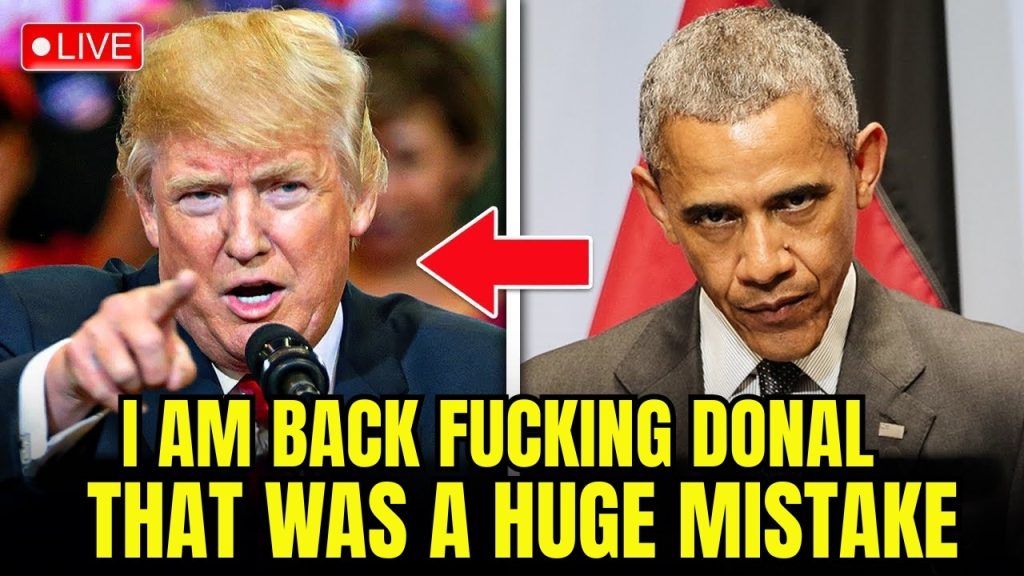
In the contemporary grammar of American politics, silence can be as loud as a rally.
This week, Barack Obama released a short, tightly edited video that functioned less as rebuttal than as reframing. It arrived after a familiar volley of criticism from Donald Trump, who had revived longstanding attacks on Mr. Obama’s leadership in a series of public remarks and online posts. The exchange might once have unfolded through dueling press conferences. Instead, it played out through a three-minute clip calibrated for the algorithm.
The video’s production was spare. Mr. Obama sat alone, no podium, no cheering audience, speaking directly into the camera. The aesthetic suggested deliberation rather than confrontation. He did not raise his voice. He did not name-call. He did something more methodical: he displayed a timeline.
One claim. One date. One reversal.
The structure was simple — almost prosecutorial. A statement by Mr. Trump was shown on screen, followed by a subsequent remark that appeared to contradict it. Mr. Obama avoided labeling the pattern as scandalous. He called it habitual. “Let’s keep it on the record,” he began, a phrase that signaled documentation rather than drama. 📑
Political strategists often describe modern messaging as a contest between velocity and coherence. Mr. Trump has long favored velocity — rapid, high-volume responses that flood the zone and redirect attention. Mr. Obama’s video chose coherence. It slowed the pace. It asked viewers to sit with inconsistency rather than react to provocation.
Midway through the clip came the line that has since circulated widely online: “Strength isn’t volume. Strength is consistency.” The remark was neither shouted nor emphasized theatrically. It was delivered as a premise, not a punchline. Analysts later observed that the statement reframed the metric of leadership itself — from dominance to durability.
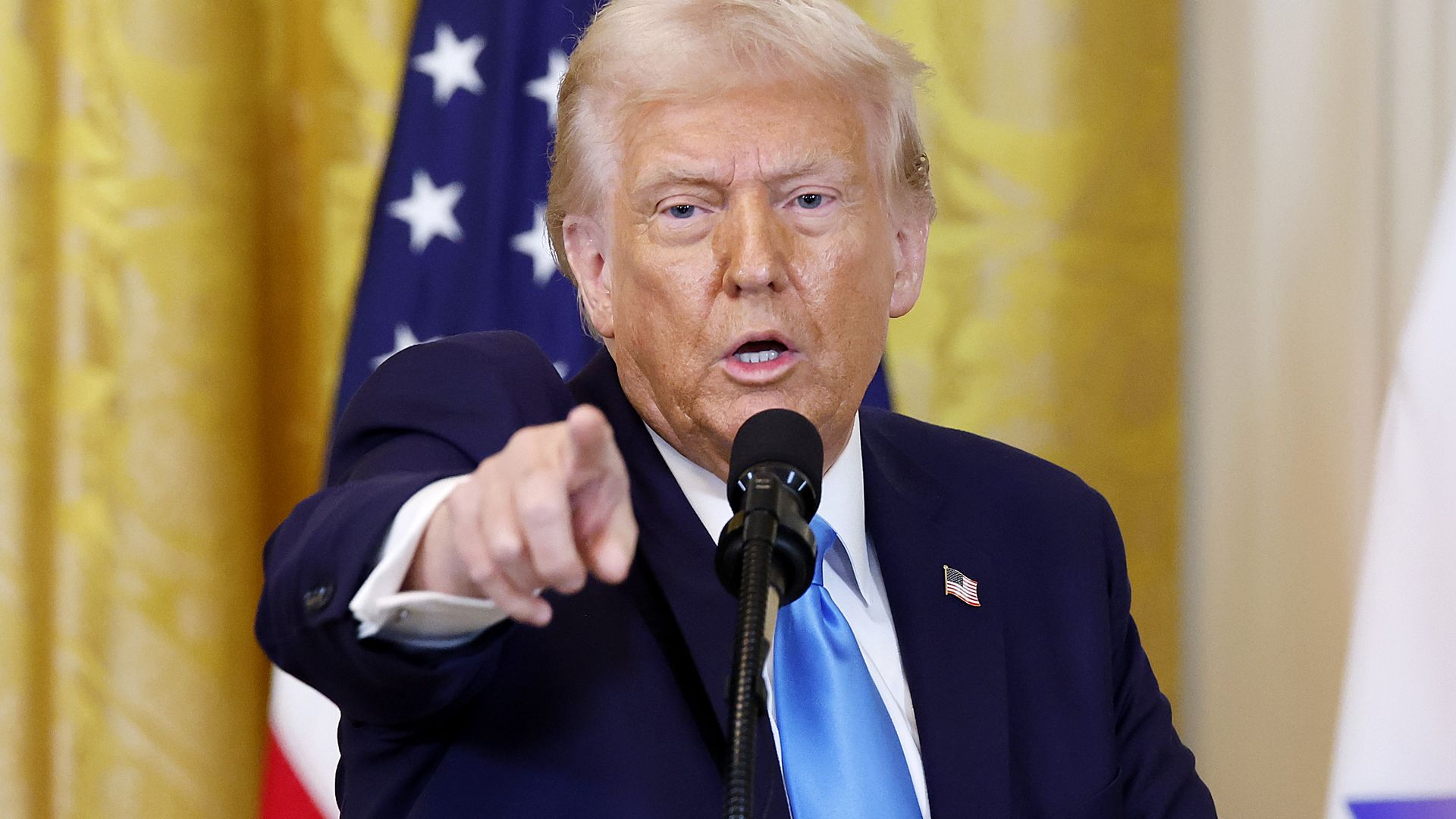
The video did not allege criminal conduct. It did not introduce new documents. It did not attempt a viral “mic drop.” Instead, it posed a question: If a leader is always winning, why does he always need to explain? The inquiry was rhetorical but pointed, inviting viewers to consider narrative shifts as evidence of instability rather than adaptability.
Within hours, the clip spread across social media platforms, shared by supporters and critics alike. Its portability — short, subtitled, segmented — made it ideal for repetition. In an environment saturated with outrage, its restraint became its novelty. 🎥
Mr. Trump did not immediately respond to the specific video. His public schedule in the days that followed appeared lighter than usual, though aides insisted that no strategic retreat was underway. Allies dismissed the clip as recycled criticism. Still, television panels replayed the timeline segments repeatedly, and reporters began incorporating the central question into briefings: Why do the stories change?
Communication scholars note that the power of such a message lies not in accusation but in pattern recognition. Humans are wired to detect repetition. A single contradiction can be dismissed as error. A series invites inference. By organizing existing statements into a linear sequence, Mr. Obama shifted the cognitive burden onto viewers. 🔍
The exchange underscores a broader evolution in political combat. Once, televised debates were the primary battleground. Now, self-produced video statements can command equal attention. The medium allows control over pacing, framing and emphasis. There are no moderators to interrupt, no live crowd to sway the tempo.
Mr. Obama’s tone also contrasted with Mr. Trump’s established rhetorical style. Where Mr. Trump tends toward superlatives and immediacy, Mr. Obama opted for stillness. The contrast amplified itself. Supporters described the video as a “comeback.” Critics characterized it as calculated and self-righteous. Both assessments acknowledged its strategic intent.
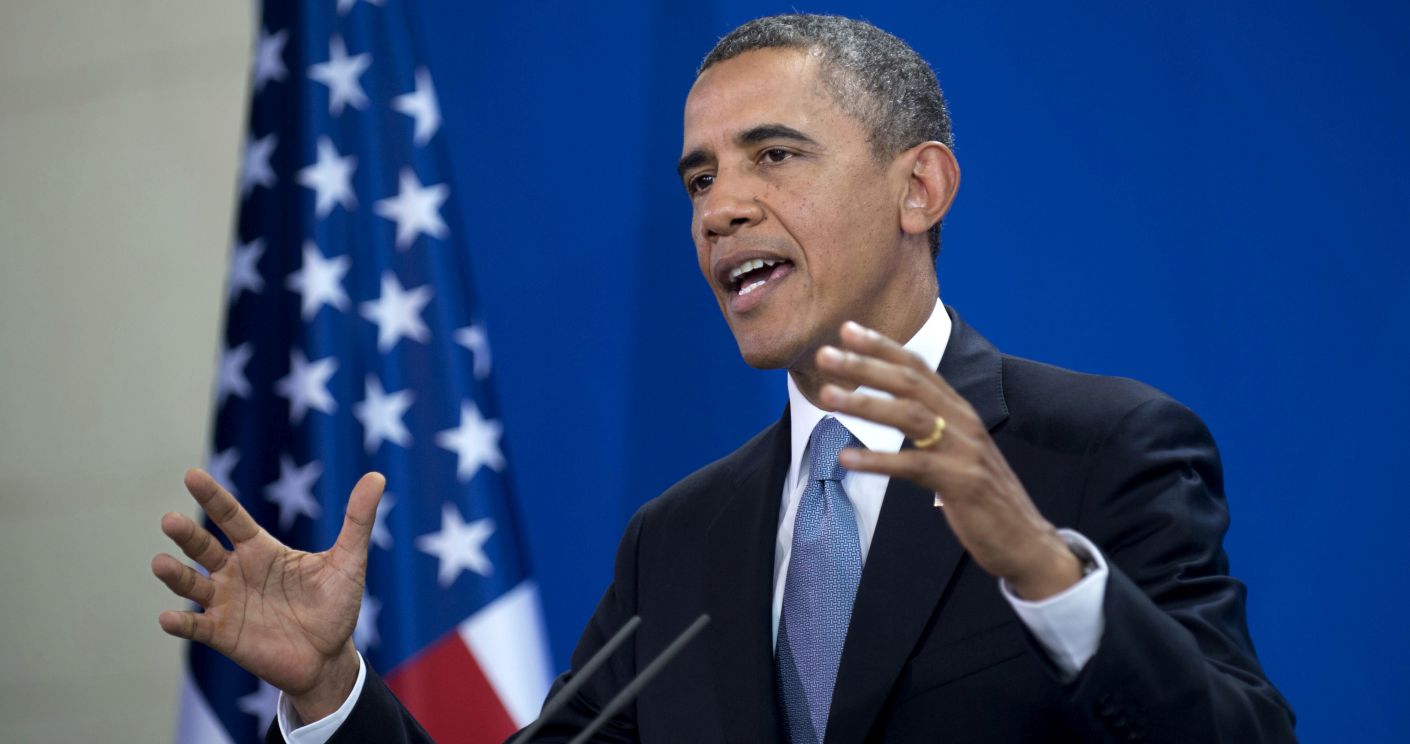
The episode reveals something less about policy and more about performance theory in politics. Brands built on constant visibility depend on momentum. When confronted with a message that cannot be easily mocked or reframed — one that offers no insult to counterattack — the usual tools lose traction.
Whether Mr. Trump’s relative quiet reflects tactical patience or simple scheduling is impossible to determine from the outside. What is clear is that the conversation shifted. For several news cycles, commentary focused not on Mr. Trump’s original criticism but on the timeline presented in Mr. Obama’s video.
In an era defined by speed, Mr. Obama wagered that slowness could still command attention. He declined the invitation to escalate and instead imposed a standard: coherence over clamor, documentation over decibel level.
The internet often rewards spectacle. Yet it also rewards pattern. 📊
If this exchange endures, it will not be because of a shouted insult. It will be because one former president chose to present a record and let viewers decide whether the noise aligned with it.






