A political storm has descended upon the U.S. capital as the Department of Justice (DOJ) officially released what it calls the “final tranche” of the Jeffrey Epstein investigative files. Containing 3.5 million pages, 2,000 videos, and 180,000 images, the release was framed as a victory for transparency. However, behind these massive figures lies an infuriating reality: over 3 million pages remain concealed, and the most powerful names continue to be shielded behind black redaction bars.
 1. The 6-Million Figure and the “Vanishing” Half of the Truth
The most controversial aspect of this release is the staggering discrepancy between what the DOJ identified and what was actually made public. According to reports, the DOJ flagged over 6 million pages related to Epstein but released only 3.5 million.
-
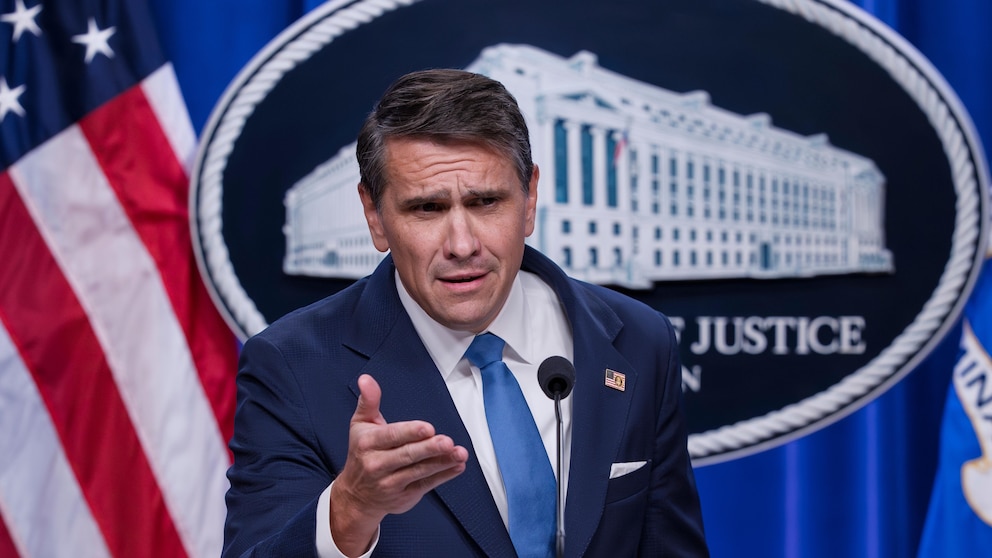
The DOJ’s Justification: Deputy Attorney General Todd Blanche stated that the remaining documents were “duplicative or non-responsive”.
-
Public Skepticism: Who decides what is “non-responsive”? In a DOJ currently overseen by Trump appointees, this self-determined filter is viewed by critics as a “scrubbing” operation to protect high-level politicians, including Donald Trump himself.
-
Legislative Backlash: Representative Ro Khanna and other lawmakers immediately questioned why only half the truth was exposed. The absence of a summary explaining the legal basis for withholding these millions of pages is a direct violation of the Epstein Files Transparency Act.
2. Donald Trump and the “Dog That Hasn’t Barked”
Amid the millions of pages, details directly involving Donald Trump have become the focal point of scrutiny. Newly disclosed emails from the Epstein estate paint a dark picture of the relationship between the late pedophile billionaire and the former President.
-
The 2011 Email: Ghislaine Maxwell and Jeffrey Epstein corresponded about Trump spending hours at Epstein’s home with a human trafficking victim (whose name was redacted). Epstein referred to Trump as “the dog that hasn’t barked”—a term suggesting a cryptic silence regarding the crimes occurring in his presence.
-
Political Leverage: A 2015 email suggests Epstein held “leverage” over Trump. It noted that if Trump denied ever being on the plane or at the house, it would provide Epstein with invaluable “PR and political currency”.
-
Preemptive DOJ Protection: In an unusual move, Todd Blanche used the press conference to preemptively defend Trump, calling the allegations in the files “untrue and sensationalist.” This effort to dismiss claims before the public could even review them suggests a clear intent to minimize Trump’s political fallout.
3. Outrage of the Survivors: “The Powerful Remain Hidden”

While the DOJ claims to have met its legal obligations, survivors and victims’ advocates feel betrayed once again.
-
Purposeful Redactions: While redactions are purportedly for victim privacy, critics argue they are being used to mask the perpetrators. When victims are blacked out in photos, the powerful men standing beside them effectively become invisible.
-
Compounded Trauma: Survivors allege that the DOJ is publishing painful details of their trauma while allowing perpetrators to remain protected by legal barriers and political shields.
4. Stalling Tactics and Future Implications

The DOJ missing the statutory deadline by six weeks was not merely a technical error. Observers suggest this was a stalling tactic to time the release for maximum political advantage.
-
Erosion of Trust: Selective transparency is often worse than total secrecy. It creates an illusion of openness while maintaining strict control over the narrative.
-
An Unfinished War: The DOJ’s attempt to “close the Epstein chapter” has backfired. Instead, it has ignited new legal battles, congressional hearings, and demands for the missing 3 million pages.
Conclusion: The Truth Will Not Be Buried

The Department of Justice may have controlled this document dump, but they cannot control public fury or the persistence of those seeking justice.
The Epstein files are no longer just a criminal case; they are a litmus test for the morality and integrity of America’s most powerful institutions. As long as 3 million pages remain in the dark, Donald Trump and other names on the “blacklist” will face unrelenting skepticism and political pressure. Justice may be delayed by redaction pens, but the truth always finds a way out.