Trump Targets Jimmy Kimmel, but the Feud Plays Out on Familiar Ground
By Staff Writer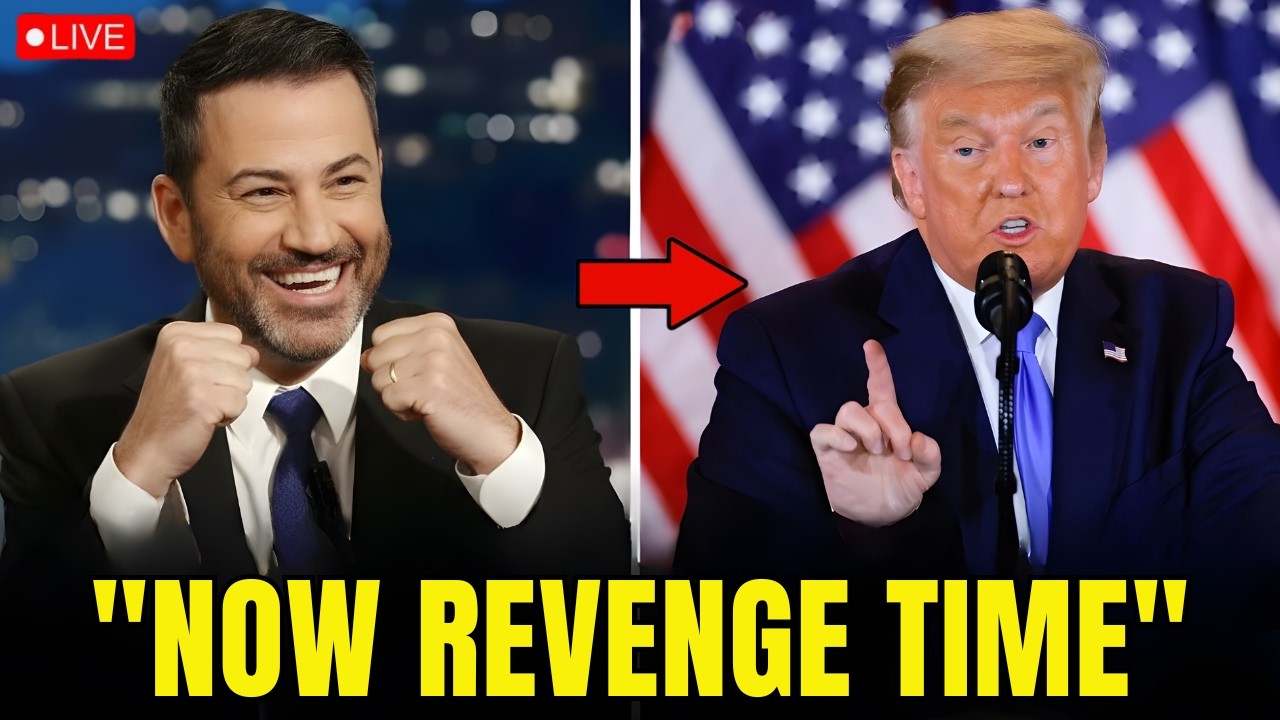
In the latest chapter of a long-running tension between late-night television and American politics, former President Donald Trump criticized ABC and host Jimmy Kimmel in a series of social media posts, questioning the comedian’s ratings and calling for his removal from the air.
The remarks, posted late at night on Trump’s platform, were consistent with his history of publicly challenging media figures who mock or criticize him. Over the years, Trump has frequently labeled television networks “biased” and described entertainers and journalists as “untalented” or “failing” when they spotlight his statements or policy positions.
Kimmel, who has often used his monologue to scrutinize Trump’s rhetoric and conduct, addressed the comments during his broadcast the following evening. Rather than responding with a direct insult, Kimmel displayed one of Trump’s posts on screen and read it aloud, pausing as the audience reacted. He then pivoted to a broader critique of political communication, suggesting that personal attacks often substitute for substantive debate.
The segment that followed focused less on the insult itself and more on what Kimmel characterized as a pattern in Trump’s public statements. Using video clips and previous remarks, the host highlighted instances in which Trump appeared to contradict earlier comments. The tone was pointed but structured, resembling a media analysis segment as much as a comedy routine.
Late-night television has increasingly become a venue for political commentary. Hosts like Kimmel, Stephen Colbert and Seth Meyers frequently blend humor with pointed criticism, particularly during election cycles. Trump, for his part, has repeatedly framed such commentary as partisan advocacy rather than entertainment.
Media scholars say this cycle — criticism followed by counter-criticism — reinforces engagement on both sides. “It’s a feedback loop,” said one communications professor who studies political rhetoric. “Political figures respond to entertainers, entertainers respond to political figures, and the audience becomes part of the amplification.”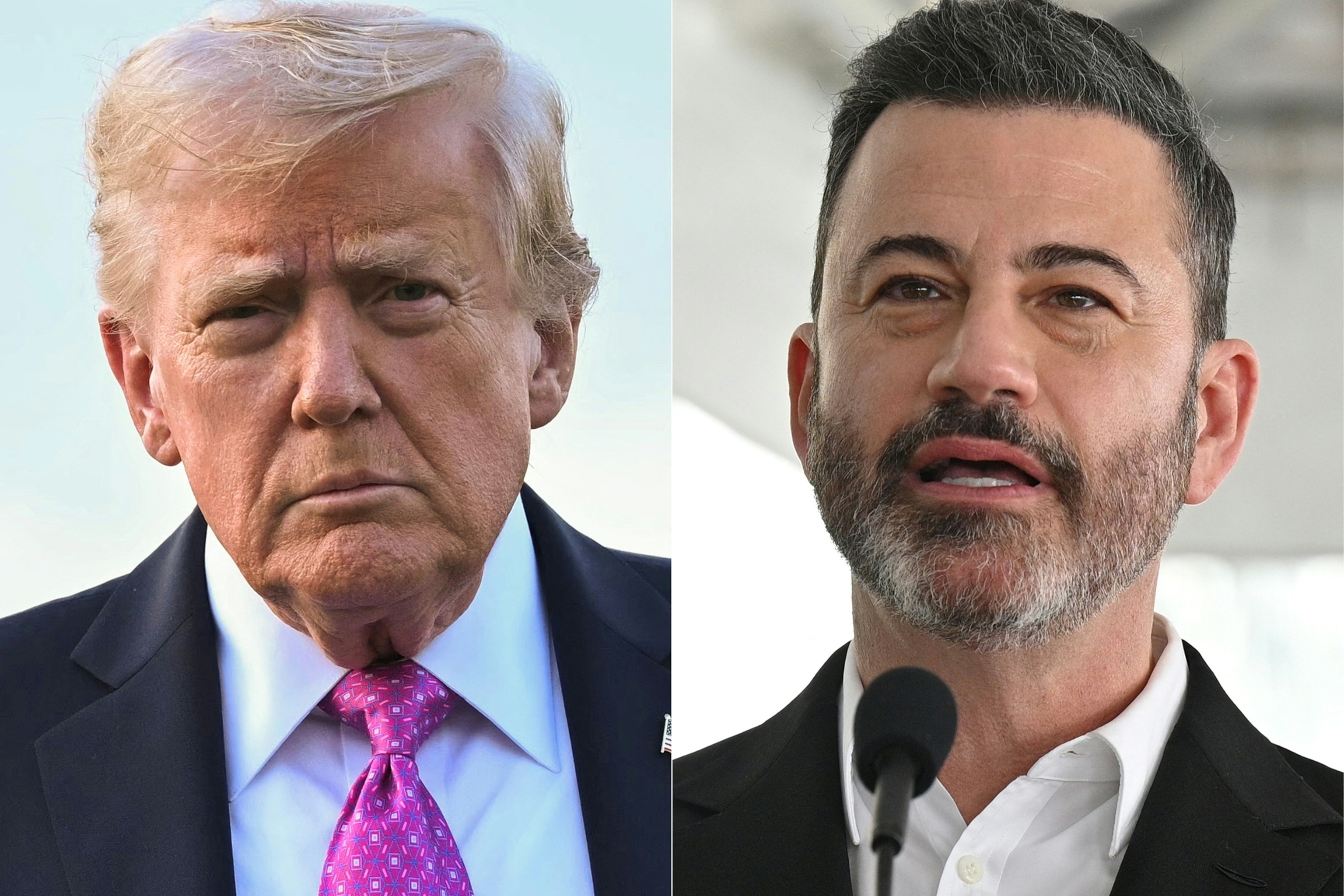
In the hours after Kimmel’s segment aired, clips circulated widely across social media platforms. Supporters of Kimmel praised the format of the rebuttal, saying it emphasized documented statements rather than personal attacks. Trump allies, meanwhile, dismissed the show as politically motivated and reflective of broader media hostility.
Trump later posted again, reiterating his criticism and asserting that he does not watch the program — though he referenced specific elements of the segment in subsequent comments.
The exchange highlights a broader dynamic in American political culture: the convergence of entertainment, digital media and presidential politics. Since Trump’s first campaign in 2015, late-night hosts have become some of his most persistent critics. At the same time, Trump has shown an unusual willingness to engage directly with entertainers, often elevating their remarks by responding to them publicly.
Neither ABC nor representatives for Trump responded to requests for additional comment about the exchange. Kimmel’s show continues to draw stable viewership within the competitive late-night landscape, where ratings are measured not only in live audiences but also in digital engagement.
For now, the clash appears to be another episode in a familiar pattern — political rhetoric meeting televised satire, each side using the other to energize its audience. In an era when social media accelerates every confrontation, even a brief monologue can become a flashpoint in the ongoing debate over tone, truth and influence in American public life.






