Old Clips and Redaction Disputes Fuel Renewed Debate Over Epstein Records
By Staff Writer
WASHINGTON — A contentious congressional hearing over the handling of documents related to Jeffrey Epstein has reignited political debate and prompted renewed scrutiny of redactions in federal records, as well as resurfaced media clips involving former President Donald Trump.

During recent testimony before Congress, Attorney General Pam Bondi faced pointed questioning from Representative Dan Goldman, a Democrat from New York, about redacted materials in Epstein-related files. Goldman referenced an email exchange between Epstein and Ghislaine Maxwell that he said contained withheld communications involving Trump or his legal representatives. He pressed Bondi to explain the legal basis for keeping portions of those materials from public release.
Bondi responded that certain documents were protected by privilege, though Goldman disputed that interpretation during the exchange.
The disagreement has intensified broader calls from lawmakers in both parties for greater transparency regarding the Epstein investigation and related records. While officials maintain that sensitive redactions are necessary to protect ongoing matters and legal standards, critics argue that excessive withholding fuels speculation and undermines public trust.
At the same time, several media outlets and online commentators have begun circulating archival footage from the 1990s and early 2000s that shows Trump at beauty pageants and social events, as well as interviews in which he discussed his role as pageant owner. Some of those clips include remarks about inspecting dressing areas at competitions and other comments that critics characterize as inappropriate, while supporters argue they have been taken out of context.
Other resurfaced footage includes televised reporting from the early 1990s describing tennis player Monica Seles’ temporary stay at Trump’s Mar-a-Lago estate, as well as interviews with entertainer Luther “Uncle Luke” Campbell recounting his experiences at social gatherings in Palm Beach during that era. These accounts, which have circulated online for years, are receiving renewed attention in light of ongoing document disputes.
Trump has previously acknowledged knowing Epstein socially but has repeatedly denied any wrongdoing or knowledge of criminal conduct. Federal prosecutors have not charged Trump in connection with the Epstein case.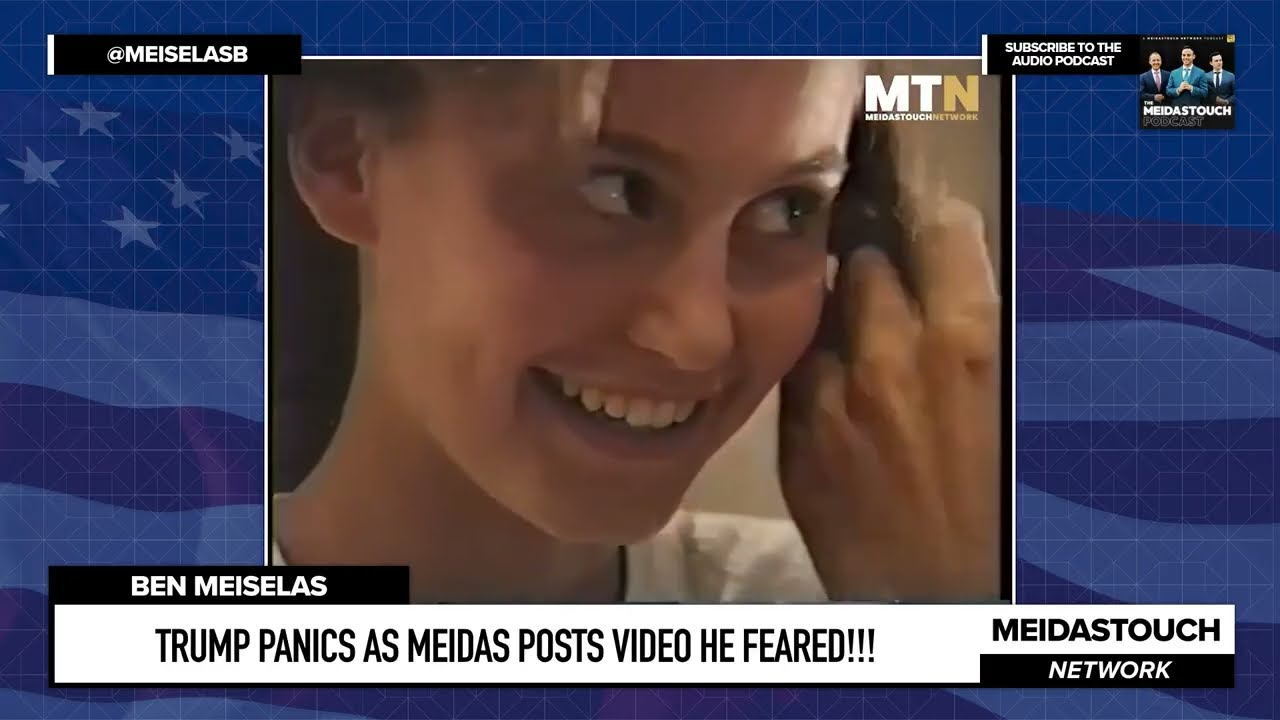
Legal experts note that disputes over redactions often involve competing considerations, including attorney-client privilege, privacy protections and investigatory confidentiality. “When documents intersect with prominent public figures, transparency concerns and legal safeguards can collide,” said one former federal prosecutor.
The controversy underscores how unresolved public questions surrounding Epstein continue to shape political narratives years after his death. While no new charges have emerged in connection with the resurfaced clips, the renewed circulation of archival material demonstrates how historical footage can influence current political debates.
For now, the focus remains on whether additional Epstein-related documents will be released and how lawmakers assess the Justice Department’s handling of the matter. As congressional inquiries continue, the intersection of past associations, media archives and present-day politics appears unlikely to fade from public discussion.






