TRUMP LOSES IT AFTER JIMMY KIMMEL AND ROBERT DE NIRO EXPOSE HIM ON LIVE TV
Late-night television crossed a line Trump never expected. During a viral episode of Jimmy Kimmel Live, Jimmy Kimmel and Robert De Niro delivered one of the most blistering, unforgettable takedowns in modern TV history—forcing Donald Trump into a public meltdown that spilled straight onto social media. What began as comedy quickly turned into a raw indictment of power, censorship, and fear, watched by millions in real time.

The segment centered on Kimmel’s return after a controversial suspension that ignited national outrage over free speech and political intimidation. Rather than easing back in, Kimmel escalated. He welcomed De Niro for a surprise appearance, setting the stage for a sketch that mocked authoritarian control with surgical precision. De Niro portrayed a fictional, mob-style federal regulator who openly threatened comedians while swearing on air—a caricature so close to reality that the audience erupted in shocked laughter.
De Niro’s performance cut deeper than satire. Channeling the gangsters he famously portrayed in Goodfellas and The Irishman, he exposed how power can be abused when government agencies are treated like personal weapons. Lines like “speech ain’t free no more—we’re charging by the word” landed because viewers recognized the truth beneath the joke: praise the president and you’re safe, criticize him and you’re punished. The studio laughter carried a nervous edge, because the scenario no longer felt hypothetical.
The fallout was immediate. Within hours, Trump erupted online, attacking De Niro personally and questioning his intelligence, talent, and credibility. It was a familiar pattern—deny, insult, deflect—but this time it backfired. Instead of controlling the narrative, Trump amplified it. Clips of the segment spread across social media, racking up millions of views and reigniting debates about censorship, intimidation, and the role of comedy in holding power accountable.
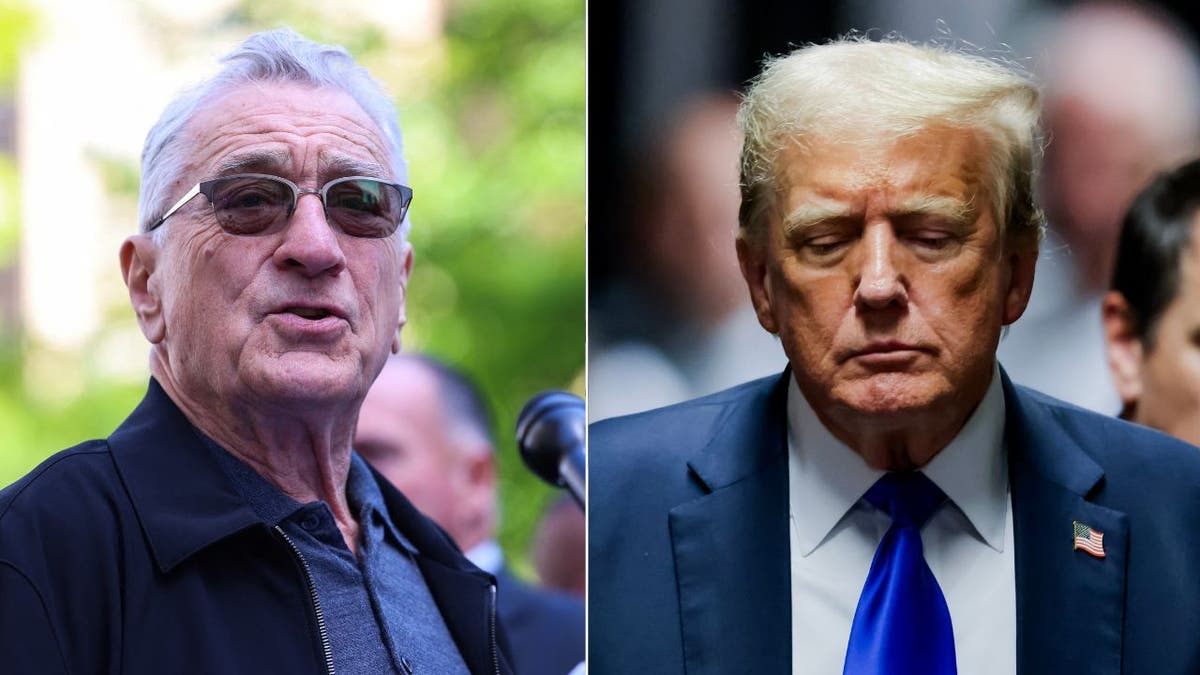
What made the moment historic was its timing and clarity. This wasn’t a vague jab or passing joke—it was a sustained, unapologetic confrontation broadcast on a major network. Kimmel didn’t retreat. De Niro didn’t soften his message. Together, they showed how satire can reveal uncomfortable truths more clearly than press conferences or legal filings ever could, especially when fear has silenced so many other voices.
By the end of the night, the message was unmistakable. Trump could rage, threaten, and insult, but he couldn’t stop the laughter—or the conversation. What played out on live television wasn’t just entertainment; it was resistance packaged as comedy. And judging by Trump’s furious reaction, it hit exactly where it hurt the most.






