TRUMP ERUPTS AFTER JIMMY KIMMEL DESTROYED KAROLINE LEAVITT ON LIVE TV
Late-night television once again ignited a political firestorm after Jimmy Kimmel unleashed a series of blistering monologues targeting White House Press Secretary Karoline Leavitt, triggering an explosive reaction from Donald Trump. Despite viral claims suggesting a dramatic on-air confrontation, the truth proved even more damaging: Leavitt never appeared on Kimmel’s show at all. Instead, Kimmel dismantled her credibility night after night from behind his desk—on national television.

The controversy was fueled by a wave of AI-generated fake videos that falsely depicted Leavitt clashing with Kimmel on Jimmy Kimmel Live. Fact-checkers and major networks quickly debunked the clips, confirming no such interview ever took place. But the damage had already spread online, racking up millions of views. Ironically, the fabricated drama distracted from the real story: Kimmel’s actual jokes and commentary were far more brutal—and entirely real.
Kimmel zeroed in on Leavitt’s rapid rise to power, mocking what he portrayed as blind loyalty to Trump and a habit of repeating easily debunked claims. From her first press briefings to her handling of sensitive questions, Kimmel framed Leavitt as the latest in a long line of press secretaries forced to defend the indefensible. Comparisons to past Trump-era spokespeople landed hard, signaling to viewers that history was repeating itself in real time.
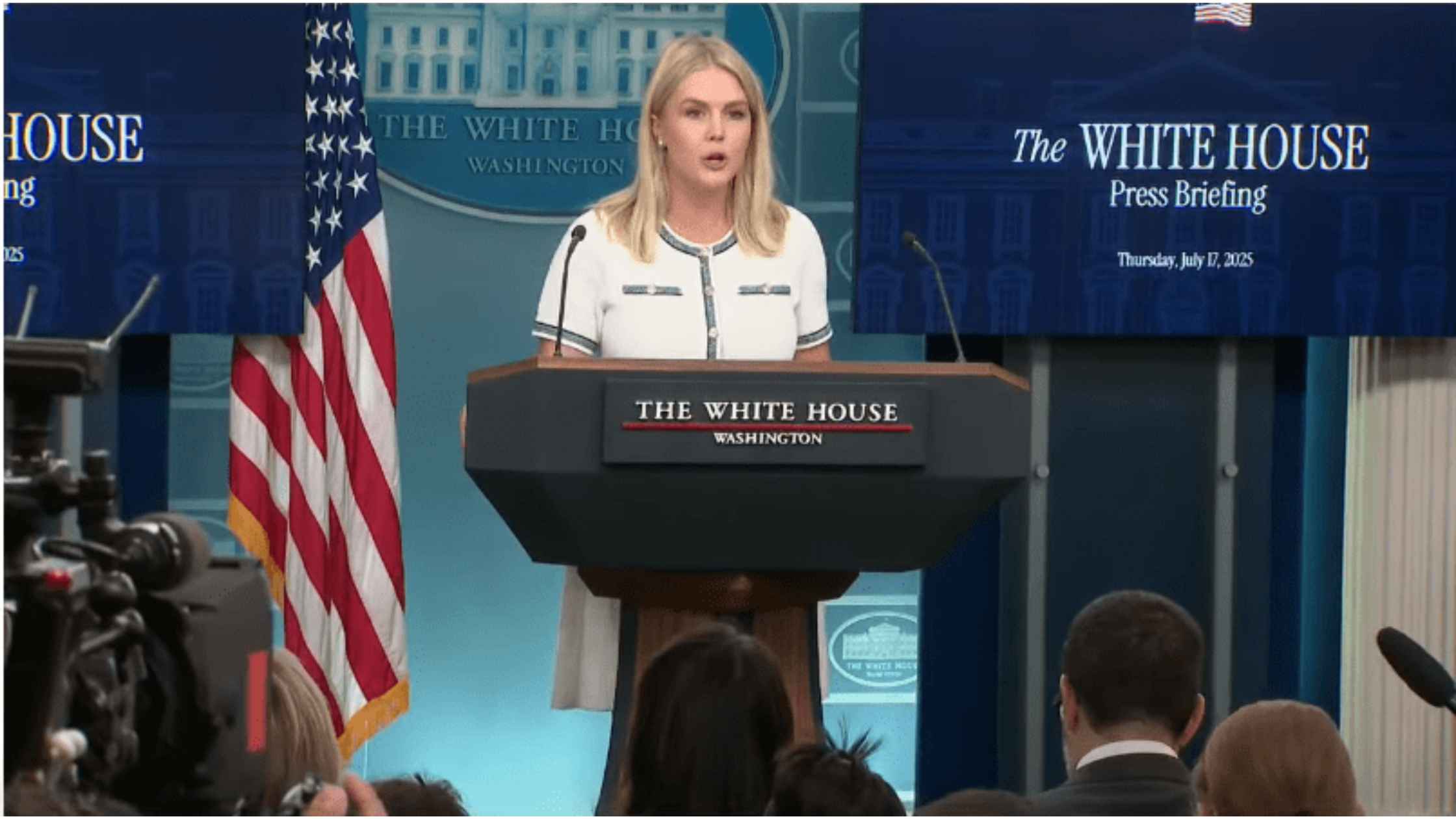
Things escalated when Kimmel highlighted Trump’s own remarks about Leavitt, replaying clips that many viewers found deeply uncomfortable. The late-night host openly questioned workplace norms inside the White House, drawing laughter mixed with visible unease from his audience. Social media lit up as the segments went viral, with critics arguing that Kimmel was saying out loud what mainstream political coverage often avoids.
Leavitt’s response never came from Kimmel’s stage. Instead, she turned to friendly conservative outlets, dismissing the comedian as irrelevant while accusing late-night television of bias and misogyny. Yet the repeated media appearances only amplified the story, reinforcing the sense that Kimmel had gotten under her skin. Each denial seemed to fuel another round of jokes, keeping the spotlight firmly on her.
Trump’s reaction was swift and furious. As Kimmel’s clips spread, Trump erupted online, lashing out at late-night hosts and accusing them of coordinated attacks. But the outburst only magnified the moment. In the end, the fake videos promised a showdown that never happened—but the real saga was more revealing. Without ever sharing a stage, Jimmy Kimmel managed to dominate the narrative, leaving Trump angry, Leavitt defensive, and late-night comedy once again at the center of America’s political conversation.






