The political media world was jolted after Donald Trump reacted furiously to renewed scrutiny sparked by comments from Howard Stern on live radio. Stern, reflecting on past interviews with Trump during the campaign years, acknowledged that controversial remarks were often taken out of context but argued they still revealed an unfiltered personality that now sits uncomfortably alongside presidential power. What followed was a rapid escalation that reignited debate over media pressure, free speech, and political retaliation in modern America.
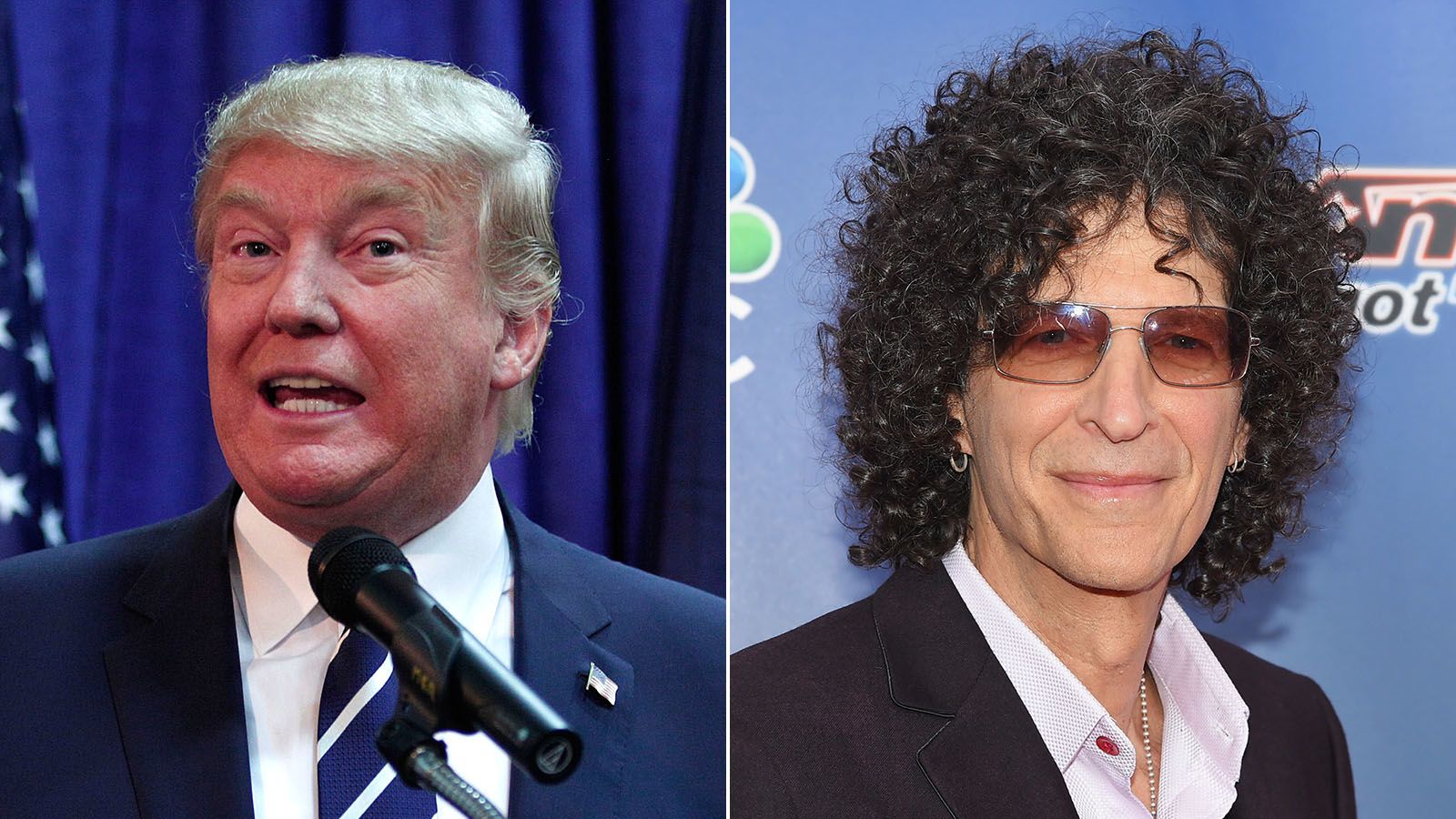
Stern explained that many infamous Trump quotes resurfacing today originally aired in a joking, shock-radio environment, not as formal political statements. Yet he stressed that Trump’s appeal was built on that very lack of restraint, a quality that once entertained audiences but now collides with the expectations of public office. By revisiting those interviews, Stern suggested the country was being forced to confront how much of Trump’s public persona had always been visible, even if many chose not to take it seriously at the time.
The controversy widened as late-night television entered the spotlight. Jimmy Kimmel became central to the story after criticizing Trump’s attacks on journalists and entertainers. When Kimmel’s show faced suspension pressure from broadcast affiliates amid regulatory threats, it transformed what might have been a media feud into a larger institutional conflict. The timing fueled concerns that political power was being leveraged to intimidate critical voices rather than counter them with argument.

Trump’s response was swift and aggressive. He celebrated the suspension publicly, mocked multiple late-night hosts, and framed the situation as proof that criticism of him was losing popularity. Supporters viewed it as long-overdue accountability for hostile media, while critics saw something more troubling: a president openly endorsing consequences for speech he disliked. The clash exposed how blurred the line has become between political messaging, entertainment, and regulatory authority.
Stern broke his silence days later with an emotional defense of free expression, arguing that the issue was no longer about comedy or ratings but about precedent. He warned that when government officials signal punishment for satire or criticism, it chills far more than jokes. His remarks resonated across the industry, with journalists and entertainers quietly acknowledging fears of retaliation even as few spoke out publicly.
By the end of the week, the episode had grown beyond Trump, Stern, or Kimmel. It became a symbol of a deeper tension shaping American media: whether dissenting voices can operate freely when political power, corporate interests, and regulation intersect. The uproar underscored that in 2025, late-night comedy and talk radio are no longer just entertainment—they are battlegrounds where questions of authority, speech, and democracy play out in real time.






