TRUMP ERUPTS AFTER HOWARD STERN EXPOSES UNFILTERED PAST ON LIVE TV
The political media landscape was shaken after Howard Stern revisited a series of raw, unedited interviews with Donald Trump, reminding audiences how much of Trump’s unfiltered personality had always been on public display. Stern acknowledged that some of the most controversial remarks were made in a joking, shock-radio context, but argued that they still revealed a consistent character that voters later elevated to the presidency. The renewed attention quickly triggered a furious response from Trump, who saw the resurfacing clips as both unfair and politically motivated.
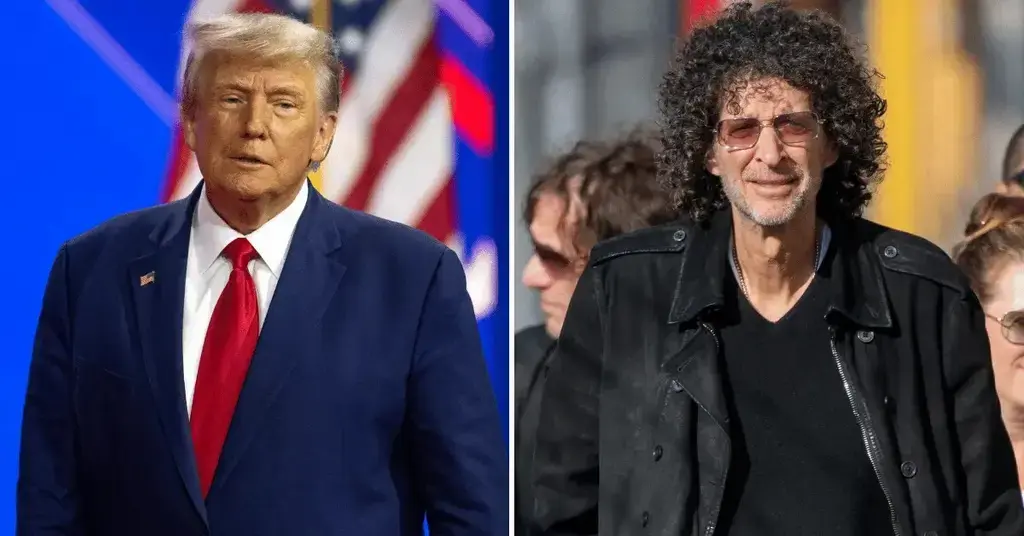
Stern emphasized that Trump’s appeal was built on saying what others would not, often ignoring social or political guardrails. That same lack of restraint, Stern suggested, helped Trump dominate media attention during his rise but now creates constant friction with democratic norms and institutional scrutiny. What once entertained listeners as outrageous humor now carries different weight when examined through the lens of presidential authority and accountability.
The situation escalated when late-night television became entangled in the fallout. Jimmy Kimmel emerged as a focal point after criticizing Trump’s repeated attacks on journalists and entertainers. When Kimmel’s show faced suspension pressure amid regulatory threats, the controversy shifted from personal grievances to a broader debate over political influence on broadcast media and the limits of government power over speech.
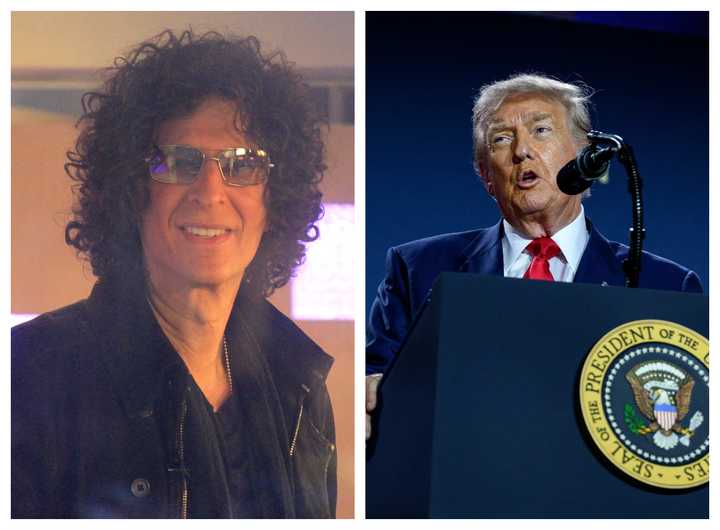
Trump reacted publicly and aggressively, celebrating the suspension and mocking multiple late-night hosts by name. Supporters framed his response as a pushback against hostile media, while critics warned it set a dangerous precedent by signaling consequences for satire and criticism. The episode blurred the lines between political retaliation, corporate caution, and regulatory authority, intensifying fears across the entertainment industry.
After days of silence, Stern returned to the air with a pointed defense of free expression, arguing that the issue had outgrown individual personalities. He warned that when political leaders openly cheer the silencing of critics, it chills not just comedy but journalism itself. His comments resonated widely, especially among media figures who privately acknowledged similar concerns but remained hesitant to speak publicly.
By week’s end, the clash had become symbolic of a larger struggle in American public life. The confrontation between Trump, Stern, and Kimmel highlighted how entertainment platforms have become arenas for political conflict, where speech, power, and regulation collide in real time. What began as old radio jokes resurfacing on live TV ultimately reignited a national conversation about free expression, political pressure, and the cost of speaking out in a polarized era.






