Senator Chris Murphy’s Fiery Stand: A Call for Accountability in a Fractured Political Landscape
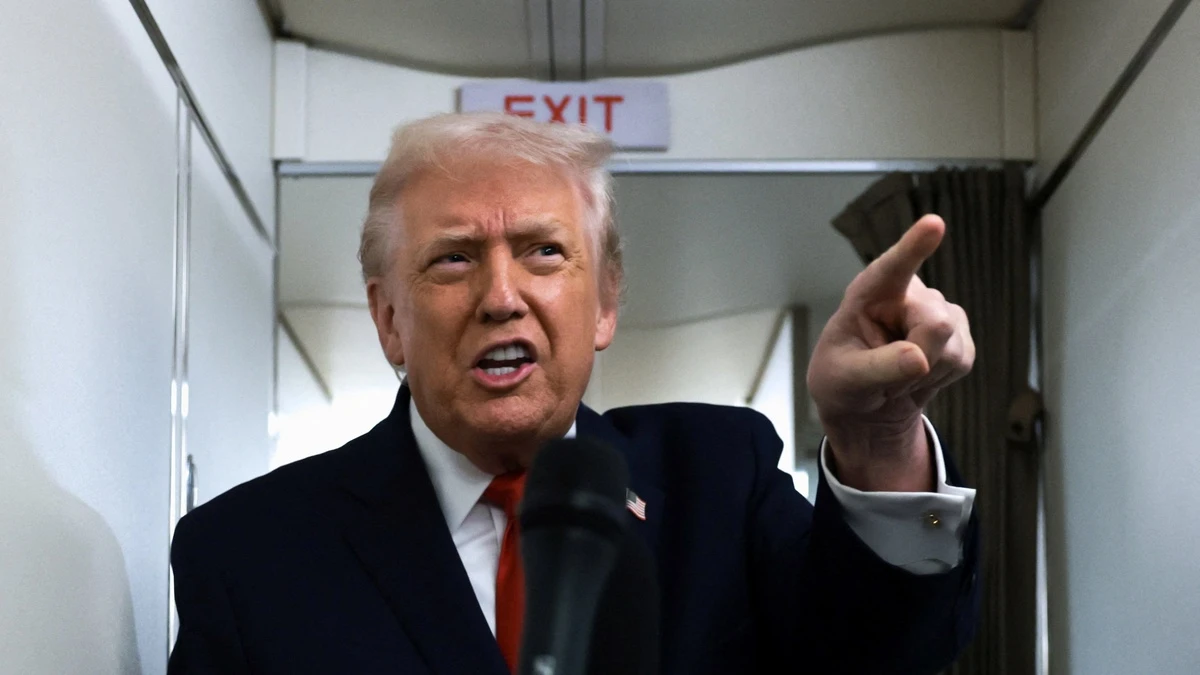
In the corridors of power in Washington, where partisan battles often overshadow shared principles, Senator Chris Murphy of Connecticut has emerged as a vocal defender of democratic norms. His recent statements, decrying what he sees as a dangerous erosion of the rule of law under former President Donald Trump’s influence, have ignited debates about accountability, corruption, and the future of American governance. Murphy’s words, delivered with the urgency of a statesman witnessing a pivotal moment, underscore a broader narrative of political reckoning that resonates far beyond the Senate floor.
The Context of Murphy’s Critique
Senator Chris Murphy, a Democrat serving since 2013, has built a reputation as a progressive voice on issues ranging from gun control to foreign policy. His latest salvo comes amid ongoing controversies surrounding Trump’s post-presidency actions and the Republican Party’s response—or lack thereof—to allegations of misconduct. In a statement that has circulated widely on social media and news outlets, Murphy asserted: “Republicans are not willing to do anything, so for now, Trump and his friends will get away with their crimes. But the rule of law is COMING BACK. When it does, everyone who has traded government favors for cash are going to JAIL.” This pronouncement reflects a culmination of frustrations over what Democrats perceive as unchecked abuses of power.
The backdrop to Murphy’s comments is a series of events that have tested the boundaries of executive authority. In early 2026, reports emerged of attempts by the Justice Department, under pressure from Trump allies, to indict Democratic lawmakers for their outspoken criticism of the administration’s policies. These efforts, which included failed grand jury proceedings against Senators like Mark Kelly and Elissa Slotkin, were framed by Murphy as direct assaults on free speech and democratic institutions. “It doesn’t really matter that the grand jury refused to indict,” Murphy warned in a Senate floor speech, “because if they continue to come back over and over again for an indictment, they will likely find at some point, some compliant grand jury, and we will find our colleagues headed to jail simply for exercising their free speech.”
This episode harks back to broader concerns about Trump’s tenure and its aftermath. During his presidency, Trump frequently positioned himself as a champion of “law and order,” yet critics like Murphy argue that his actions—ranging from immigration crackdowns to alleged attempts to influence investigations—undermined those very principles. In a 2025 speech, Murphy condemned Trump for “throwing law and order out the window,” highlighting instances where federal authority was wielded against political opponents.
Reactions from Across the Aisle
Murphy’s call for a return to the rule of law has elicited mixed responses. Among Democrats, it has been met with solidarity. Senate Democratic Leader Chuck Schumer echoed Murphy’s sentiments, describing the indictment attempts as a “broader free speech threat” and warning that if unchecked, such actions could erode the First Amendment. Other Democratic senators, including Kelly himself, have framed the situation as an effort by “Trump and his cronies” to silence dissent.
On the Republican side, the silence Murphy decries has been palpable. Few GOP senators have publicly condemned the actions, leading Murphy to accuse them of enabling a path toward authoritarianism. In one impassioned address, he urged his colleagues: “We could very easily decide this week that it is not acceptable for the President of the United States to attempt to throw into jail his political opponents in the Senate and in the House.” This plea for bipartisanship highlights Murphy’s belief that protecting democracy should transcend party lines, a theme he reiterated in calls for Republicans to join Democrats in safeguarding institutional integrity.
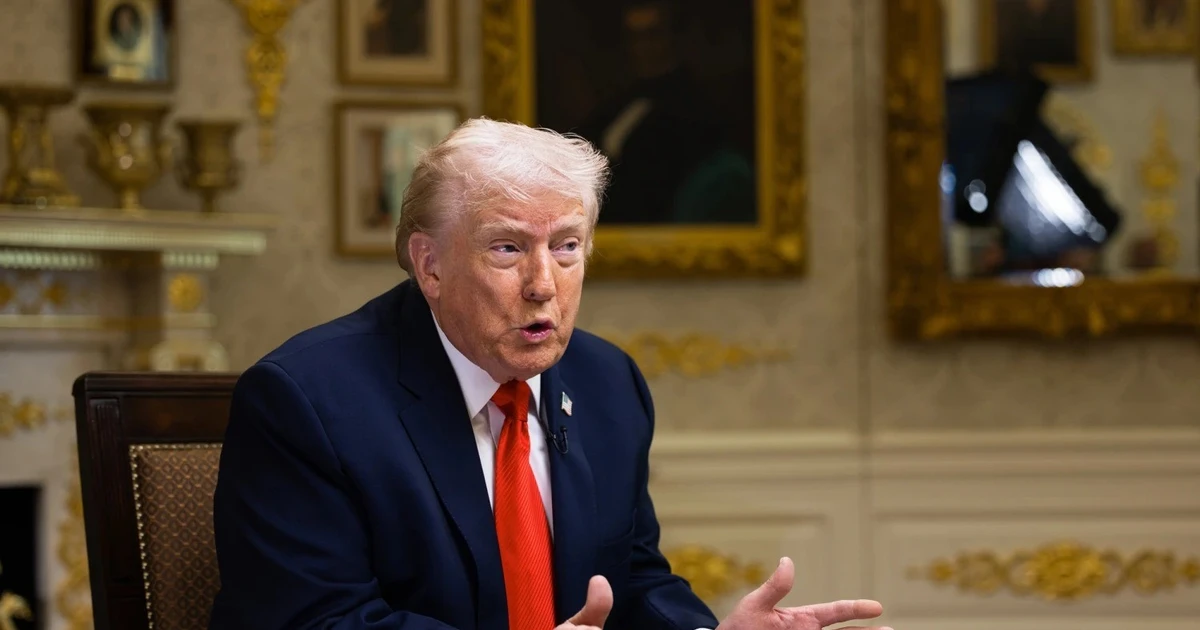
Public reaction, as seen on platforms like Facebook and Threads, varies. Supporters praise Murphy’s resolve, with comments like “Can’t wait to see rule of law return. The craziness has to end.” Skeptics, however, dismiss it as partisan rhetoric, with one Threads user responding, “LOL OK Chris.” These divisions mirror the polarized state of American politics in 2026.
Implications for American Democracy
Murphy’s statements go beyond immediate political skirmishes, touching on deeper questions about corruption and accountability. He specifically targets those who “traded government favors for cash,” alluding to ongoing investigations into influence-peddling and conflicts of interest involving Trump associates. This rhetoric aligns with broader Democratic efforts to restore oversight mechanisms weakened during the Trump era.
Experts suggest that Murphy’s warnings could foreshadow a shift if Democrats regain control in future elections. “This is a test for the Senate that could break this institution permanently,” Murphy stated, emphasizing the fragility of democratic norms. In interviews, he has linked these issues to other Trump-era policies, such as immigration enforcement, where he criticized the president for violating laws to “throw people in jail who have pending asylum claims.”
As a public figure, Murphy’s profile has risen through such confrontations. His YouTube speeches, including one titled “Sen. Murphy: Republicans Destroy Rule of Law So Trump Family Can Rule Forever,” have garnered significant views, positioning him as a key player in the resistance narrative. Yet, his approach remains grounded in institutional reform rather than personal vendettas, advocating for bipartisan stands against abuse of power.
Murphy’s Broader Legacy
Looking ahead, Senator Chris Murphy’s advocacy for the rule of law may define his legacy in an era marked by upheaval. From his early days pushing for mental health reform to his current role as a bulwark against perceived authoritarian tendencies, Murphy embodies the archetype of the principled legislator. His warnings about jail time for corrupt actors serve as a stark reminder that, in his view, no one is above the law—not even those who once held the highest office.
In a nation grappling with its democratic foundations, Murphy’s voice adds to the chorus calling for renewal. Whether his predictions come to pass remains uncertain, but his commitment to accountability continues to shape the discourse in Washington and beyond. As the political landscape evolves, figures like Murphy remind us of the enduring struggle to uphold justice in the face of division.






