Trump Faces Polling Slide as Epstein Document Dispute Intensifies
Former President Donald Trump is confronting a new political challenge: declining approval ratings coinciding with renewed controversy over the release of documents connected to Jeffrey Epstein.
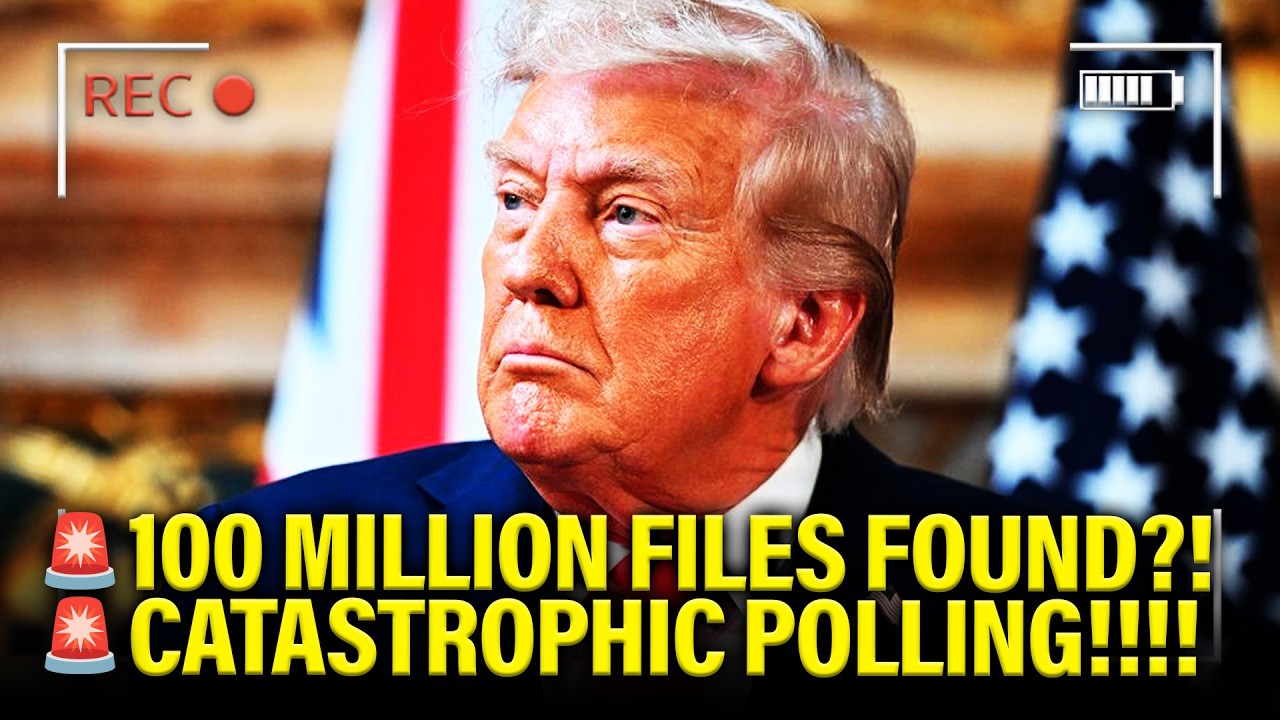
According to multiple national surveys released this week, Trump’s net approval rating has fallen to some of its lowest levels of his second term. Polls from AP-NORC, NBC, Quinnipiac, and Yahoo/YouGov show him between 19 and 26 points underwater — numbers that analysts say are driven largely by losses among independent voters.
Data analyst Harry Enten noted that Trump is currently polling worse at this stage of his term than he was during a comparable period in his first term, and below where President Joe Biden stood at a similar point in his presidency.
The sharpest erosion appears among independents, where some surveys show Trump nearly 30 points underwater — a red flag for any party heading toward midterm elections.
The Epstein Files Controversy
The political slide comes amid fresh scrutiny over the federal government’s handling of Epstein-related records.
A recent report from the United Kingdom’s Channel 4 News cited emails between investigators suggesting that federal authorities processed between 20 and 50 terabytes of data seized during the Epstein investigation. That volume, if accurate, would represent a vast digital archive.
Critics argue that only a fraction of that material has been publicly released so far. The Department of Justice maintains it has complied with applicable legal standards and court restrictions.
Legal experts note that grand jury secrecy rules, privacy protections for victims, and evidentiary standards often limit what can be disclosed publicly.
Still, the perception gap appears to be fueling political backlash, particularly among voters who had expected full transparency.
Economic Headwinds
At the same time, economic anxieties are resurfacing in polling data.
Although headline stock numbers fluctuate daily, surveys show voters increasingly concerned about cost of living, consumer debt, and long-term economic stability. Political scientists frequently point out that presidential approval ratings correlate more closely with voter perceptions of personal economic security than with market indexes alone.
When economic unease combines with transparency controversies, it can create compounding political pressure.
Legal and Institutional Pushback
Adding to the broader climate of turbulence, federal courts continue to scrutinize administration actions in unrelated policy areas.
In one recent ruling, a federal judge referenced George Orwell’s 1984 while rejecting an administrative decision tied to historical interpretation at a federally managed site — a symbolic moment that underscored tensions between the judiciary and executive branch.
While not directly related to the Epstein files, such rulings contribute to the perception of ongoing institutional conflict.
Political Implications
Historically, presidents who lose significant ground among independents face serious midterm consequences.
Political strategists note three key factors that will determine whether this polling dip becomes durable:
-
Whether additional Epstein-related disclosures occur
-
Whether economic sentiment improves
-
Whether partisan voters consolidate or fracture
For now, the numbers show movement — and in politics, momentum often matters as much as magnitude.
Trump has repeatedly dismissed negative polling as biased and argues that his base remains energized.
Whether the current dip represents a temporary fluctuation or the start of a longer-term trend remains to be seen.
One thing is clear: the convergence of document disputes and economic dissatisfaction has created a volatile moment — and voters are watching closely.






