High-level trade discussions between the United States and Canada ended unexpectedly this week after disagreements over proposed tariffs and regulatory changes escalated within minutes of the meeting’s start. What had been described in advance as a routine round of negotiations instead concluded abruptly, sending ripples through financial markets and renewing concerns about the durability of cross-border economic cooperation.
According to sources familiar with the talks, former President Donald Trump — who remains a central voice in U.S. trade policy discussions — introduced a sweeping tariff framework at the outset of the meeting. The proposal reportedly called for significant revisions to dairy import quotas, stricter rules governing electric vehicle manufacturing supply chains, and the creation of a new border security fee targeting commercial trucks entering the United States from Canada.
Canadian officials, caught off guard by the breadth of the proposals, pushed back almost immediately. Representatives from Global Affairs Canada emphasized that existing trade arrangements already provide structured mechanisms for resolving disputes and warned that unilateral tariff measures could violate standing agreements.
The tense exchange reportedly led to a swift breakdown in discussions. While neither side issued a detailed public statement outlining the specifics of the disagreement, both acknowledged that talks had concluded earlier than scheduled. Observers described the atmosphere as “strained” and “unexpectedly confrontational,” particularly given the deep economic integration between the two countries.
The United States and Canada share one of the world’s largest bilateral trading relationships, anchored by the United States–Mexico–Canada Agreement (USMCA). The agreement, which replaced NAFTA in 2020, established updated frameworks for automotive production standards, dairy market access, labor protections, and dispute resolution procedures. Analysts note that reopening or revising core provisions outside the established review process can introduce significant uncertainty for businesses on both sides of the border.
Financial markets reacted cautiously following reports of the abrupt ending. Major stock indexes saw modest volatility, while currency traders closely monitored fluctuations in the Canadian dollar. Automotive manufacturers and agricultural exporters — two sectors particularly sensitive to tariff policy — were among the most closely watched industries as investors assessed potential impacts.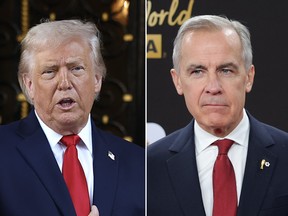
The proposed changes to electric vehicle manufacturing rules were especially notable. With North America increasingly focused on strengthening domestic supply chains for battery components and critical minerals, any shift in cross-border production requirements could alter investment strategies. Both U.S. and Canadian automakers have made substantial commitments under existing USMCA guidelines, and sudden regulatory adjustments may complicate long-term planning.
The suggested border security fee on commercial trucks also drew attention from logistics experts. Cross-border trucking accounts for a substantial share of goods movement between the two nations, including agricultural products, auto parts, and consumer goods. Even modest increases in transportation costs can ripple through supply chains, potentially affecting prices for businesses and consumers alike.
Political analysts say the episode underscores how trade negotiations remain closely intertwined with domestic political dynamics. While trade policy has historically enjoyed bipartisan support when framed around economic growth and job creation, tariff measures often generate debate about their broader economic consequences.
Despite the abrupt ending, experts emphasize that diplomatic channels remain open. Trade disputes between the United States and Canada have occurred before — particularly over dairy, lumber, and automotive standards — yet both governments have typically sought negotiated solutions through formal dispute resolution processes.
For now, business leaders and policymakers alike are watching closely. Whether the latest confrontation marks a temporary setback or the beginning of a broader recalibration of North American trade policy may depend on how quickly both sides return to the negotiating table. What is clear is that even long-standing allies are not immune to friction when economic priorities collide.






