Trump Threatens Legal Action After Grammy Joke, Raising Questions About Free Speech and Defamation Law
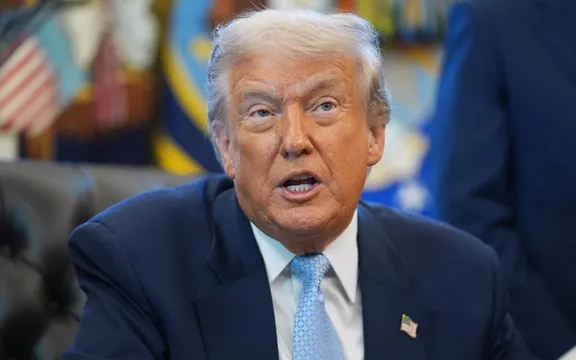
Former President Donald Trump is once again weighing legal action over a joke — this time aimed at Grammy Awards host Trevor Noah. Following the televised ceremony, Trump took to social media to criticize the broadcast as “unwatchable” and to suggest he may pursue a defamation lawsuit over remarks made during Noah’s monologue.
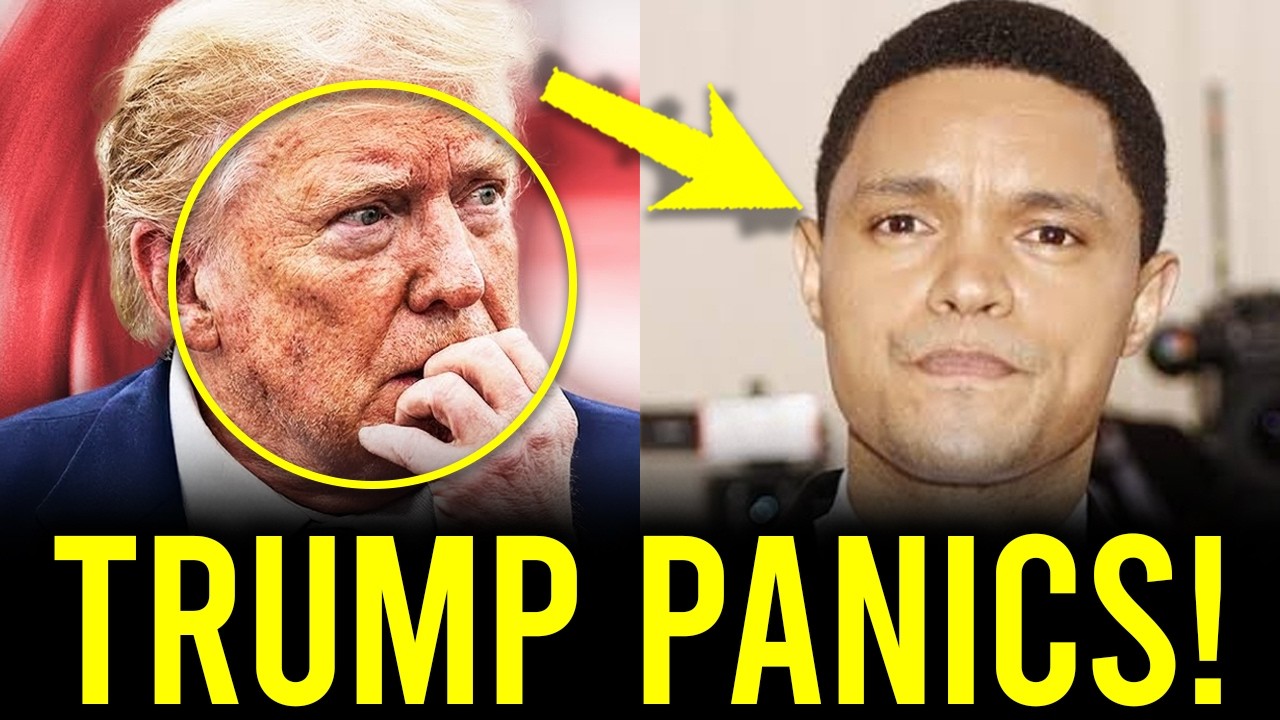
The joke in question referenced Trump’s past public association with Jeffrey Epstein in the 1990s and made a satirical comparison between Trump’s reported interest in acquiring Greenland and the now-defunct private island once owned by Epstein. Noah quipped that with Epstein’s island “gone,” perhaps Trump was looking for a new one — a line delivered in the context of a broader comedic bit about political ambition and legacy.
Importantly, Noah did not state as fact that Trump had visited Epstein’s island. Rather, the comment was structured as a comedic inference, a hallmark of late-night satire. Nonetheless, Trump characterized the joke as defamatory and floated the possibility of legal action.
Legal experts note that for a defamation claim to succeed — particularly for a public figure — several high thresholds must be met. First, the plaintiff must show that a false statement of fact, not opinion or satire, was made. Second, the statement must be published to a third party. Third, there must be fault amounting to at least negligence — and for public officials or public figures like Trump, the standard is even higher. Under the landmark Supreme Court case New York Times v. Sullivan, the plaintiff must prove “actual malice,” meaning the statement was made with knowledge of falsity or reckless disregard for the truth.
Comedy, courts have repeatedly held, enjoys broad First Amendment protections. Satirical commentary, exaggeration, and rhetorical hyperbole are generally not considered statements of fact. In cases involving comedians and political figures, judges often examine whether a reasonable viewer would interpret the remark as literal assertion or obvious parody.
“If you’re dealing with a joke told during a live awards show monologue, that context matters enormously,” said one constitutional law scholar. “Defamation requires a provably false statement of fact. Satire doesn’t usually qualify.”
Trump would also need to demonstrate measurable harm — either reputational damage or financial loss — directly caused by the joke. That element may prove challenging. Trump’s public profile has long included intense scrutiny over his past associations, including his previously acknowledged social interactions with Epstein decades ago before distancing himself. Whether a single joke materially altered public perception would likely be central to any legal battle.
There is also the practical dimension. If a lawsuit were filed, it would open the door to discovery — the pre-trial phase in which both sides exchange evidence and conduct depositions under oath. For a defamation plaintiff, that means answering detailed questions about the alleged harm and potentially revisiting the very topics at issue.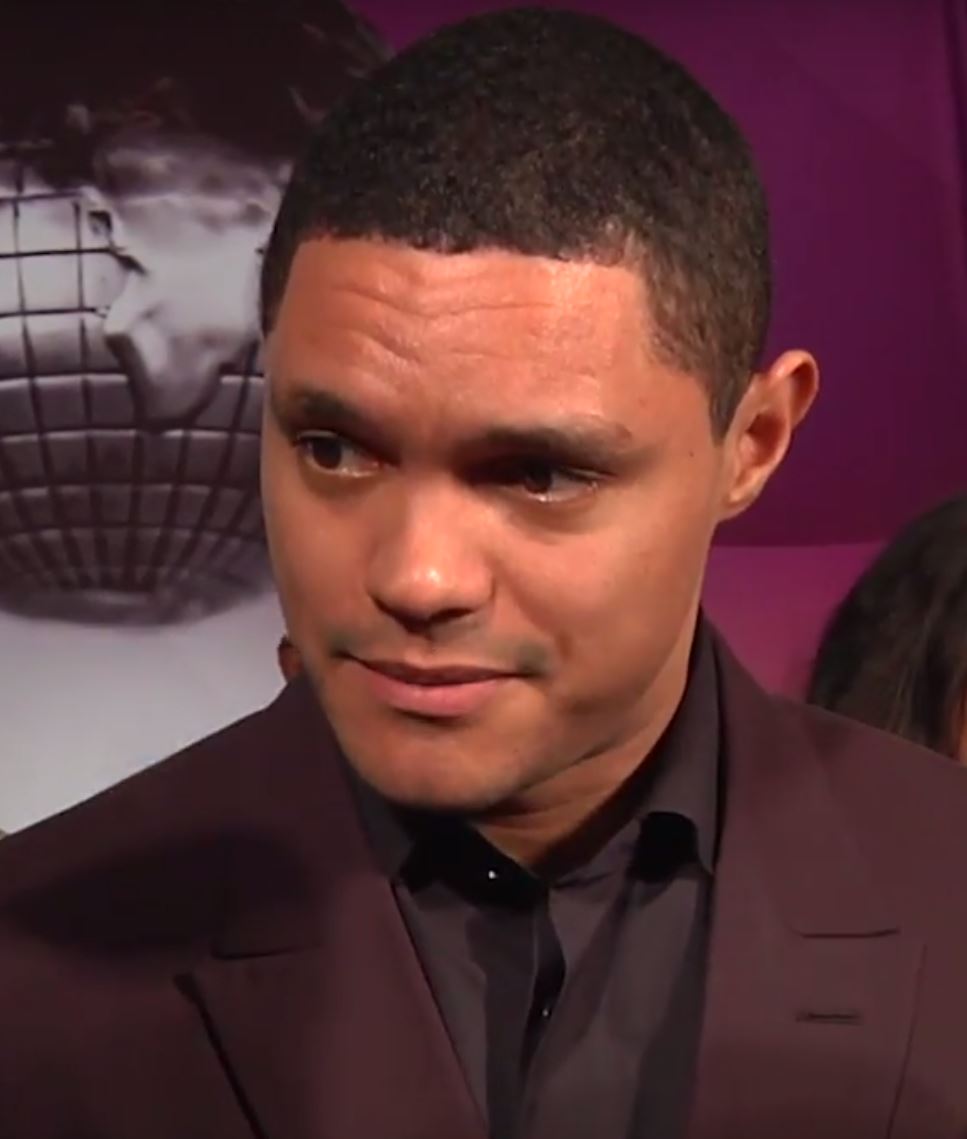
Observers note that Trump has a history of threatening or filing lawsuits in response to public criticism. In recent years, some high-profile civil claims he brought were dismissed, and in at least one instance he was ordered to pay legal fees after a judge deemed a case meritless. That track record could influence how courts view future filings, particularly if a judge perceives a pattern of litigation aimed at chilling speech.
Another open question is whether any potential lawsuit would target only Noah personally or also include the network that broadcast the program. In defamation law, media entities can be named as defendants, though they are equally shielded by constitutional protections.
For now, no lawsuit has been filed. The episode instead underscores the recurring collision between politics and entertainment in modern America. Late-night comedy routinely features political satire, and political figures frequently respond in kind — sometimes with outrage, sometimes with litigation.
In the broader cultural landscape, the moment illustrates how references to the Epstein scandal remain combustible territory. Investigations and document releases have fueled public debate, and political figures across the spectrum have faced renewed questions about past associations. That environment makes jokes referencing the subject especially sensitive.
Whether Trump ultimately follows through on his legal threat remains uncertain. If he does, the case would test not only the boundaries of defamation law but also the resilience of satire in a polarized era.
For now, the exchange stands as another flashpoint in a political climate where even a punchline can prompt talk of courtrooms.






