TRUMP ERUPTS AFTER JIMMY KIMMEL DESTROYED JD VANCE ON LIVE TV
A late-night monologue ignited a political firestorm after Jimmy Kimmel Live! aired a blistering segment dissecting the unraveling relationship between Donald Trump and his vice president, JD Vance. What began as satire quickly escalated into a full-scale online meltdown, with Trump lashing out just hours after Kimmel highlighted a moment that stunned even longtime observers of Trump-era politics.
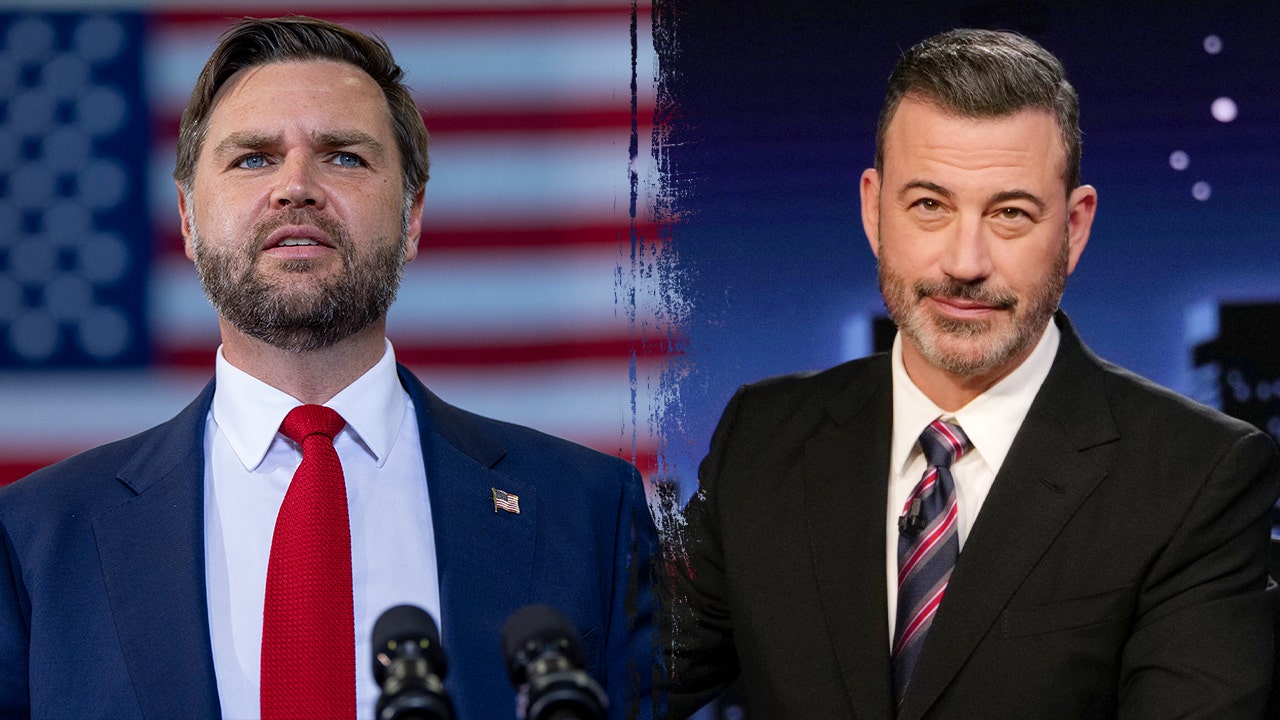
The spark was deceptively simple. In a post–Super Bowl interview, Trump was asked whether he viewed JD Vance as his successor. Instead of offering reassurance, Trump answered flatly: no, adding only that Vance was “very capable.” Kimmel seized on the clip, letting it play in full before delivering the kind of pause that late-night audiences recognize as lethal. The silence said more than commentary ever could, and the studio reaction confirmed it instantly.
Kimmel framed the moment as a public rejection, not a slip of the tongue. He explained that the core function of a vice president is succession, and stripping that away on national television is political humiliation at its purest. With sharp timing, he compared the exchange to a public breakup, drawing laughter that carried an unmistakable edge. The joke wasn’t about ideology; it was about power, loyalty, and the cost of tying one’s future to Trump.
What followed was entirely predictable. Trump erupted online, firing off Truth Social posts attacking Kimmel’s ratings, credibility, and motives. Rather than addressing the substance of the segment, Trump’s responses amplified it, pulling millions more into the story. Screenshots spread across platforms within minutes, transforming Kimmel’s monologue into a trending political moment.
JD Vance’s position only grew more uncomfortable as Kimmel continued. The show revisited months of clips showing Vance defending Trump, dismissing criticism, and downplaying attacks on the media. Against that backdrop, Trump’s blunt dismissal felt devastating. Kimmel underscored the imbalance: years of loyalty answered with a single word, “no.” The audience reaction was laughter mixed with disbelief.
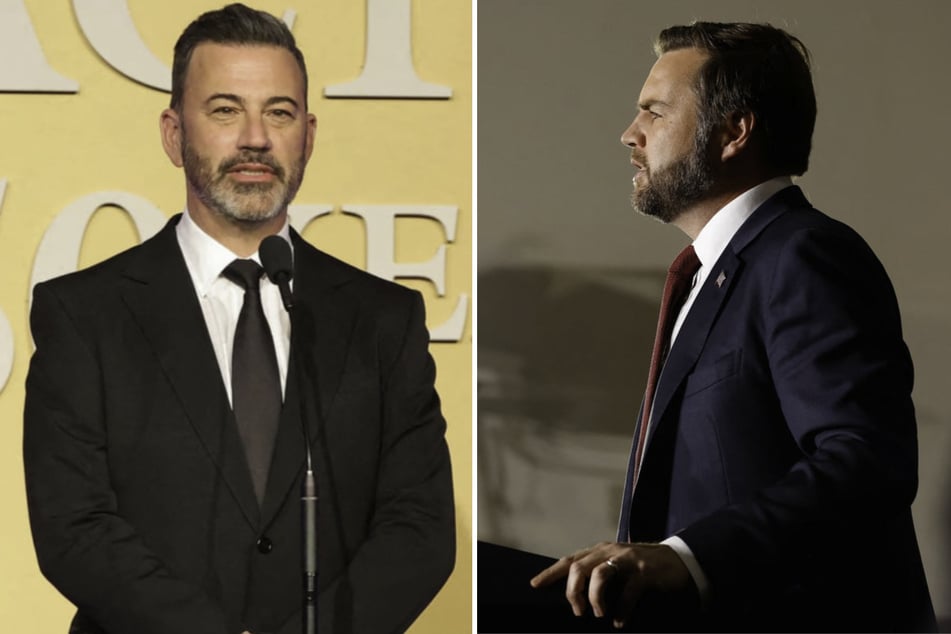
The segment went beyond mockery by tracing a broader pattern. Kimmel connected Trump’s rejection of Vance to his habit of discarding allies the moment they cease to be useful. Former advisers, cabinet members, and political partners were all referenced indirectly, painting Vance as the latest example rather than an exception. The comedy worked because it aligned with a history viewers already recognized.
As the clip circulated, media outlets and commentators framed Trump’s reaction as confirmation rather than contradiction. Each angry post reinforced Kimmel’s point, turning outrage into evidence. In the attention economy, restraint can blunt satire, but fury supercharges it. By midnight, the monologue had reached millions, while Trump’s posts ensured it stayed there.
By the end of the news cycle, the narrative was locked in. Jimmy Kimmel had exposed a crack in the Trump–Vance alliance, Trump had responded with a familiar digital tantrum, and JD Vance was left visibly diminished without saying a word. It was more than a comedy bit. It was a demonstration of how humor, timing, and a single unguarded answer can reshape political perception in real time.






