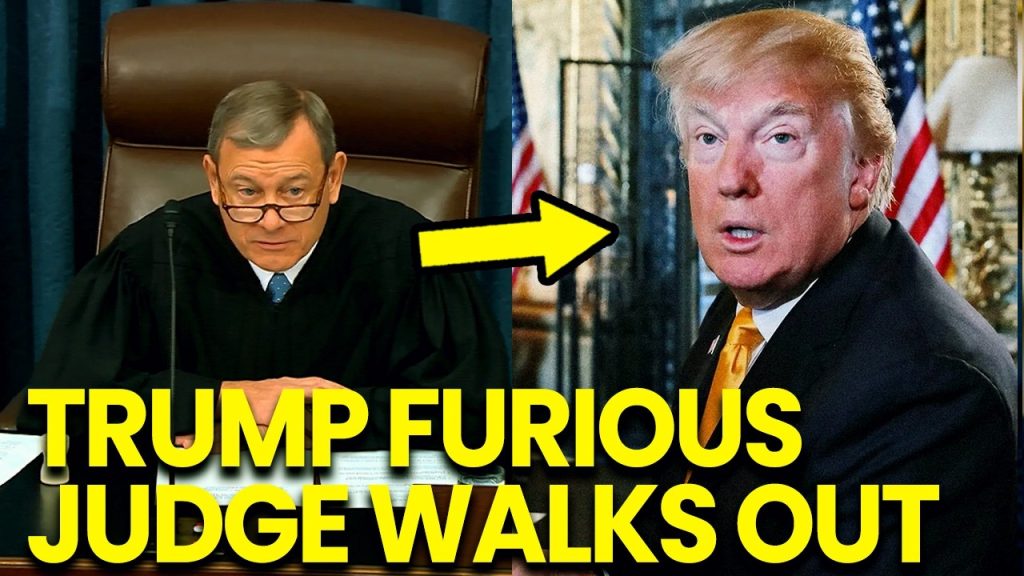
In Civil Fraud Trial, Trump Clashes With Judge as Courtroom Tensions Escalate
NEW YORK — The final days of former President Donald J. Trump’s civil fraud trial in Manhattan unfolded with a moment of visible tension that underscored the high stakes — and the fragile decorum — surrounding the proceedings.
During closing arguments in the case brought by New York’s attorney general, Mr. Trump was granted permission to address the court directly, an unusual accommodation for a defendant represented by counsel. The presiding judge, Arthur F. Engoron, had agreed to the request with conditions: Mr. Trump was to confine his remarks to the legal and factual issues at hand and refrain from personal attacks or political commentary.
What followed departed from that framework.
According to accounts from reporters in the courtroom and transcripts of the exchange, Mr. Trump began by criticizing the lawsuit as politically motivated and reiterated claims that the case constituted a “witch hunt.” He went on to question the impartiality of the proceedings and criticized Attorney General Letitia James, who brought the case, as well as the court itself.
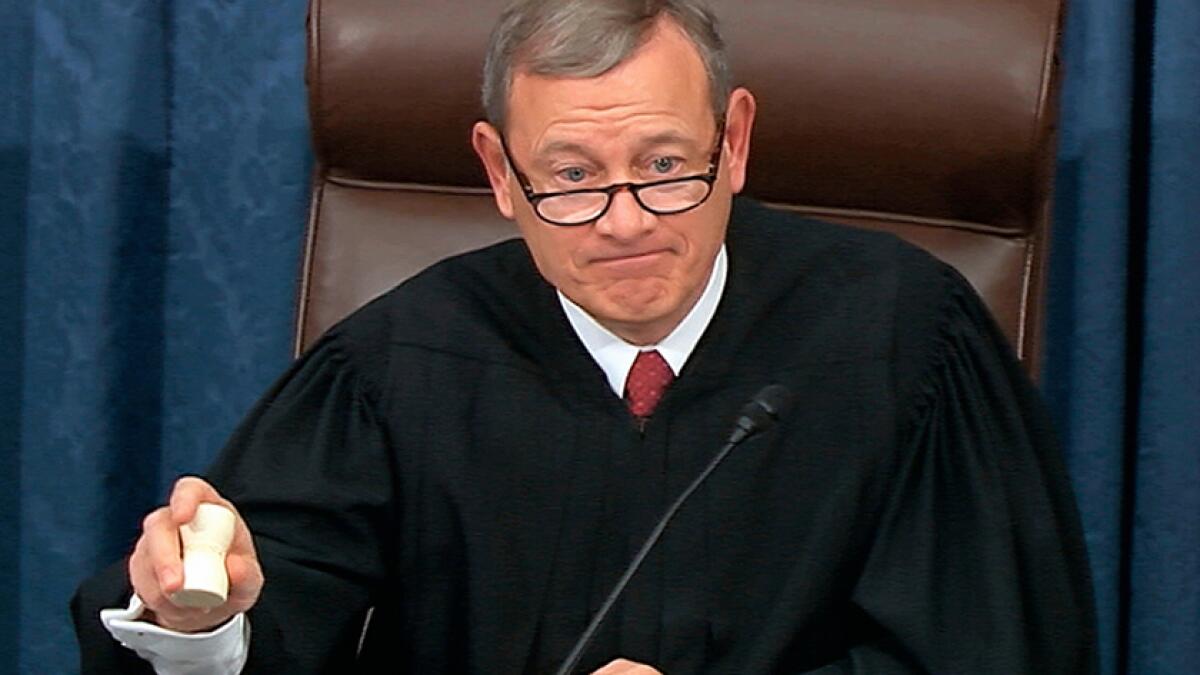
Judge Engoron intervened more than once, reminding Mr. Trump of the agreed-upon limits. When the remarks continued in a similar vein, the judge recessed the court for lunch, effectively cutting short the defendant’s statement. He left the bench as Mr. Trump was still speaking.
There was no formal sanction issued at that moment, nor was there an immediate finding of contempt. Court officials characterized the recess as a procedural decision within the judge’s discretion to maintain order and manage time. Still, the visual — a former president speaking as the judge adjourned the session — reverberated beyond the courtroom.
The civil fraud case centers on allegations that Mr. Trump and his company inflated asset valuations to secure favorable loan and insurance terms. The attorney general’s office has argued that financial statements overstated the value of properties and misrepresented net worth figures over a period of years. Mr. Trump has denied wrongdoing, asserting that valuations were subjective and that lenders conducted their own due diligence.
Closing arguments marked a pivotal stage. While defendants in civil trials do not typically deliver extended personal statements, Mr. Trump has repeatedly sought to frame the proceedings as part of a broader political campaign against him. His legal team, aware of prior courtroom tensions, had negotiated the opportunity for him to speak under specified parameters.
Observers noted that the exchange reflected a recurring dynamic in Mr. Trump’s legal battles: the intersection of courtroom protocol and a political communication style honed over decades in rallies and media appearances. In court, however, authority rests unequivocally with the judge.
This is not the first time Mr. Trump’s conduct in legal proceedings has drawn judicial scrutiny. In a separate Manhattan criminal case involving hush-money payments, the presiding judge, Juan M. Merchan, found Mr. Trump in contempt multiple times for violating a gag order restricting public statements about witnesses and court staff. Those violations resulted in fines and a warning that further infractions could carry more severe consequences.
Legal analysts say that judges possess broad discretion to enforce decorum, including the ability to limit remarks, hold parties in contempt, or, in extreme circumstances, order removal from the courtroom. In this instance, Judge Engoron chose a narrower path — ending the session rather than escalating the matter immediately.
Still, the episode may carry implications beyond optics. Trials, particularly high-profile ones, unfold before multiple audiences: the court itself, potential jurors in related proceedings, appellate courts reviewing records and a broader public evaluating leadership and temperament. Public behavior in court can influence perception, even if it does not alter the substantive legal analysis.

For Mr. Trump, who is confronting multiple legal challenges across jurisdictions, courtroom strategy presents a balancing act. His political base often responds favorably to confrontational rhetoric and portrayals of institutional bias. Legal strategy, by contrast, typically rewards restraint, focus and adherence to procedural norms.
That tension was visible as closing arguments drew to a close. After the recess was called, Mr. Trump left the courtroom without further comment. His legal team later continued their arguments in accordance with standard practice.
The broader question is whether such exchanges affect the trajectory of the case. On the merits, the judge’s decision will hinge on documentary evidence, testimony and statutory interpretation, not on the tone of a single exchange. Civil fraud determinations are grounded in financial records and legal standards that operate independently of political messaging.
Yet symbolism in high-profile litigation is rarely neutral. A judge asserting control over proceedings reinforces the principle that courtroom authority does not shift based on public stature. Conversely, a defendant challenging that authority highlights the friction between legal institutions and political narratives.
As the case approaches resolution, the moment serves as a reminder that even brief procedural decisions can capture national attention when they involve a former president. Whether it becomes a footnote or a defining image will depend less on the recess itself than on the rulings that follow. ⚖️






